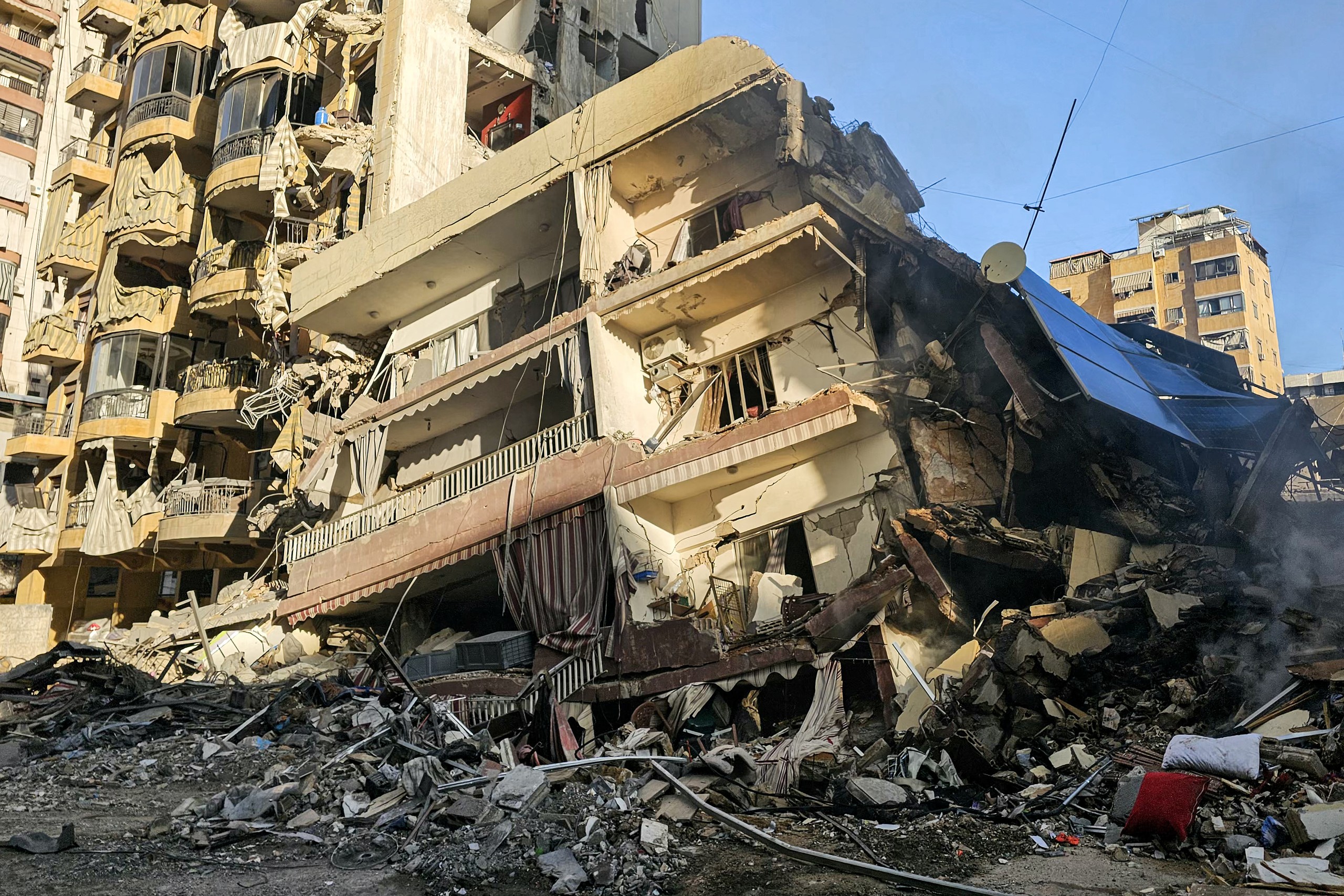
Oil prices tumbled more than 2% on Friday after Israeli Prime Minister Benjamin Netanyahu said the war with Iran could end sooner than expected, providing temporary relief to jittery global markets grappling with the economic fallout from escalating Middle East conflict.
Traders also welcomed remarks from US President Donald Trump that Israeli forces would not target any more of Tehran’s energy infrastructure. Both main oil contracts fell, though Brent crude remains at about $105 per barrel and West Texas Intermediate at about $93. On Thursday, Brent jumped nearly 6% to hit $119 before falling back to around $109.
Gold and silver prices shed more than 6% and 13% respectively, as rising inflation fears dampened expectations for near-term interest rate cuts.
The price volatility comes as Qatar reported extensive damage Thursday to the world’s largest liquefied natural gas facility following Iranian strikes, sparking fears for global energy supplies. Qatar’s energy minister said the damage from the attacks slashed the site’s export capacity by 17% and would take years to repair.
Qatar is one of the world’s biggest LNG producers, alongside the United States, Australia and Russia. Two Kuwaiti oil refineries were also hit, as well as the Saudi oil refinery Samref in the industrial zone of the Red Sea port of Yanbu.
French President Emmanuel Macron said his country planned to talk with permanent members of the UN Security Council about establishing a UN framework to secure navigation in the Strait of Hormuz once the ongoing exchange of fire had ended.
“We have initiated an exploratory process, and we will see in the coming days whether it stands a chance of succeeding,” he told reporters in Brussels following a European summit.
The UN’s maritime body called for the creation of a safe shipping corridor in the Gulf to evacuate stranded vessels and seafarers, after an emergency meeting that also condemned Iran. Following two days of urgent talks in London, the International Maritime Organization said the safe maritime corridor should be established as a provisional and urgent measure.
Six Western allies, including Britain, France, Germany and Japan, earlier stated they were ready to contribute to appropriate efforts to ensure safe passage through the Strait of Hormuz. Paris, Rome and Berlin later stressed any initiative would take place only after a ceasefire was reached.
The European Central Bank cut its growth forecast and raised inflation forecasts for this year as it warned of the energy price shock from the Middle East war. ECB staff now see eurozone GDP growth reduced to 0.9% in 2026, and raised inflation projections to 2.6% for the year.
Germany is considering the introduction of a windfall tax on hefty energy-sector profits after oil prices surged due to the Middle East war, a finance ministry source said. Finance Minister Lars Klingbeil is mulling the introduction of a special tax to skim off excessive crisis profits earned from high energy prices, the ministry source said.
US Treasury Secretary Scott Bessent said Washington might ease sanctions on Iranian oil that is already being shipped to help calm oil prices. In comments to Fox Business, Bessent also said the US government could release more oil from its strategic reserves.
The United States announced the approval of $16.46 billion in military sales to the United Arab Emirates and Kuwait, which have been hit hard by fallout from the Iran war.
The war has severely disrupted air traffic over Gulf countries, which have carved out a niche as a stopover for long flights between the United States, Europe, Asia and Oceania. Many European travellers have found themselves stranded in Asia, unable to pass through the key hubs of Dubai, Doha or Abu Dhabi, the respective headquarters of Emirates, Qatar Airways and Etihad.
“It is a bit of a wake-up call to show how dependent the European continent is on Gulf carriers,” the chief executive of Air France-KLM, Benjamin Smith, told a press conference of the Airlines for Europe association.