With less than two weeks until Eskom’s 31 March deadline for solar registration, confusion over conflicting compliance requirements has left homeowners uncertain about their obligations.
The Organisation Undoing Tax Abuse (OUTA) has challenged what it calls regulatory overreach by Eskom Distribution and some municipal electricity distributors, saying households are being forced into duplicate compliance processes that go beyond existing national safety standards.
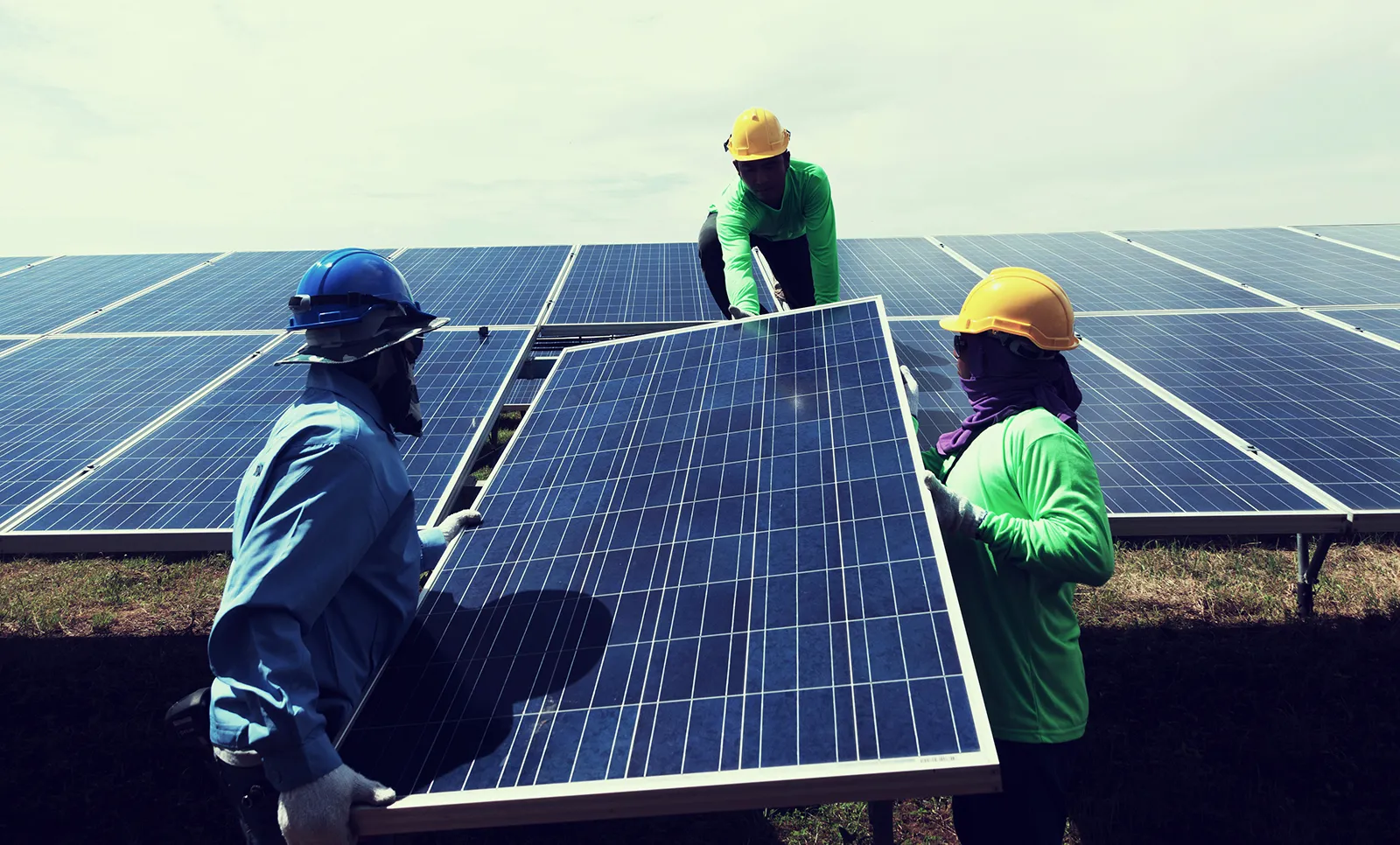
The deadline applies to residential solar photovoltaic and battery energy storage systems installed behind the electricity meter on private property. However, uptake has been minimal, not due to unwillingness to comply, but because of unclear and inconsistent rules, according to OUTA.
Wayne Duvenage, chief executive of OUTA, said households are being asked to comply twice for the same system.
“That is not regulation. That is overreach,” Duvenage said.
He said South Africa already has a clear legal framework for electrical installations, which requires systems to meet safety and technical standards and be certified through a valid Certificate of Compliance issued by a registered electrical contractor.
“Eskom cannot rewrite the rules because it suits them. The law is clear, and it must be applied consistently,” Duvenage said.
The organisation said Eskom and some municipalities are applying fragmented and inconsistent rules, resulting in confusion, rising compliance costs, and growing resistance from households attempting to comply lawfully.
OUTA supports proper safety oversight but disputes what it describes as regulatory overreach at a time when South Africans are investing their own money to secure energy supply and reduce pressure on the grid.
The organisation has published detailed guidance for homeowners, advising them to use accredited installers and ensure their systems have a valid Certificate of Compliance issued by a registered electrician recognised by the Department of Employment and Labour.
OUTA’s position is that if a system does not feed electricity back into the grid, or the homeowner does not want compensation for exported energy, and the system has a valid Certificate of Compliance, the homeowner may choose to forgo Eskom or municipal registration processes that fall outside national legal requirements.
Where a system both imports from and exports electricity into the grid, and the homeowner wants to be compensated for exported energy, registration with the electricity provider is required.
OUTA said law-abiding homeowners with valid Certificates of Compliance who receive formal disconnection notices should challenge the action and seek legal advice to oppose any enforcement not supported by law.
The organisation said the solution to the registration confusion is not more red tape, but consistent, lawful, and technically sound regulation that supports safe installation, protects consumers, and enables households to secure their own energy supply.
ALSO READ: Solar users should not register with Eskom or municipalities, says OUTA