South Africa faces growing uncertainty over fuel supplies as diesel shortages emerge at filling stations across the country, while the government insists there is no cause for panic but refuses to disclose the state of the nation’s fuel reserves.
The crisis comes as oil prices have surged above $100 per barrel due to the ongoing conflict in Iran and the broader Middle East, raising fears of severe fuel shortages and massive price increases that could cripple the country’s economy.
Multiple filling stations have reportedly run dry, with lists circulating on social media, whilst fuel suppliers have warned retailers about limited stock availability. Independent fuel dealers and agents from multinational companies have reported difficulty obtaining sufficient supplies.
Engen has reportedly cut back fuel supplies to Gqeberha and Durban, according to industry sources, though the company would not confirm the cuts publicly.
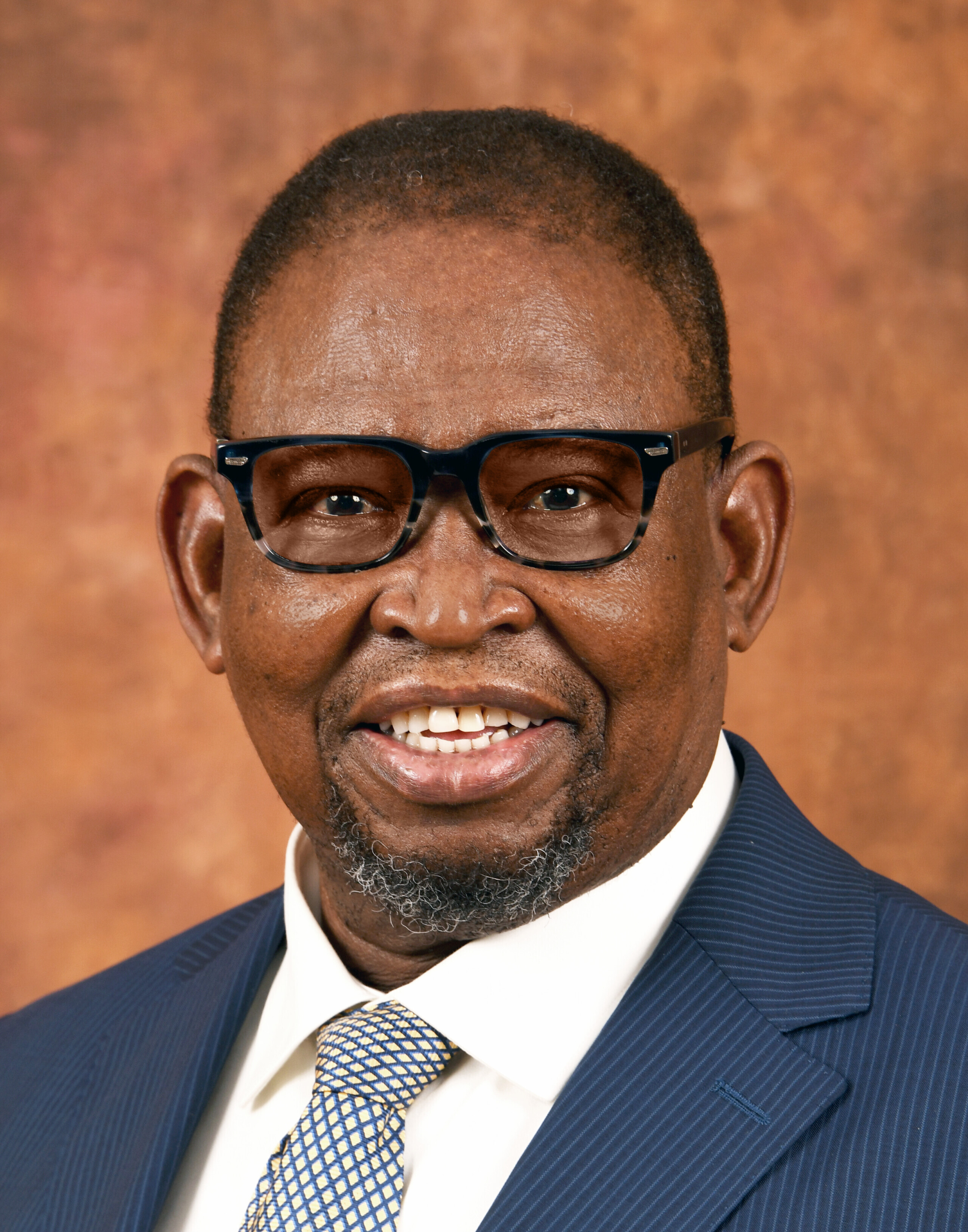
Minister of mineral and petroleum resources Gwede Mantashe assured attendees at the Southern Africa Oil and Gas Conference in Cape Town on Monday that there was no need to panic about potential shortages caused by the Persian Gulf war. However, he avoided revealing the state of South Africa’s strategic fuel reserves.
The department of mineral and petroleum resources issued a statement claiming sufficient fuel was available in the country despite international conflicts. The department explained that orders placed before the current war in Iran should still reach South Africa until early April, meaning domestic shortages should not yet exist.
Political pressure mounts
The Democratic Alliance on Tuesday urged Mantashe to declare the exact state of the country’s fuel reserves without delay.
“In order to settle public worries about shortages, he should disclose the exact state of the country’s fuel reserves without delay,” said DA spokesperson on mineral and petroleum resources James Lorimer.
By law, South Africa is supposed to maintain a two-month supply of transport fuel in reserve at any time. Mantashe’s failure to confirm whether this legal requirement was being met has raised serious concerns that the reserve has not been maintained, according to the DA.
“If it is the case that the two months’ supply is not available, there needs to be an urgent plan to make up the shortfall and maintain it in the future,” Lorimer said.
The Freedom Front Plus also questioned the discrepancy between government assurances and reality on the ground.
“The department says there is enough fuel, yet stock at filling stations is limited. Where is the fuel then?” asked Dr Wynand Boshoff, FF Plus MP and chief spokesperson on mineral and petroleum resources.
Boshoff said the party had seen letters from fuel suppliers warning filling stations about shortages.
Potential for artificial shortages
One possible explanation for the shortages is that stock is being withheld until next month’s fuel price increase takes effect, according to the FF Plus.
The under-recovery on petrol is currently around R4 per litre and diesel approximately R7, meaning potentially large profits could be made from holding back stock. Early forecasts suggest petrol could increase by between R2,60 and R2,78 per litre in April, whilst diesel could rise by between R4,91 and R5,03 per litre.
Some analysts have warned that if the Iran conflict continues for another three to four weeks, oil prices could exceed the $128 per barrel high seen during the Russia-Ukraine war. If the conflict extends for several months, prices could surpass the 2008 peak of $146 per barrel.
LPG gas prices have already increased by 23 cents per kilogram in March, with coastal areas now paying R31,72 per kilogram and Gauteng paying R34,97 per kilogram.
Economic threat
The potential fuel shortages pose a severe threat to South Africa’s economy, which is entirely dependent on liquid fuel.
“Fuel shortages, regardless of whether they are real or artificially created, can cause tremendous damage to the economy. This can lead to price increases that ordinary consumers cannot afford and even food shortages in vulnerable communities,” Boshoff said.
ALSO READ: ‘No immediate fuel shortage risk despite global oil price rise’ – says government
The summer planting regions are currently approaching harvest time, and grain left standing in the fields would be disastrous, he added.
Sasol currently produces approximately 30% of South Africa’s fuel domestically, with the remainder imported. This makes South Africa extremely vulnerable during international conflicts, particularly as approximately 69% of refined fuel imports come from Middle Eastern suppliers.
The FF Plus said it trusted that the department of mineral and petroleum resources would maintain the transparency promised in its statement, though that transparency has yet to materialise regarding the crucial question of reserve levels.
ALSO READ: Mantashe calls for domestic oil exploration amid Middle East fuel supply concerns