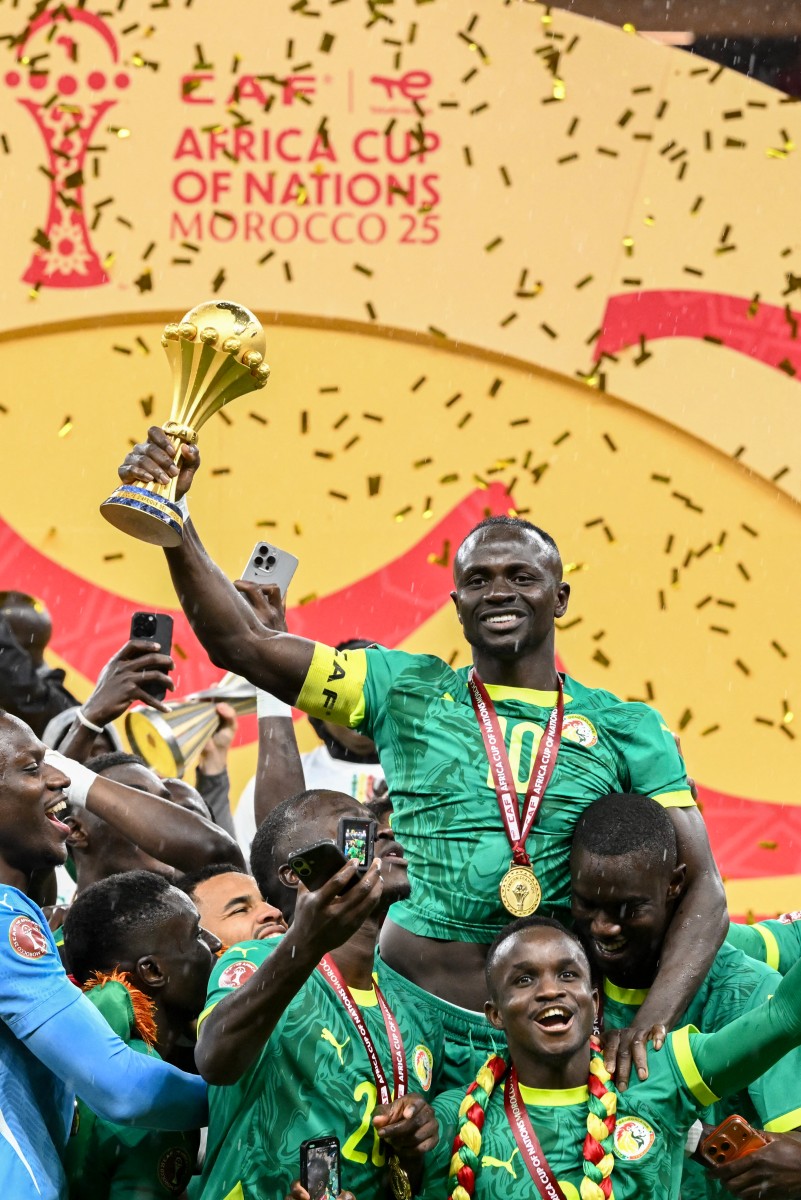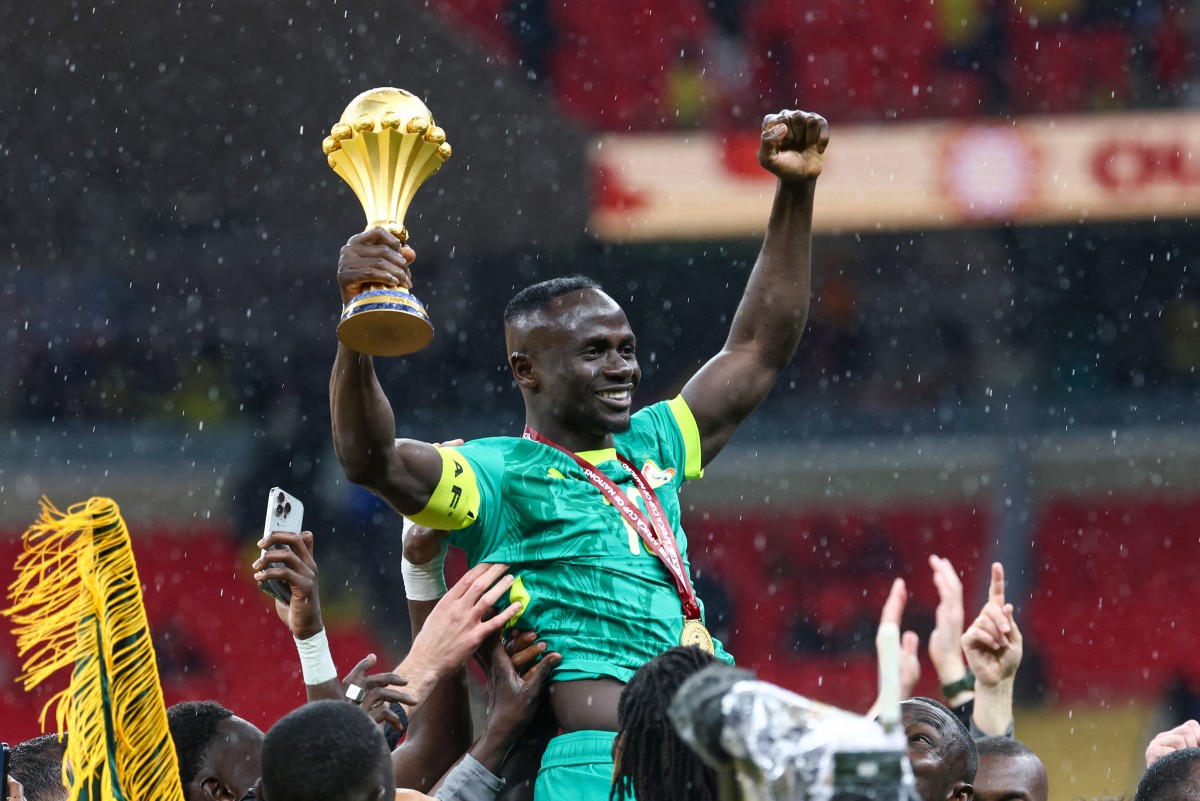
In one of the most controversial decisions in African football history, Senegal have been sensationally stripped of their Africa Cup of Nations crown two months after lifting the trophy in Rabat. The Confederation of African Football (CAF) declared Morocco champions on Tuesday following an appeal over the chaotic scenes that marred January’s final, leaving Senegal’s football federation seething and promising a swift counter-attack through the Court of Arbitration for Sport.
The decision has sent shockwaves through African football, overturning a result that saw the Teranga Lions triumph 1-0 in extra time after one of the most dramatic finals in AFCON history. What seemed like a settled matter has been ripped wide open, with CAF now officially recording the match as a 3-0 forfeit victory for Morocco.
The night everything went wrong
The 18 January final at the Prince Moulay Abdellah Stadium descended into chaos as tensions boiled over in the dying embers of normal time. With the match goalless and heading towards the final whistle, Congolese referee Jean-Jacques Ndala pointed to the spot in the 24th minute of added time, a decision that would ultimately change everything.
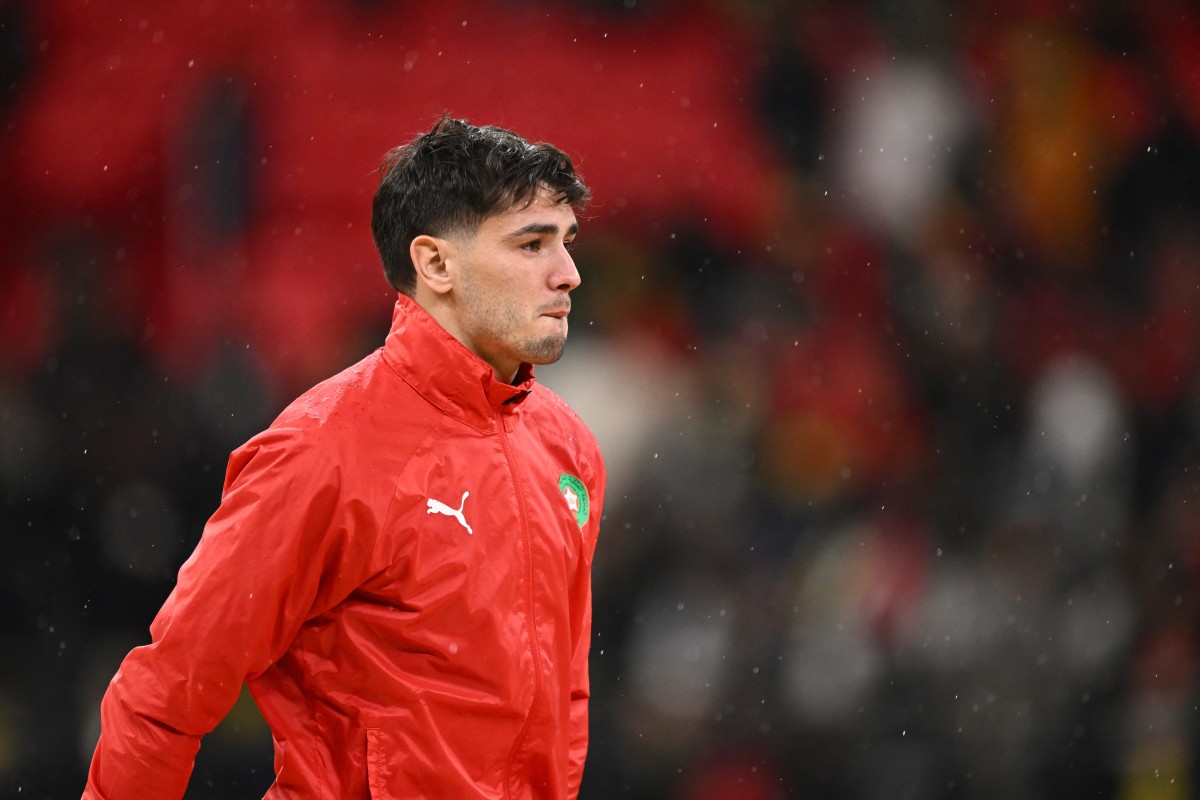
Following a VAR review, Ndala adjudged that El Hadji Malick Diouf had fouled Real Madrid’s Brahim Diaz in the penalty area. The decision sparked fury amongst the Senegalese contingent, and several players made the fateful decision to walk off the pitch in protest. For nearly 20 minutes, the match hung in the balance as captain Sadio Mane worked desperately to convince his teammates to return.
When play eventually resumed, Diaz’s attempt was comfortably saved by goalkeeper Edouard Mendy. The reprieve proved decisive. In the 94th minute of extra time, Pape Gueye produced a brilliant strike that sparked wild celebrations and appeared to have secured Senegal’s triumph.
But the drama was far from over.
CAF swings the axe
On Tuesday, CAF’s Appeals Committee delivered its bombshell verdict after studying Morocco’s appeal. Citing Articles 82 and 84 of the AFCON Regulations, the governing body ruled that Senegal had forfeited the match by leaving the pitch without the referee’s authorisation.
The regulations are unequivocal: if a team “refuses to play or leaves the ground before the regular end of the match without the authorisation of the referee, it shall be considered [loser] and shall be eliminated for good from the current competition”. The sanction is equally clear, a 3-0 forfeit.
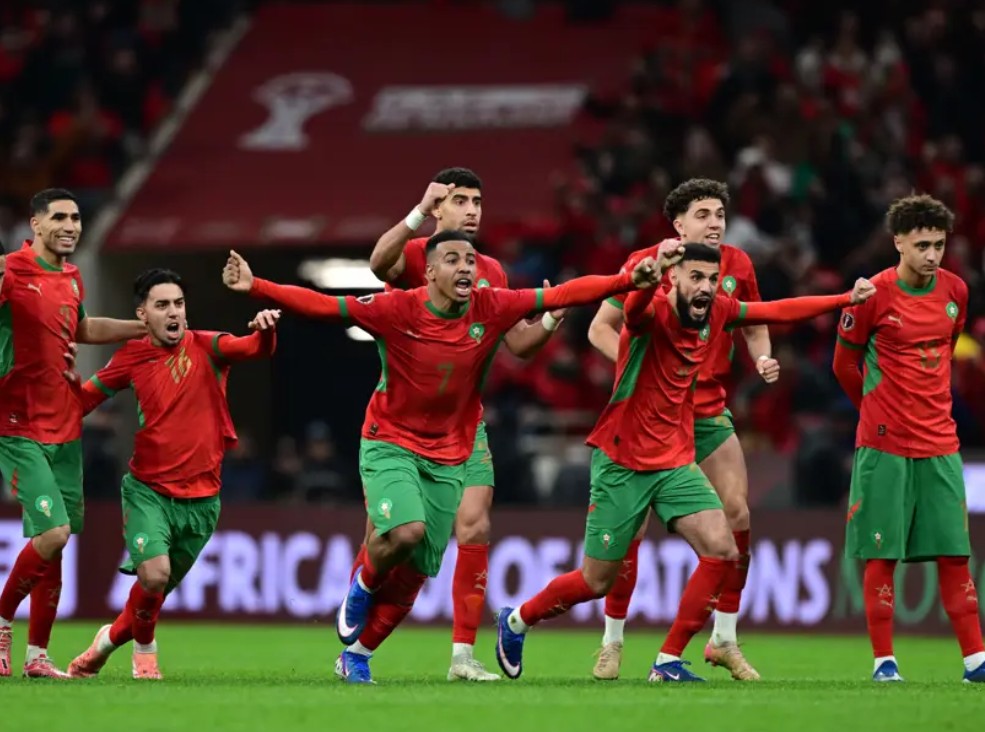
CAF’s decision means that despite Senegal physically winning on the pitch, Morocco are now officially crowned AFCON champions for the first time since 1976.
Morocco: vindication, not victory
The Royal Moroccan Football Federation (FRMF) carefully framed its response, insisting the appeal “was never intended to contest the sporting performance of the teams participating in this competition, but solely to request the application of the competition regulations”.
The statement continued: “The Federation reaffirms its commitment to respecting the rules, to the clarity of the competitive framework, and to the stability of African competitions.”
It’s a diplomatic tone from the Atlas Lions, who now find themselves in the awkward position of being champions through a technicality rather than on-field triumph, though they’ll argue the rules exist for precisely such situations.
Senegal: fury and defiance
Senegal’s response was anything but diplomatic. The Senegalese Football Federation condemned the decision as “unjust, unprecedented and unacceptable”, declaring it brought “African football into disrepute”.
The federation confirmed it would appeal “as soon as possible”, setting up what promises to be a protracted legal battle that could drag on for months.
Several Senegalese players took to social media to vent their frustration. Lyon defender Moussa Niakhate posted a picture of himself lifting the trophy with the caption “they’re mad”—a clear shot at CAF’s decision-makers.
The anger is understandable. From Senegal’s perspective, they returned to complete the match, their goalkeeper made a crucial save, and they scored a legitimate winner in extra time. To have victory snatched away in a boardroom two months later feels like rough justice.
The fallout continues
This wasn’t CAF’s first intervention in the aftermath of the chaotic final. In late January, the governing body imposed fines totalling several hundred thousand euros on both federations for unsportsmanlike conduct and violations of fair play principles.
FIFA president Gianni Infantino, who attended the match, was scathing in his immediate assessment. “It is unacceptable to leave the field of play in this manner, and equally, violence cannot be tolerated in our sport, it is simply not right,” he said, condemning “some Senegal players” for the “unacceptable scenes”.
The controversy extended beyond the pitch. Some Senegalese supporters attempted a pitch invasion during the match, and 18 fans were subsequently imprisoned and sentenced to terms ranging from three months to one year for hooliganism. Their appeal trial, has been postponed until March 30.
What happens next?
All eyes now turn to the Court of Arbitration for Sport, where Senegal will mount their challenge. CAS has previously overturned controversial CAF decisions, though the regulations in this case appear fairly clear-cut.
Senegal will likely argue that their players’ temporary departure was a protest rather than a refusal to play, and that their return and completion of the match should negate any forfeit. They may also question whether the regulations were intended to cover situations where play ultimately resumed and concluded.
Morocco, meanwhile, will point to the black-and-white wording of the regulations and argue that rules must be consistently applied regardless of the eventual outcome.