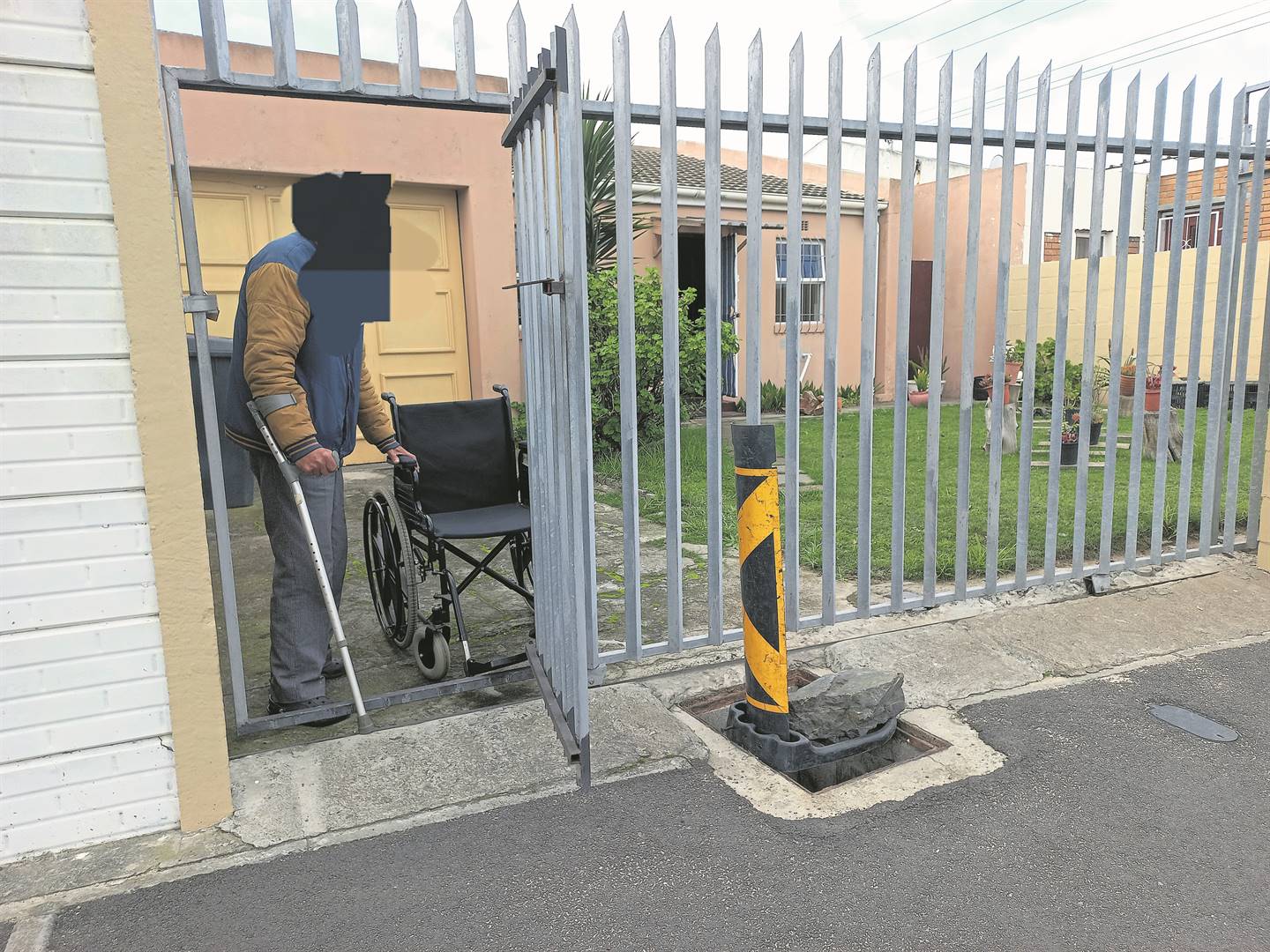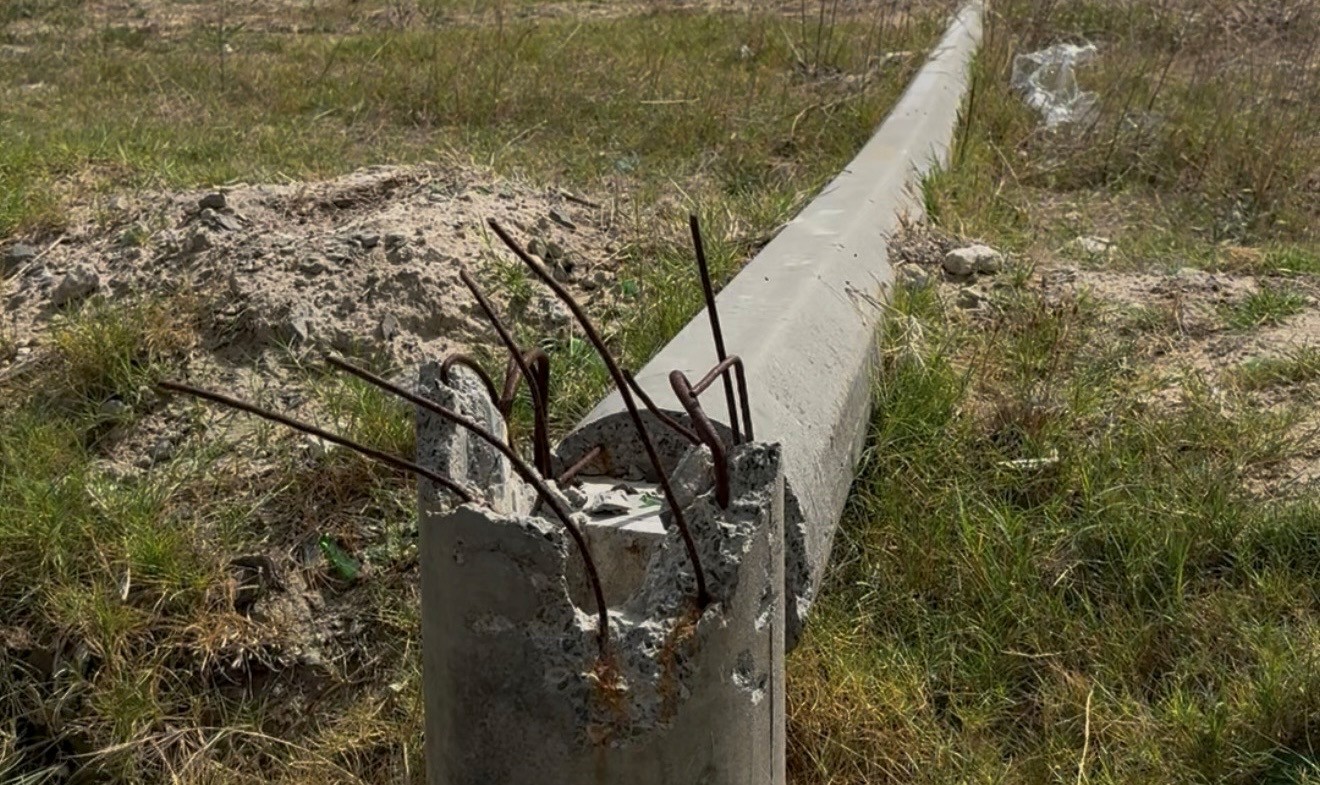
The City of Cape Town has spent more than R44,5 million repairing and replacing stolen and vandalised electrical infrastructure in the first seven months of the current financial year, with officials warning the ongoing criminality is draining resources from other essential services.
The figure, disclosed by Mayoral Committee Member for Energy Alderman Xanthea Limberg, covers expenditure up to January 2026 – just over halfway through the financial year. The City spent approximately R76,3 million on electricity infrastructure maintenance and replacement in the previous financial year.
“This is money that could have been spent elsewhere to maintain existing infrastructure and on other capital projects, among others. It is just not sustainable,” Limberg said.
She said theft, illegal connections and vandalism of electrical infrastructure pose a safety risk to residents and continue to affect Cape Town neighbourhoods. Infrastructure is often vandalised again shortly after being repaired or replaced.
The City has implemented several interventions to combat the problem, including undergrounding cables where possible, replacing copper cables with less valuable materials, fitting anti-vandalism technology to infrastructure and clamping down on illegal scrapyards.
Security has been deployed to monitor hotspot areas, and the City is piloting innovative infrastructure protection technology solutions.
The City maintains a network of more than 245 000 streetlights through a R75,5 million capital budget for the 2025/26 financial year. Electricity teams are actively working across the metro as part of the year-round public lighting programme.
Limberg called on residents to assist in fighting the problem by reporting suspicious behaviour near electricity infrastructure to the City and the South African Police Service.
The City has launched a campaign called Protect Your Power, which highlights the impact of vandalism, theft and illegal connections on communities, neighbourhoods and roadways. Residents can report suspicious activity anonymously to the City’s Public Emergency Communication Centre.
The SAPS remains the lead authority in crime prevention.