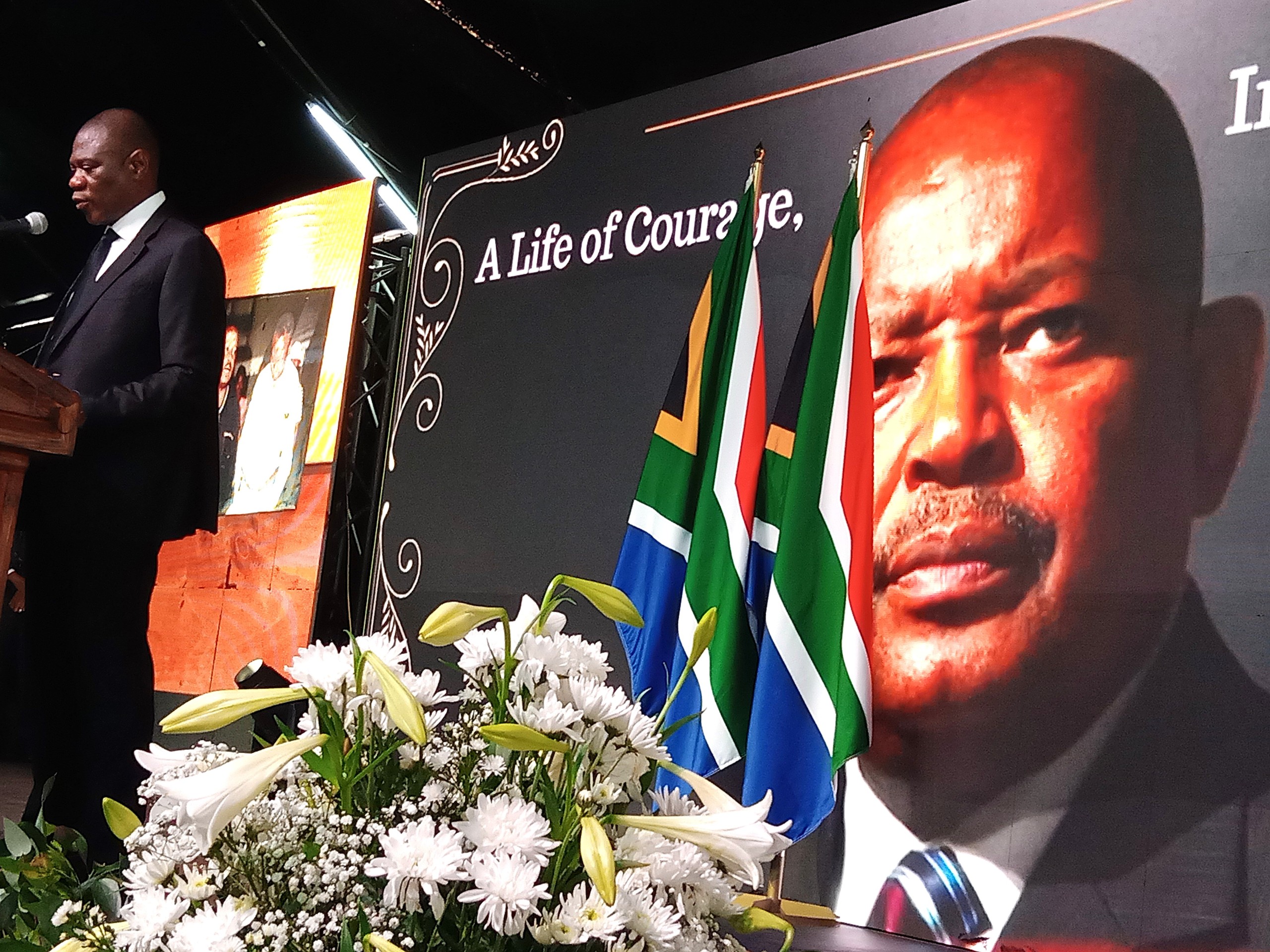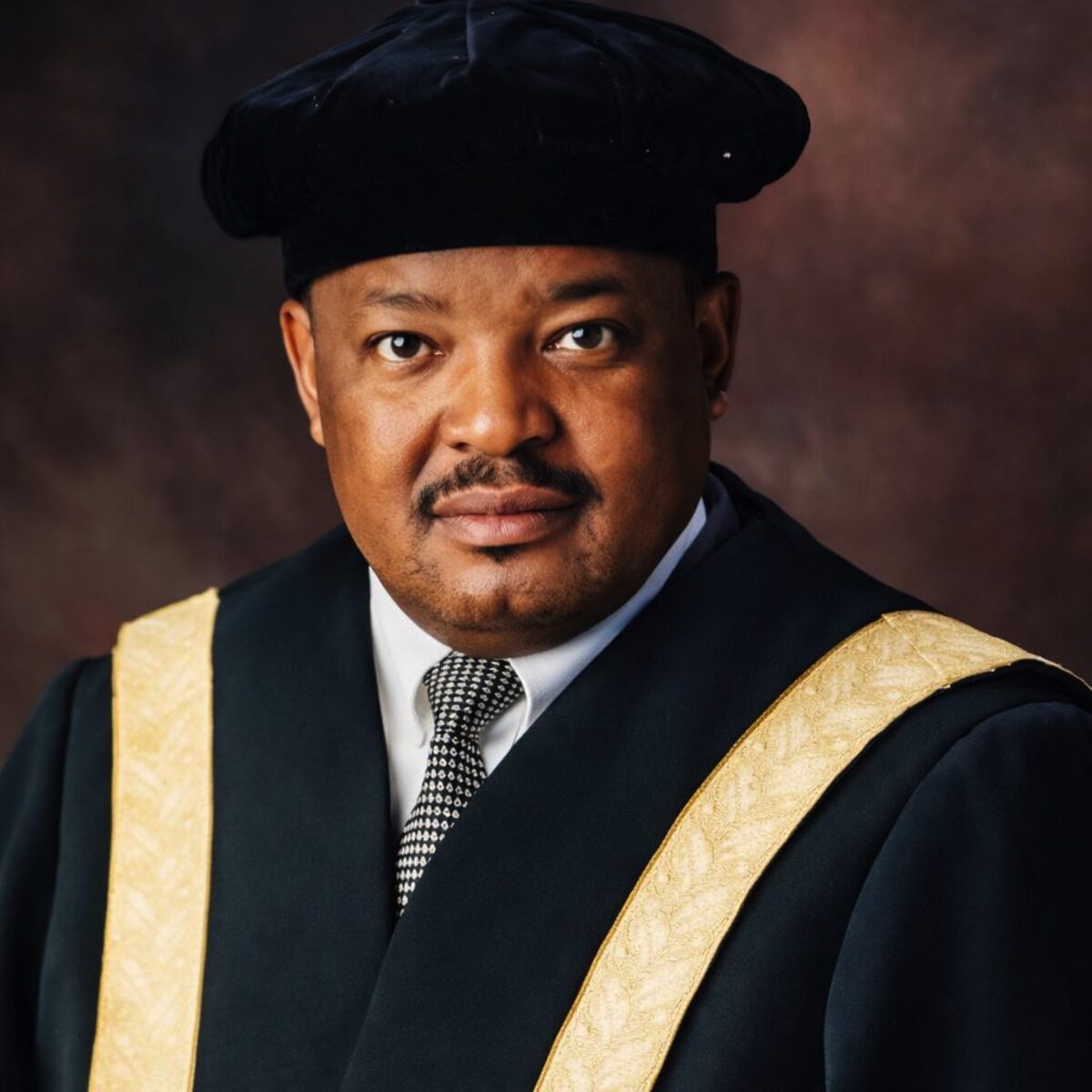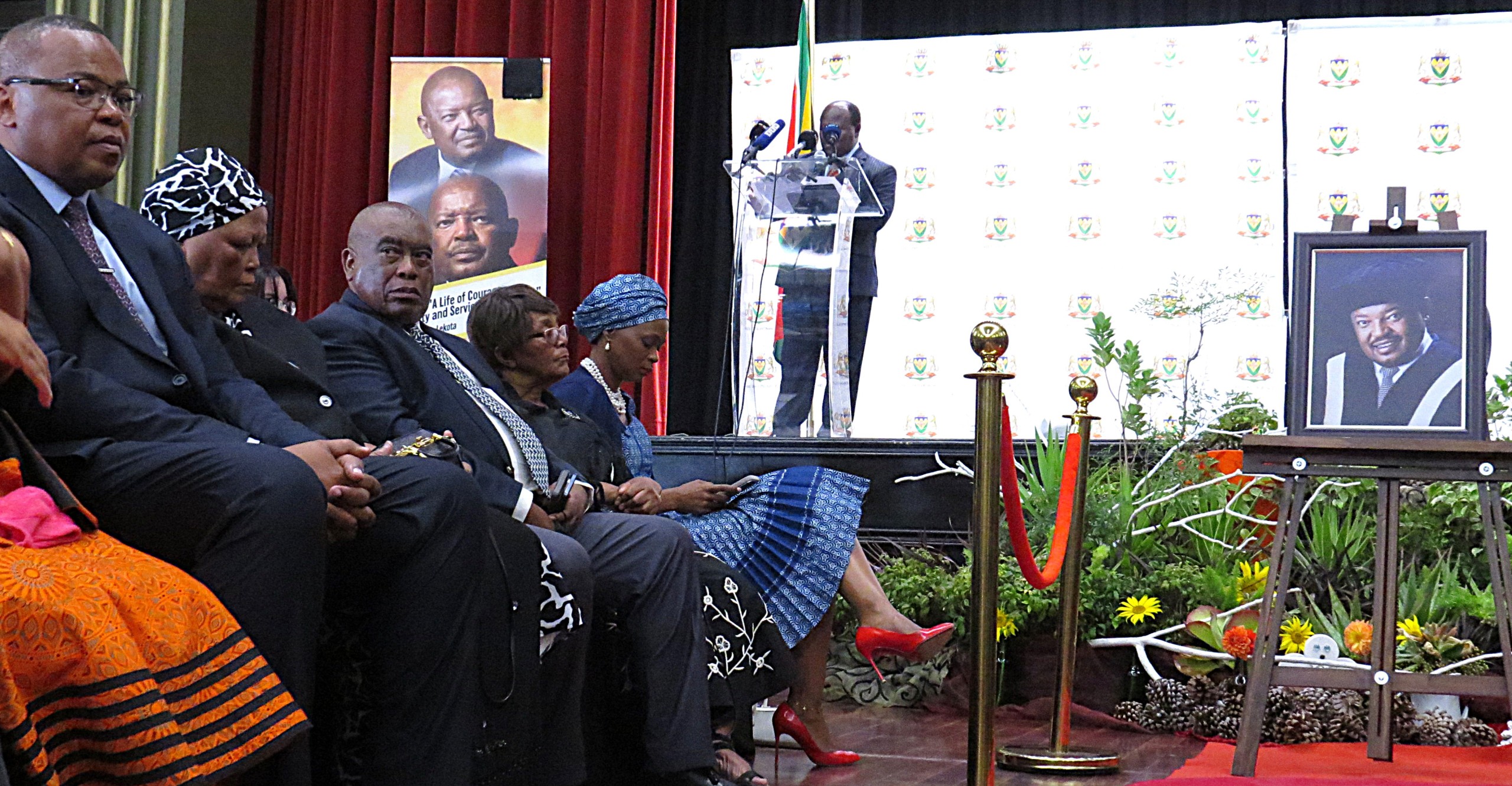
BLOEMFONTEIN – Mourners in political circles, political leaders and activists across South Africa are descending on Bloemfontein to mark the final chapter for one of South Africa’s political stalwarts Mosiuoa Gerard Patrick “Terror” Lekota. He is being laid to rest today – Saturday, 14 March in the Free State’s capital with a Special Official Funeral, Category 2.
Deputy President Paul Mashatile will, on behalf of President Cyril Ramaphosa and the Republic of South Africa, deliver the eulogy, paying final tribute to Lekota.
Born in Kroonstad on 13 August 1948, Terror was the eldest of seven children in a working-class family.
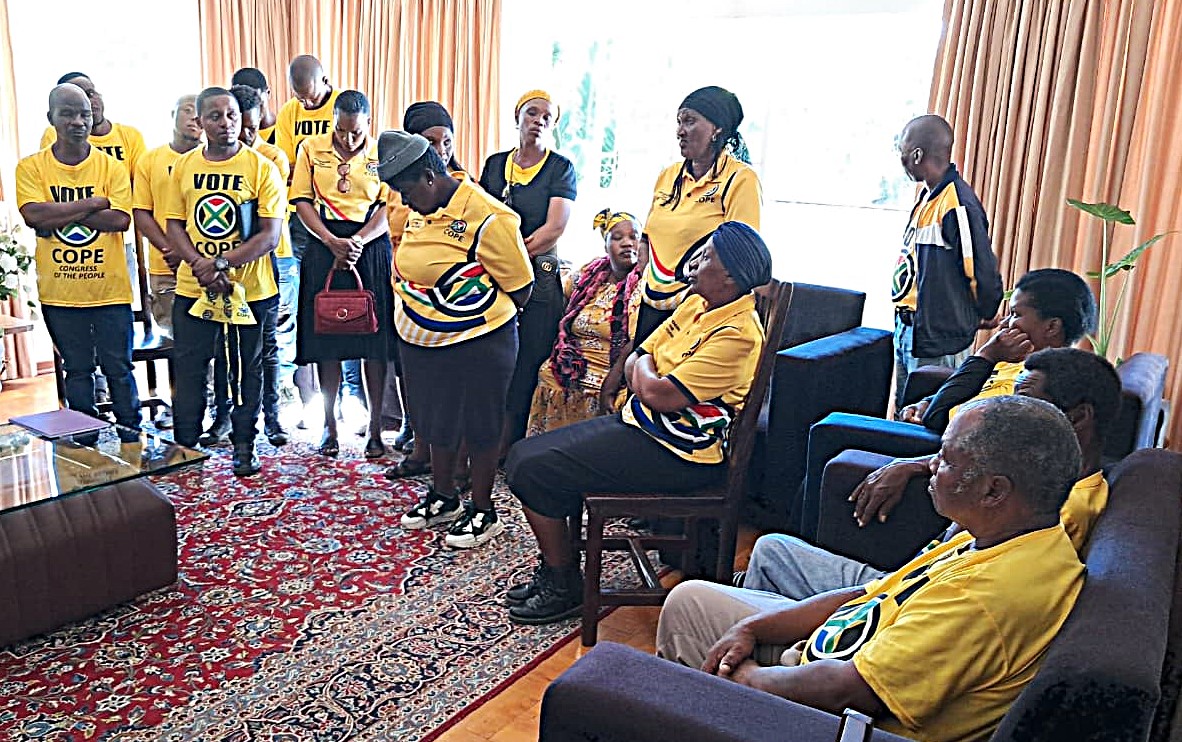
Lekota will be laid to rest in the Free State’s capital city where he was elected as President of the Congress of the People (COPE) party in 2008, after leaving the ruling party – ANC.
The outspoken politician passed away on 4 March, in a hospital in Johannesburg, at the age of 77. He succumbed to ill health. Tributes continue to pour in, hailing Lekota’s contribution towards achieving democracy and his political consciousness.
Different speakers hailed Lekota as a champion of integrity and described him as a unifier and a steadfast defender of the Constitution of South Africa. They referenced his steadfast defence of the SA Constitution through his robust debate in Parliament, emphasising that government actions ought to comply with the Constitution rather than political party interests.
Lekota has been lauded as a principled, anti-corruption crusader in South African politics.
- Lekota’s legacy in SA politics was far-reaching.
Black Consciousness to Non-Racialism: He began his activism in the Black Consciousness Movement with SASO and was expelled from university for his advocacy. His time on Robben Island (1974–1982) alongside Nelson Mandela shifted his ideology toward the ANC’s non-racialism.
- United Democratic Front leadership: As the national publicity secretary for the United Democratic Front (UDF) in 1983, he was a key face of internal resistance.
Government Roles
Lekota held several foundational roles in the early democratic government:
Minister of Defence (1999–2008): He oversaw the complex integration of former apartheid forces and liberation armies into a unified South African National Defence Force.
First Premier of the Free State (1994–1996): He is remembered for stabilising the province and laying administrative foundations after apartheid.
Inaugural NCOP Chairperson (1997–1999): He helped establish the National Council of Provinces as a forum for cooperative governance between national and provincial levels.
Also read: A giant tree has fallen: Struggle stalwart Terror Lekota dies at 77