
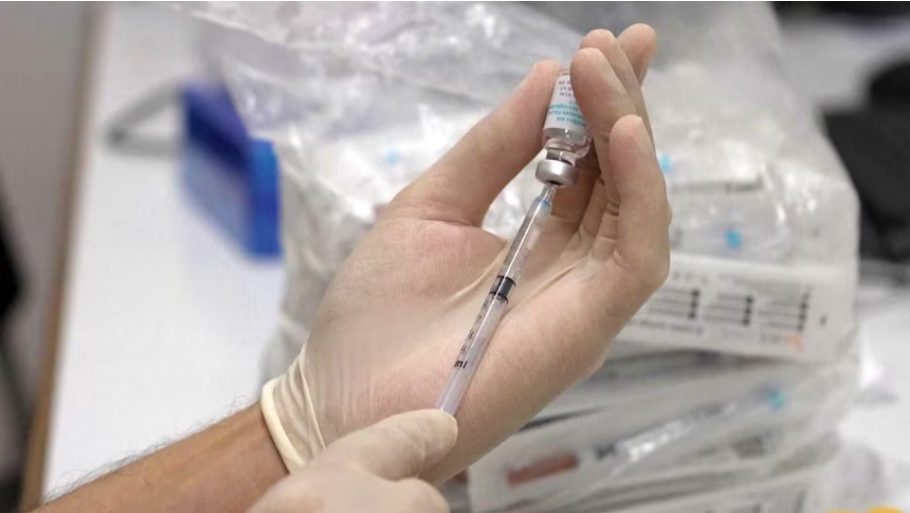
Saai, a prominent agricultural organisation led by Board Chair Dr Theo de Jager, has expressed concerns about potential future introduction of mRNA vaccine technologies into South Africa’s livestock sector. The organisation views this as part of broader policy developments that could threaten traditional farming practices.
These concerns extend beyond vaccination policies. Saai has previously challenged the Department of Agriculture and the Democratic Alliance regarding regulations on meat analogues published in June 2025, viewing both developments as potential threats to conventional livestock production and family farming operations.
Saai also notes that countries such as Russia and China largely avoided the widespread use of mRNA vaccines during the pandemic, and did not experience the same scale of unexplained medical concerns that have been raised elsewhere.
Beyond the scientific debate, Saai warns that consumer confidence will be severely affected if mRNA technologies are introduced into livestock production. Millions of consumers who experienced the trauma of lockdowns and the severe infringement of personal freedoms during the COVID-19 pandemic, because they avoided vaccination with mRNA, will be deeply concerned about the possibility of being exposed to these technologies indirectly through the meat and milk they consume.
International context and farmer mobilisation
The concerns reflect broader international tensions over agricultural policy. Recent events in Europe have demonstrated farmers’ willingness to mobilise against policies they perceive as threatening their livestock sectors. Hundreds of thousands of farmers in the Netherlands, Belgium, and Germany have protested policies they believe undermine traditional agricultural practices.
Whilst current FMD vaccination efforts focus on traditional vaccines, South African researchers are developing mRNA vaccines for other diseases such as Rift Valley fever. However, these experimental technologies are not part of the active cattle vaccination programme.
Saai has committed to demanding full transparency regarding any research, agreements, or policy processes related to mRNA vaccine technologies in livestock. The organisation argues that both farmers and consumers have the right to understand exactly what technologies are being introduced into food production systems.
Programme implementation and scope
The vaccination campaign represents one of the largest livestock health interventions in South African history. The multi-phase approach aims to systematically protect the national herd through strategic deployment of proven vaccine technologies.
ALSO READ: Free State agricultural sector’s impact on South Africa food security
Government officials emphasise that whilst there is interest in modernising disease control through collaboration on new technologies, current emergency efforts focus on traditional, proven, and cost-effective vaccines that have demonstrated safety and efficacy in international markets.
Saai maintains its commitment to protecting both producers and consumers from technologies that may have uncertain consequences for animal health, animal products, and human consumers, whilst supporting effective disease control measures that utilise established vaccination protocols



You must be logged in to post a comment.