

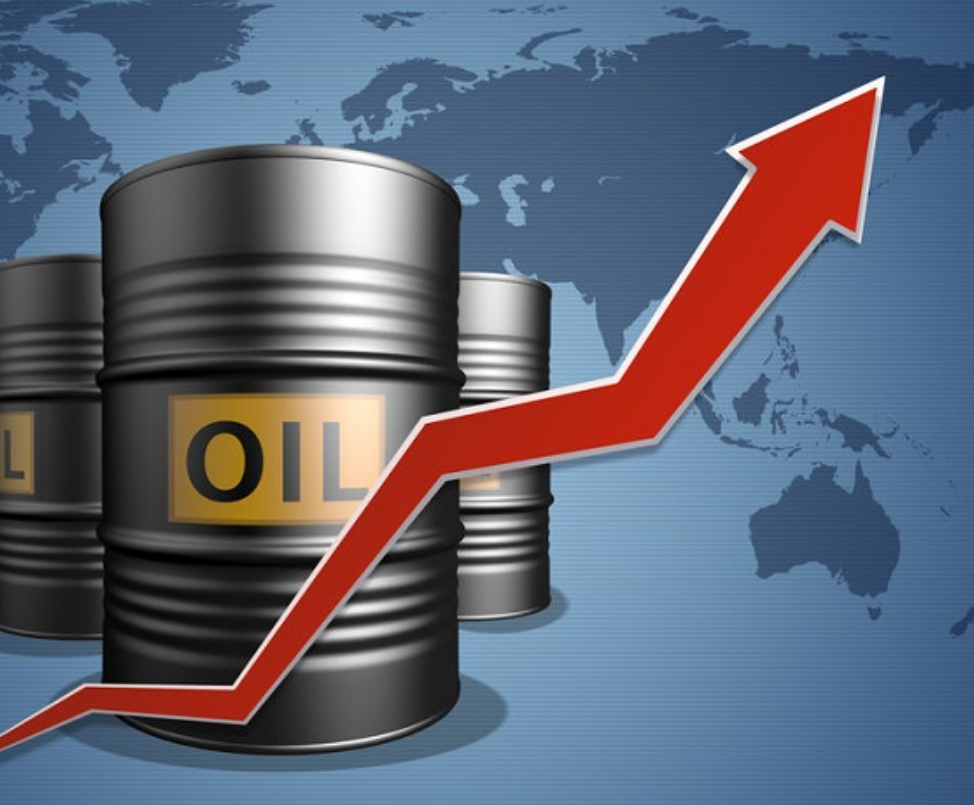
Oil prices surged past $100 a barrel on Wednesday as the escalating Middle East conflict triggered widespread disruptions to global energy markets and prompted emergency responses from governments worldwide.
Brent crude jumped more than 9% to reach $101.59 a barrel, whilst West Texas Intermediate rose more than 9% to hit $95.97, as attacks on fuel infrastructure and shipping intensified across the Gulf region.
The United States Department of Energy announced it would release 172 million barrels of oil from its strategic petroleum reserve as part of an International Energy Agency agreement to ease market turbulence. The IEA’s 32 members agreed to unlock 400 million barrels, the agency’s largest ever joint release. The US release will begin next week and be completed in approximately 120 days.
Iran warned it was prepared for a prolonged conflict that would destroy the world economy. “The US and Israel must consider the possibility that they will be engaged in a long-term war of attrition that will destroy the entire American economy and the world economy,” Ali Fadavi, adviser to the Revolutionary Guards’ commander-in-chief, told state television.
The country’s Tasnim news agency published a list of potential Iranian targets, including offices of technology giants Amazon, Google, Microsoft and Nvidia in Gulf countries and Israel.
Attacks on energy infrastructure escalated across the region. Bahrain said its fuel tanks were targeted in an Iranian attack, with the Ministry of Interior stating on X that “the blatant Iranian aggression targets fuel tanks at a facility in Muharraq Governorate”.
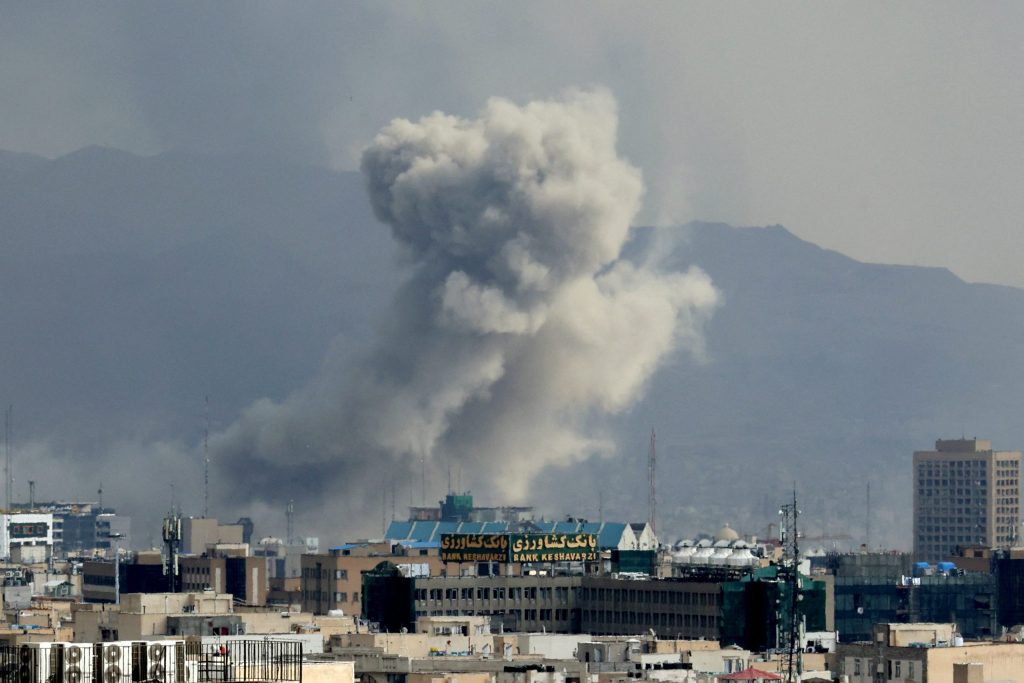
Drones struck fuel tanks at Oman’s Salalah port on Wednesday, state media reported, whilst Saudi Arabia’s defence ministry said it had intercepted two drones heading towards the Shaybah oil field in the southeast of the country. It said it had intercepted seven drones heading to the oil field on Wednesday.
Iran’s Revolutionary Guard said it had struck the Liberian-flagged container ship Express Rome and the Thai bulk carrier Mayuree Naree because they had entered the Strait of Hormuz “after ignoring the warnings”. An attack on two oil tankers near Iraq killed at least one crew member, Iraqi authorities said.
The UK maritime agency reported on Thursday that a projectile struck a container ship near the United Arab Emirates. The United Kingdom Maritime Trade Operations said the ship’s crew had been reported as safe after the unknown projectile caused a small fire onboard.
Confusion emerged over US naval operations in the Strait of Hormuz after the US energy secretary posted a video on X stating the US Navy had escorted an oil tanker through the strait, only for the post to be deleted within minutes. The White House subsequently stated that the US Navy had not escorted any tankers through the strategic Gulf passage. Iran’s Revolutionary Guards said no US Navy vessel has “dared” to approach the strait.
Major international businesses evacuated offices in Gulf countries after Iran’s threats. US finance group Citi and British consultancy Deloitte evacuated offices in Dubai’s financial centre, whilst PwC, another British consultancy, closed offices in Saudi Arabia, Qatar, the UAE and Kuwait.
The crisis prompted emergency fuel measures in the Asia-Pacific region. Australia will adjust fuel quality standards to allow higher sulphur levels for around two months, releasing around 100 million litres a month into domestic supply. New Zealand officials said they were considering using decades-old laws to restrict vehicle use if fuel supplies dwindled. Both countries are heavily reliant on oil imports for fuel.
Tanker drivers in Pakistan reported long waits at depots due to fuel shortages, though the government played down fears of another price rise.
The Group of Seven nations rejected easing punitive measures against Russia over its invasion of Ukraine despite the Middle East war’s impact on global oil markets. “This situation in no way justifies lifting the sanctions that exist against Russia,” French President Emmanuel Macron said after a video call with other G7 leaders to discuss the war’s economic fallout.
European Central Bank chief Christine Lagarde said “everything necessary” would be done to “keep inflation under control”.
The Iran-linked hacking group Handala claimed responsibility for a cyberattack on US medical technology giant Stryker, saying it had extracted 50 terabytes of data in retaliation for the US war on Iran.


You must be logged in to post a comment.