
Iran and Israel exchanged missile strikes on Monday as conflict in the Middle East intensified, with Iranian attacks targeting energy infrastructure across Gulf states and oil prices surging above $100 per barrel.
Iran fired its first missiles towards Israel following the appointment of Mojtaba Khamenei (56) as the country’s new supreme leader, according to state broadcaster IRIB. Israeli medics reported one woman wounded in the attack.
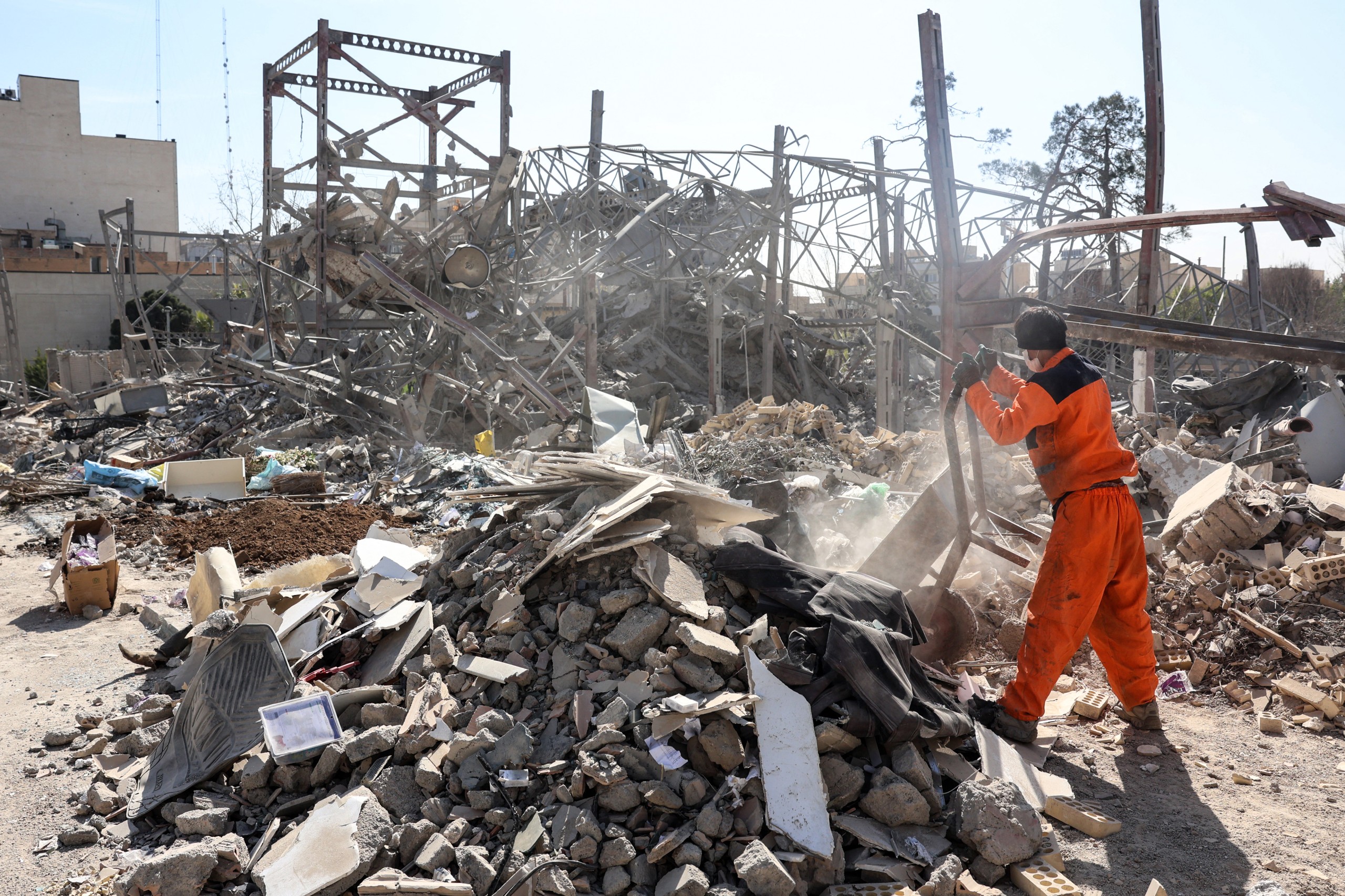
The Israeli military responded with a new wave of strikes targeting what it described as “regime infrastructure”, including internal security command centres and missile launch sites in central Iran.
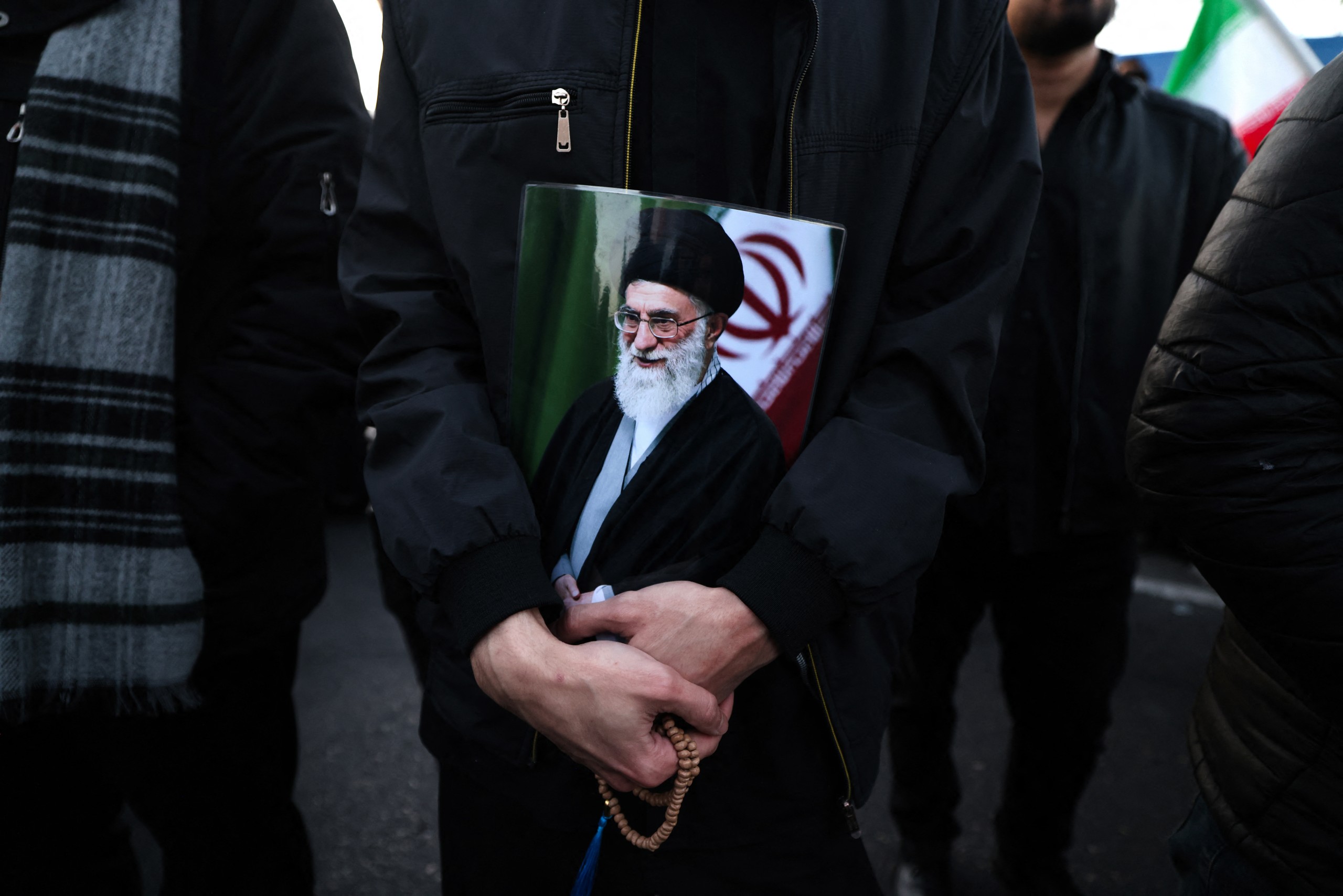
The 56-year-old son of Iran’s late supreme leader Ali Khamenei was selected by the country’s Assembly of Experts to succeed his father. Iran’s Revolutionary Guards quickly pledged allegiance to the new supreme leader, while top security official Ali Larijani called Khamenei’s election “completely legal”.
US President Donald Trump had earlier told ABC News that if the next leader “doesn’t get approval from us he’s not going to last long”.
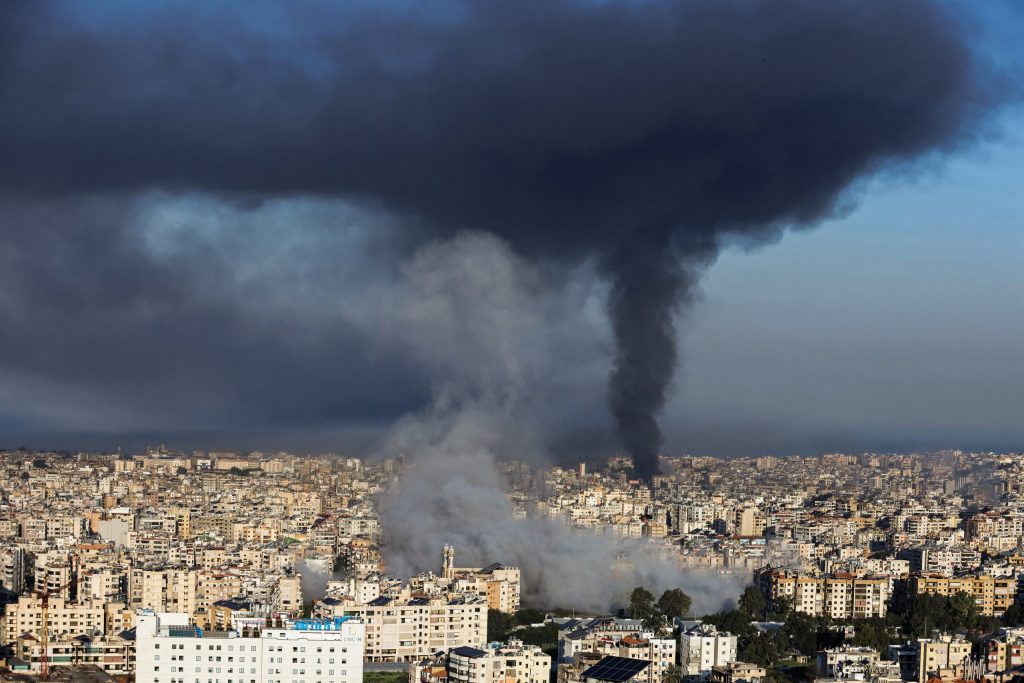
Iranian strikes targeted energy installations across the Gulf region on Monday. An attack on Bahrain’s Al Ma’ameer oil facility caused a fire and material damage, according to state media. Bahrain’s state-owned Bapco energy company declared force majeure after waves of Iranian strikes hit the country’s energy installations.
Bahrain’s health ministry said an Iranian drone attack on the island of Sitra overnight wounded 32 civilians, all of them Bahraini citizens.
Saudi Arabia’s defence ministry said it had thwarted a drone attack targeting the Shaybah oil field in the kingdom’s east, near the Emirati border. The foreign ministry condemned Iran’s retaliatory strikes as “reprehensible”.
Several explosions were heard in the Qatari capital Doha, according to AFP journalists. Qatar, Saudi Arabia, the United Arab Emirates and Kuwait all reported new attacks.
The US State Department ordered “non-emergency US government employees and US government employee family members to leave Saudi Arabia due to safety risks”.
Both crude benchmark prices, the WTI and Brent, surged more than 30% after already soaring above $100 a barrel amid fears of prolonged supply disruptions. Stock markets in South Korea and Japan fell sharply in early trade on Monday.
Trump dismissed the spike on social media, saying it is “a very small price to pay” to remove Iran’s nuclear threat. He told news website the Times of Israel that ending the war would be a “mutual” decision taken with Israeli Prime Minister Benjamin Netanyahu, but that Washington will have the final say.
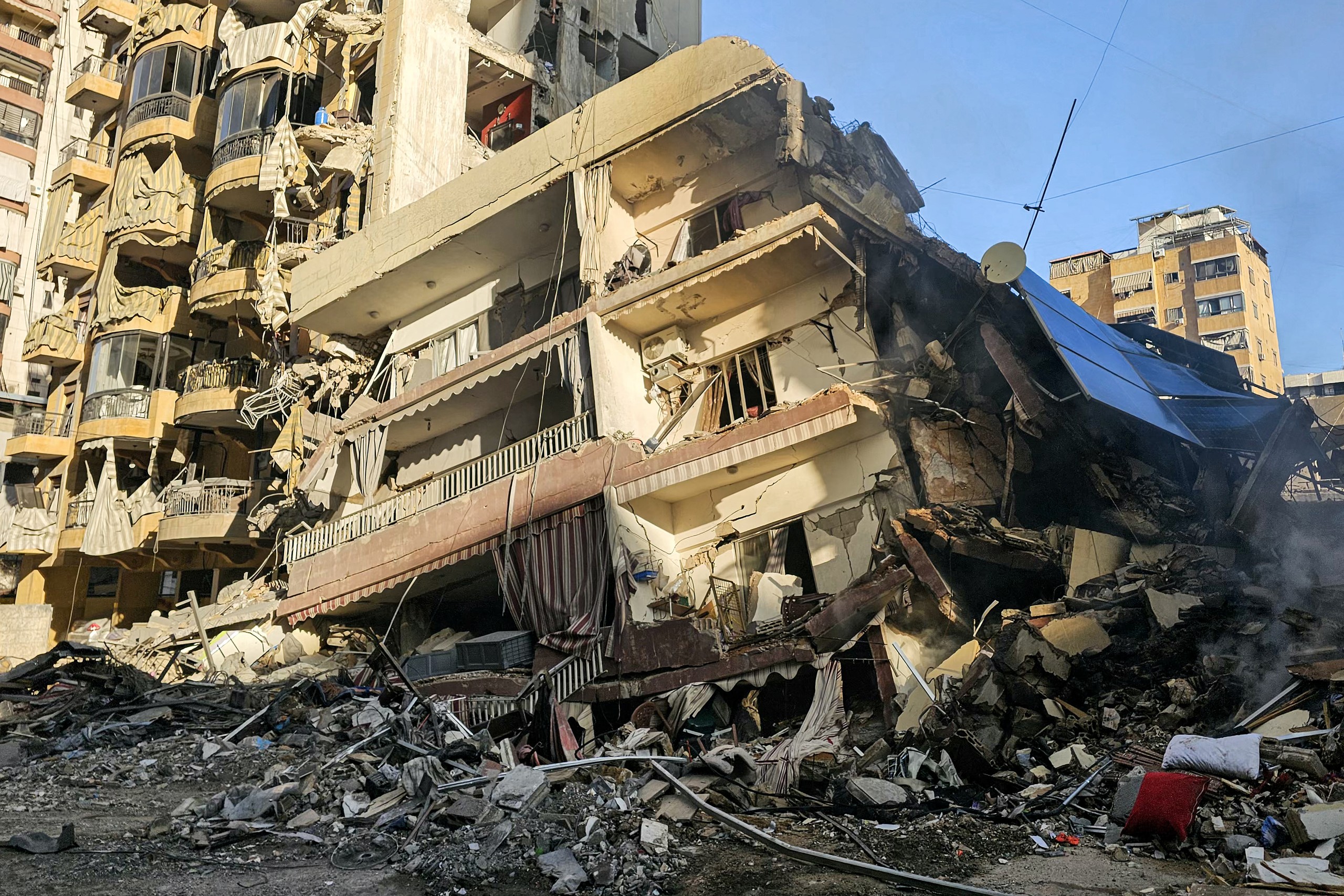
In Lebanon, the Iran-backed Hezbollah militant group said it was engaging Israeli forces who landed in eastern Lebanon overnight by helicopter across the Syrian border. Israel’s military said it struck the Lebanese capital Beirut early Monday, targeting Hezbollah infrastructure.
Human Rights Watch accused Israel of “unlawfully” using white phosphorus over residential parts of the southern Lebanese town of Yohmor last week. White phosphorus, a substance that ignites on contact with oxygen, can be used as an incendiary weapon and can cause fires, horrific burns, respiratory damage, organ failure and death.
The US military on Sunday announced its seventh combat death since the war began, after a service member succumbed to injuries from an attack in Saudi Arabia during Iran’s initial wave of retaliatory strikes. The six others were killed in a drone strike on their base in Kuwait.



You must be logged in to post a comment.