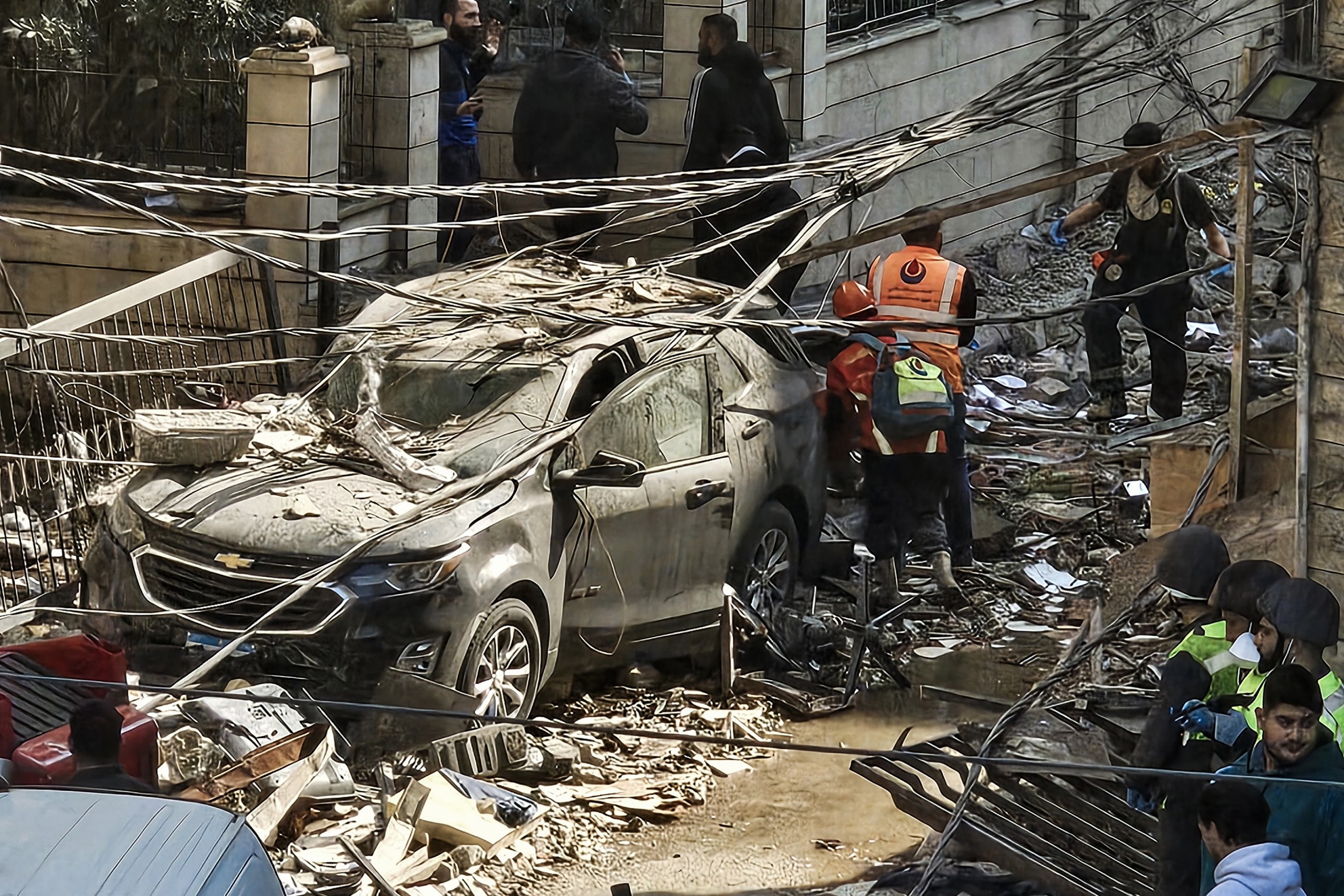
FAIRFORD, United Kingdom – The United States has started using British bases for certain operations against Iran during the Middle East war, the UK government announced on Saturday.
Britain’s defence ministry said the US had begun using the military sites for “specific defensive operations to prevent Iran firing missiles into the region”.
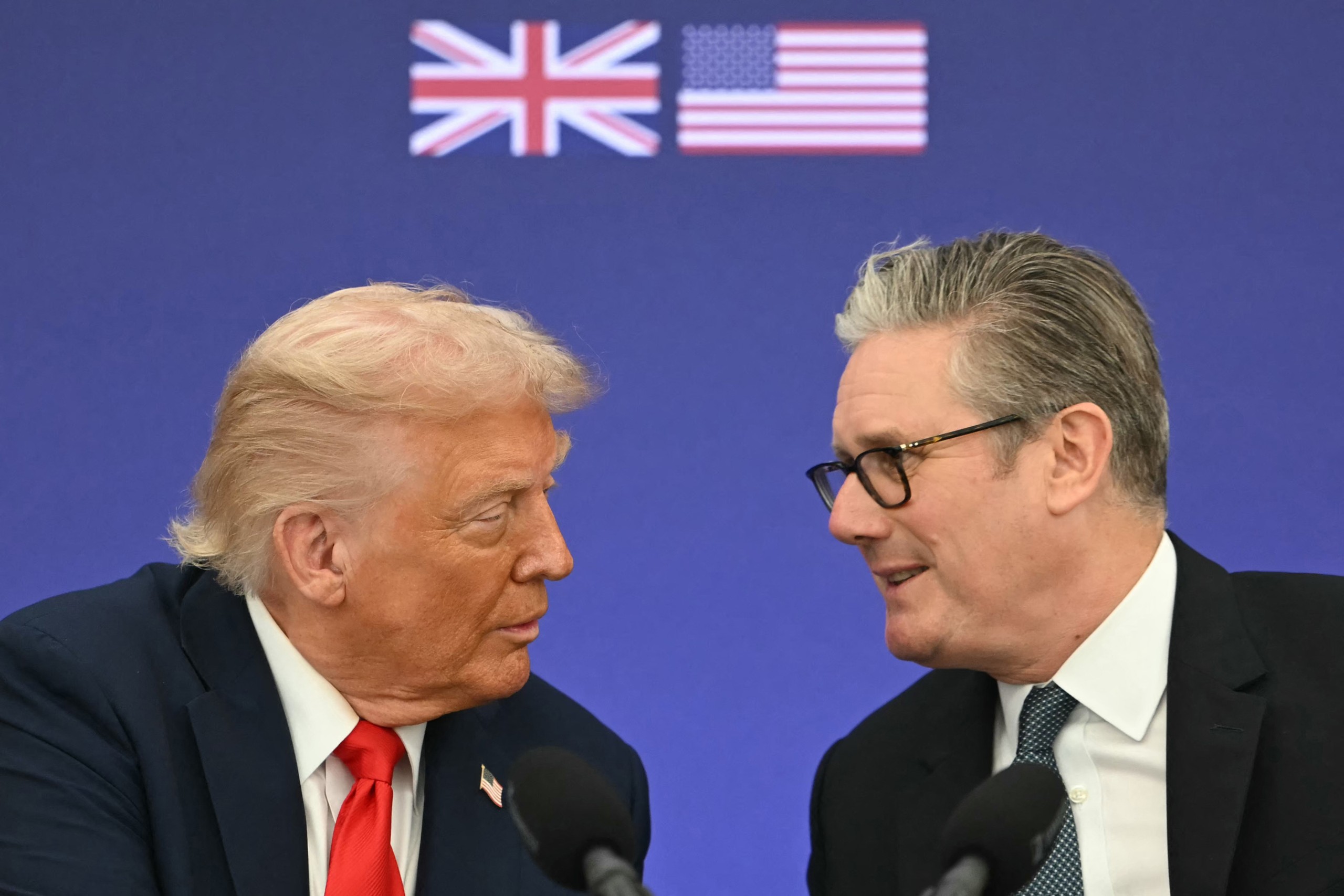
UK Prime Minister Keir Starmer annoyed US President Donald Trump for initially refusing to have any role in the US-Israeli war with Iran, which started a week ago, on February 28.
He later agree to a US request to use two British military bases for a “specific and limited defensive purpose”.
Those bases are Fairford in Gloucestershire, western England, and the UK-US Diego Garcia base on the Chagos Islands in the Indian Ocean.
A US Air Force B-1 Lancer bomber landed at Fairford on Saturday, an AFP photographer saw.
An American C-5 Galaxy plane could also be seen on the runway of the base, as anti-war protesters demonstrated outside.
Trump had said he was “not happy with the UK” and mocked Starmer by saying “this is not Winston Churchill that we’re dealing with”.
Starmer, a former human rights lawyer, has defended his initial decision by saying any UK “must always have a lawful basis and a viable thought-through plan”.
He has also insisted that he was right to change his position because Iran’s retaliation with missiles and drones to the US-Israeli strikes have threatened British interests and allies in the region.
Lawmakers in Starmer’s ruling Labour party remain haunted by former prime minister Tony Blair’s disastrous support for the US-led invasion of Iraq in 2003.
A Survation poll of 1,045 Britons published on Friday found that 56 percent of respondents believed Starmer was right not to involve Britain in the initial strikes. Only 27 percent said he was wrong.