As if it is not devastating enough that South Africa is gripped by a Foot and Mouth Disease pandemic among livestock, during especially the summer months, cattle farmers also face a real battle with Rift Valley fever.
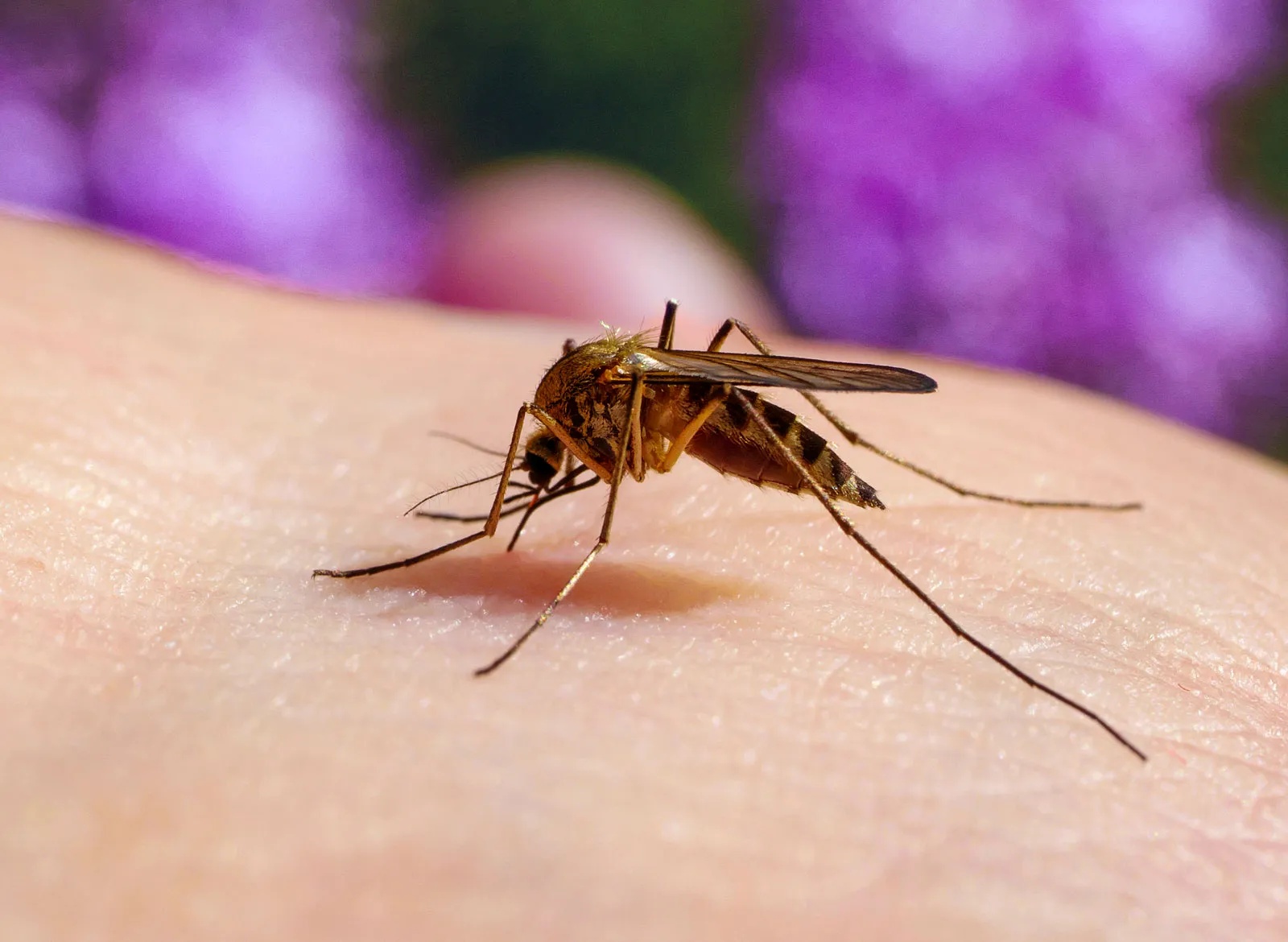
With heavy summer rains elevating mosquito numbers across parts of South Africa, Beefmaster Group is urging farmers to take proactive steps against Rift Valley fever (RVF), a preventable, mosquito-borne viral disease that can strike herds as well as people and derail an entire breeding season if not managed early.
The warning is especially relevant given that an outbreak of RVF was reported in the Northern Cape among livestock in late 2025.
“RVF is a classic ‘after the rains’ disease,” says Thapelo Kgosi “King” Ramokala, Animal Health Specialist at Beefmaster Group. “Sheep are typically hit hardest, and young animals and pregnant females are most vulnerable. Farmers may see sudden deaths in lambs and calves, or a spike in abortions within a short window, red flags that demand immediate action.”
Ramokala explains that mosquitoes are the primary drivers of spread between animals after wet spells, but infections can also occur through direct contact with infected blood or organs.
“Farmers and workers are most at risk when assisting births, slaughtering sick animals or touching carcasses without proper protection. Importantly, RVF does not spread to humans through normal casual contact with animals,” he says.
Symptoms in animals and humans
Adult stock may develop fever, weakness, go off feed and present nasal discharge and diarrhoea. In pregnant animals, abortions are a key warning sign. In young animals, the disease can cause sudden death, often without clear warning signs.
In people, most infections are flu-like: fever, headache, muscle and joint pain and fatigue. A small proportion can develop severe disease affecting the eyes, bleeding, clotting or the liver.
“If RVF is suspected, stop animal movements immediately and call your veterinarian or state veterinary services. The diagnosis cannot be made by sight alone and laboratory testing of blood samples is required,” says Ramokala.
Prevention and control
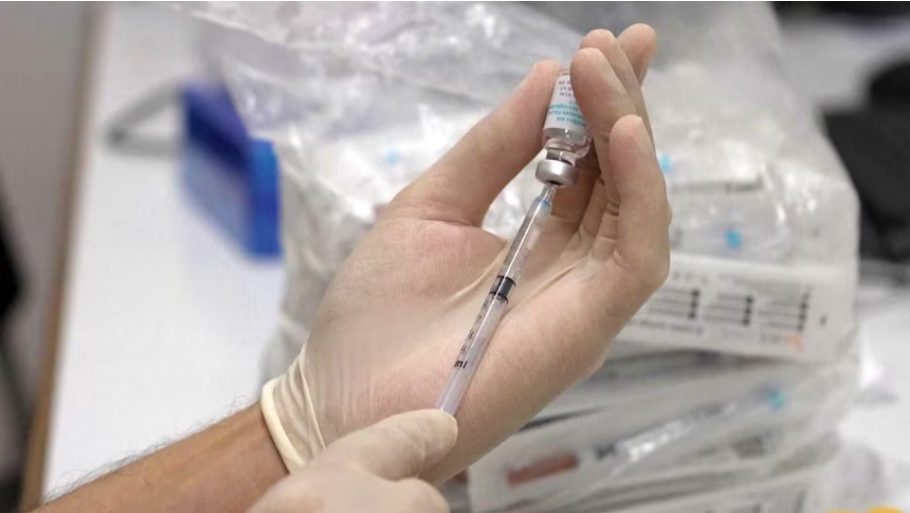
“Vaccination is our best tool for livestock, but timing matters,” Ramokala notes. “Where possible, vaccinate ahead of the rainy season and always under veterinary guidance, as some vaccines are not safe in early pregnancy.”
He adds that mosquito control is essential: reduce standing water, use approved insect control and keep animals away from wet grazing during high-risk periods.
Ramokala advises farmers to separate sick from healthy animals, limit movements during outbreaks and dispose of aborted material and carcasses safely.
“Clean hands, clothing and equipment after handling animals. Wear gloves and protective clothing when assisting calvings or abortions. Do not slaughter sick animals. Cook meat thoroughly and avoid raw milk during outbreaks,” he says.
Economic impact
The financial stakes are high: deaths and abortions reduce herd size, milk and meat output drop and movement or trade can be restricted.
“One outbreak can wipe out a breeding season,” Ramokala cautions. “But the message is hopeful: RVF can be prevented and managed if we act early by reporting suspect cases, vaccinating at the right time, controlling mosquitoes and educating workers and communities.”
ALSO READ: One million FMD vaccines arrive in SA amid national outbreak