


CALITZDORP – Another leopard has been killed in the Western Cape, this time on a mountain pass after it was hit by a vehicle. This incident follows shortly after an adult male leopard was electrocuted and found hanging from an electric pole near Worcester.
In the latest reported incident, a young female leopard was hit and killed by a vehicle on the night of Thursday 19 February on the Huisrivier Pass between Calitzdorp and Ladismith. In January, ambulance personnel spotted three juveniles on this pass at night, and it is presumed that the leopard killed may have been one of these three juveniles.
ALSO READ: Human foul play ruled out following leopard’s tragic electrocution near Worcester
This is seen as another blow to one of South Africa’s most vulnerable big cat populations.
Jeannie Hayward, communications and media manager of the Cape Leopard Trust, said research conducted by the trust indicates that leopards occur at comparatively low population densities in the Cape region – much lower than in the savannah biome.
In the Cape region, leopards are concentrated in the mountainous regions of the Cederberg, Karoo, and Boland.
The International Union for Conservation of Nature lists the species as vulnerable, with populations in continuous decline. The most recent incident on the Huisrivier Pass underscores the mounting pressures facing Cape leopards, which have already lost 75% of their historical range and most likely face extinction without urgent intervention. Cape Nature previously stated that the loss of any individual leopard represents a significant setback for the small and fragmented population.
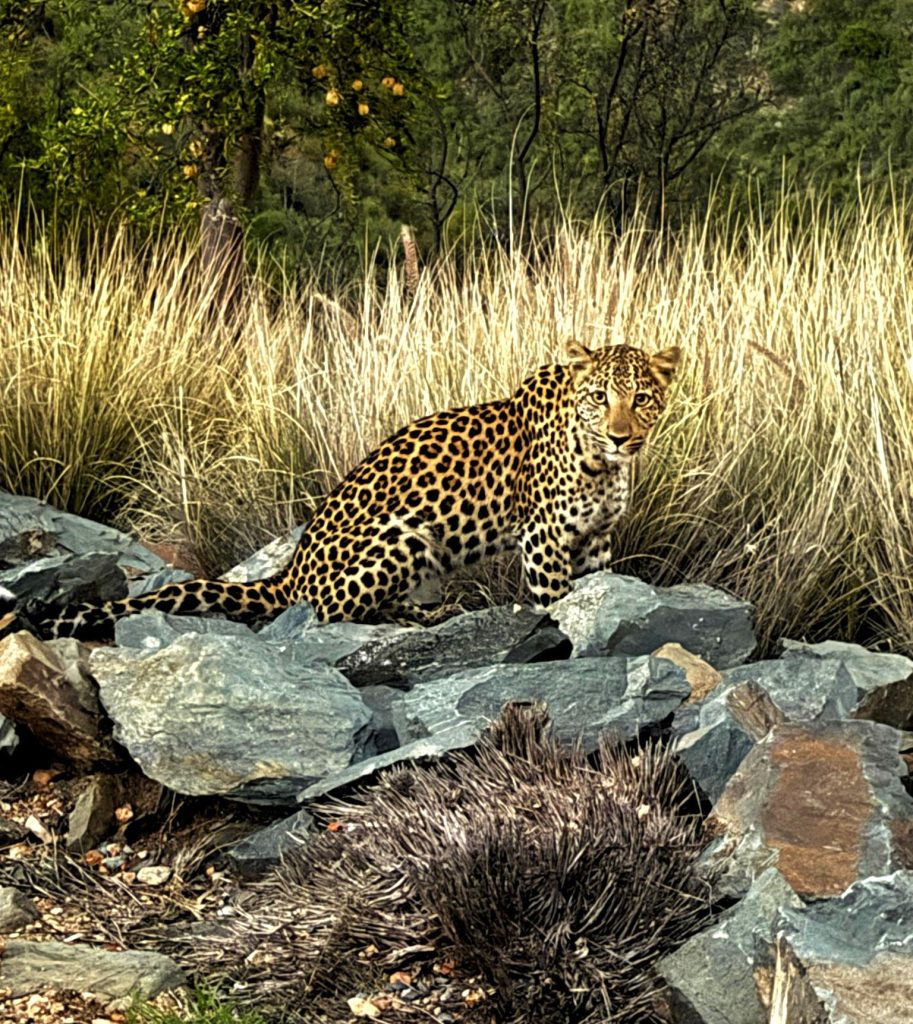
Motorists are reminded of the critical importance of reduced speeds and heightened vigilance on mountain roads bordered by natural vegetation, particularly during dawn, dusk, and night-time hours when leopards are most active.
Multiple threats converging
Beyond road fatalities, Cape leopards face a constellation of threats including habitat loss from urban expansion, wire snares intended for small game, retaliatory killings following livestock predation, and reduced prey populations due to uncontrolled hunting.
Despite their fearsome reputation, the Cape Leopard Trust reports no recorded unprovoked attacks on humans in the Western Cape, with the cats typically avoiding human contact. The trust also recognises that farmer-predator conflict remains a highly emotive issue – both for those who lose livestock as well as for those who are wholly opposed to the destructive and indiscriminate methods of predator control.
The Cape Leopard Trust is a non-governmental conservation organisation, continually monitoring the species across multiple project areas whilst appealing for public assistance in reporting leopard sightings and potential threats.
“Every piece of information helps us understand distribution patterns and implement targeted conservation strategies,” the organisation states, urging the public to remain vigilant for not only leopards but also smaller species like caracals, genets, and porcupines that frequently fall victim to vehicle strikes.
Submit sightings of leopard activity in the Cape provinces – sightings can either be photos of direct observations, camera trap photos, or signs like spoor/tracks, scats/droppings, or scratch marks.


You must be logged in to post a comment.