

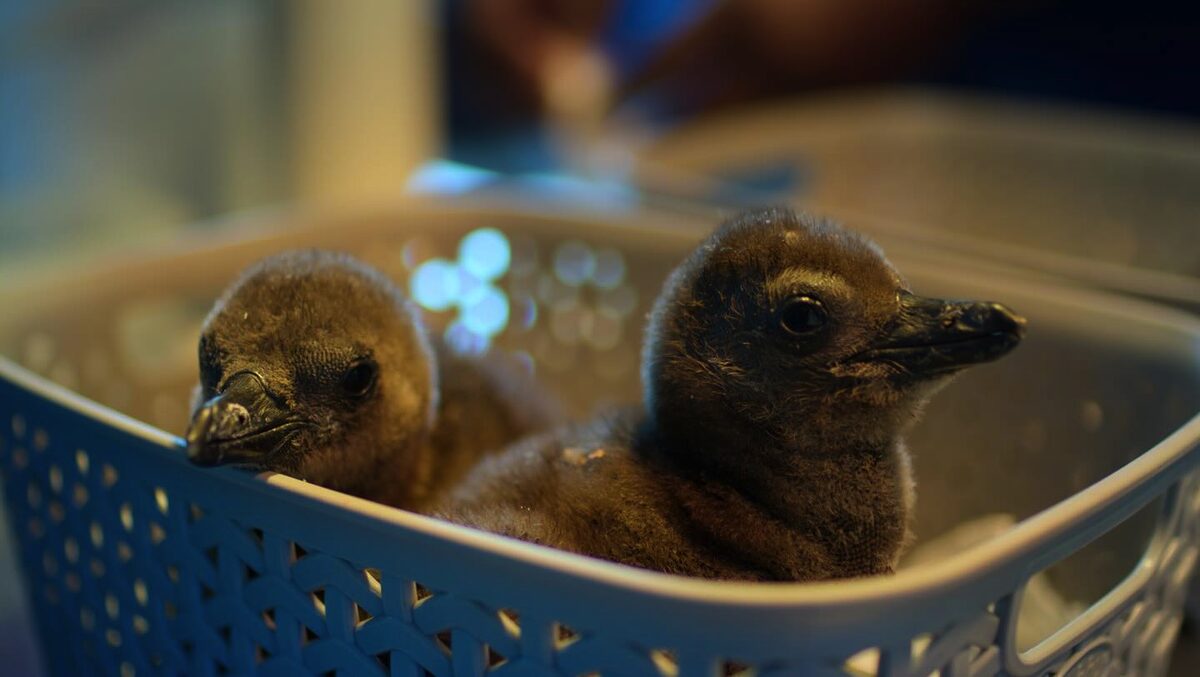
CAPE TOWN – It is a busy and critical time inside the Southern African Foundation for the Conservation of Coastal Birds (Sanccob) Seabird Nursery in Table View, where conservation teams are working around the clock to protect one of the world’s most endangered seabirds. Currently, 17 African Penguin eggs are actively hatching, while another 212 remain in incubation, each one carefully monitored to give it the best possible chance of survival.
From incubation to hatching and intensive chick care every step inside the nursery is precise, measured and constant.

Care begins before hatching
Each egg is weighed daily and assessed for viability through a non-invasive process known as candling. This allows staff to confirm whether an embryo is developing properly and to assess its condition without disturbing the egg.
“Once chicks begin to hatch care intensifies dramatically,” Sanccob said. “Newly-hatched penguin chicks consume approximately 15% of their body weight every day and aim for a daily growth rate of around 10%.”
They are fed and cleaned every three hours, day and night. Feeding volumes and intervals are adjusted daily as the chicks grow and gain weight. Every gram gained is a critical milestone.
The Chick Rearing Unit is staffed by trained personnel and supported by interns, ensuring 24-hour monitoring and hands-on care.
READ MORE: https://tygerburger.co.za/sanccob-tightens-biosecurity-as-bird-flu-threatens-seabirds/
From crisis to dedicated unit
“Sanccob’s chick-rearing programme was strengthened following a mass-abandonment incident in 2006, when large numbers of penguin chicks were left without parental care. In response, the organisation began rescuing and hand-rearing abandoned chicks annually.”
This led to the establishment of a dedicated Chick Rearing Unit in 2011 at Sanccob’s Table View facility. It includes artificial incubators and specialised equipment designed specifically for penguin and seabird rehabilitation.
Since its inception nearly 8,000 chicks have been successfully released back into the wild, along with the rescue of more than 1,000 eggs.

Monitoring nests and stepping in when needed
Through Sanccob’s African Penguin and Seabird Ranger Project nests are monitored in collaboration with conservation authorities.
Intervention takes place when eggs or chicks are abandoned , often due to adult penguins moulting, food shortages or extreme weather conditions. In urban colonies such as Simonstown eggs laid in unsafe areas are rescued and incubated, while adult birds are relocated to safer nesting sites.
“Rangers undergo specialised training at Sanccob, learning the safe collection, handling and transportation of eggs and chicks. Improper handling can cause serious harm, making strict adherence to protocol essential.”

A vital strategy for survival
The African Penguin is classified as critically endangered, and Sanccob’s work directly supports the African Penguin Biodiversity Management Plan. Chick hand-rearing is recognised as a vital conservation strategy to help stabilise and boost the wild population.
After three to four months of intensive care the young penguins are strong enough to be released back into their natural habitat, a hopeful return made possible by months of dedication.
Inside the Table View nursery, every feeding, every weigh-in and every successful hatch represents more than routine care. It represents a second chance for a species fighting for survival, one chick at a time.


