

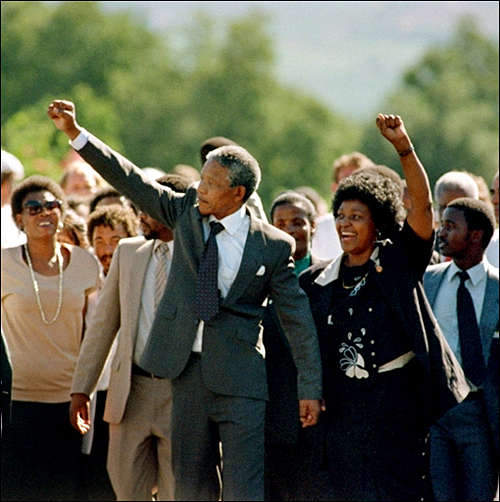
The whispers started in January 1990. Working in the newsroom of a Johannesburg daily newspaper, we heard murmurs that something significant was about to happen. Then, on 2 February, president FW de Klerk delivered his ground-breaking speech, unbanning political organisations and unions, and announcing that Nelson Mandela would be released unconditionally. No date was however given at that stage.
And so, we waited.
A week later, I received the call late one Saturday afternoon from my news editor. Mandela was to be released the next day. There was a seat for me on a flight to Cape Town departing in one hour. I packed an overnight bag in five minutes, grabbed my camera equipment, and left.
The press had been told that Mandela would walk out of Victor Verster Prison at 10:00 on Sunday morning. I woke early and headed for Paarl, my home town. From the N1, I drove towards the prison on the Wemmershoek Road. Even now, when I drive that route, which is often, the memories return.
The road was closed several kilometres before Victor Verster, more or less where the turn off to Val de Vie is today. It was a 30-minute brisk walk to the gates in the searing February heat.
At the prison entrance, I recognised fellow photographers from Johannesburg. We positioned ourselves, ready for the moment we had been waiting for.
Ten o’clock came and went. Then 11:00. Then 12:00.
The sun beat down relentlessly. At one point, I felt faint from the heat. But we stood there, without water or shade, afraid to move even a step in case we missed the moment.
At around 15:00, the gates finally opened.
Nelson Mandela emerged hand-in-hand with his then wife Winnie, both raising their fists triumphantly in the air. The crowd roared. We photographers surged forward, only to be pushed back by security guards.
Within seconds, he climbed into a car and was driven away.
I sprinted back to my vehicle, rushed to Cape Town Airport to send my film rolls to Johannesburg, then headed to the Grand Parade to witness his first public address as a free man.
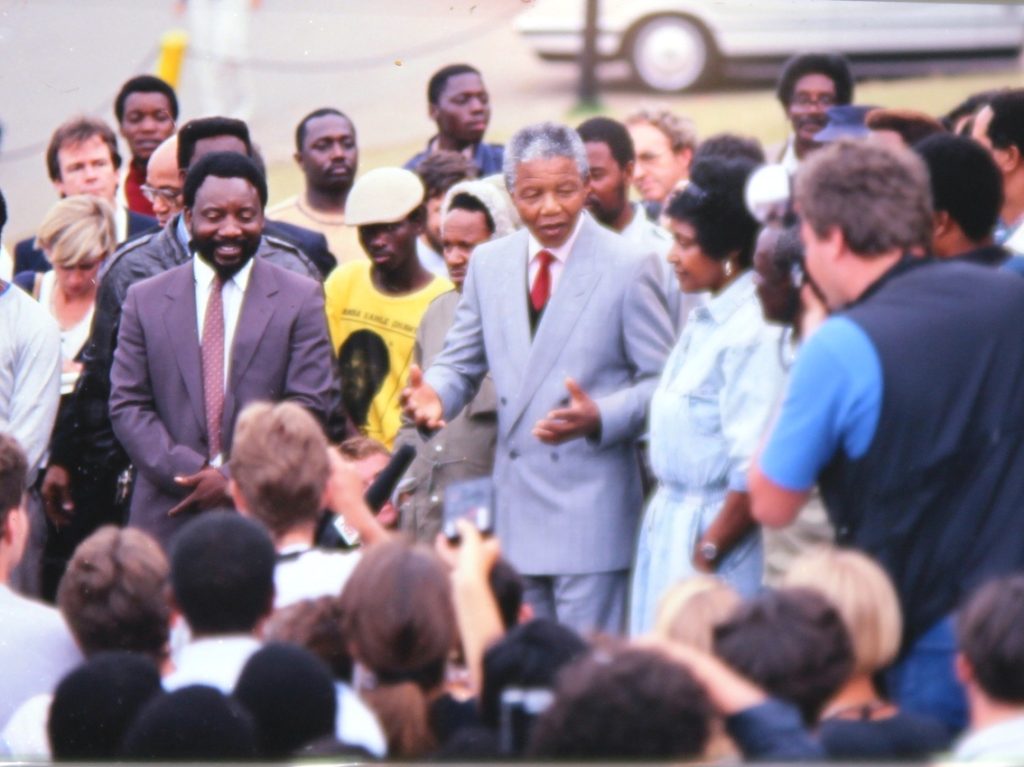
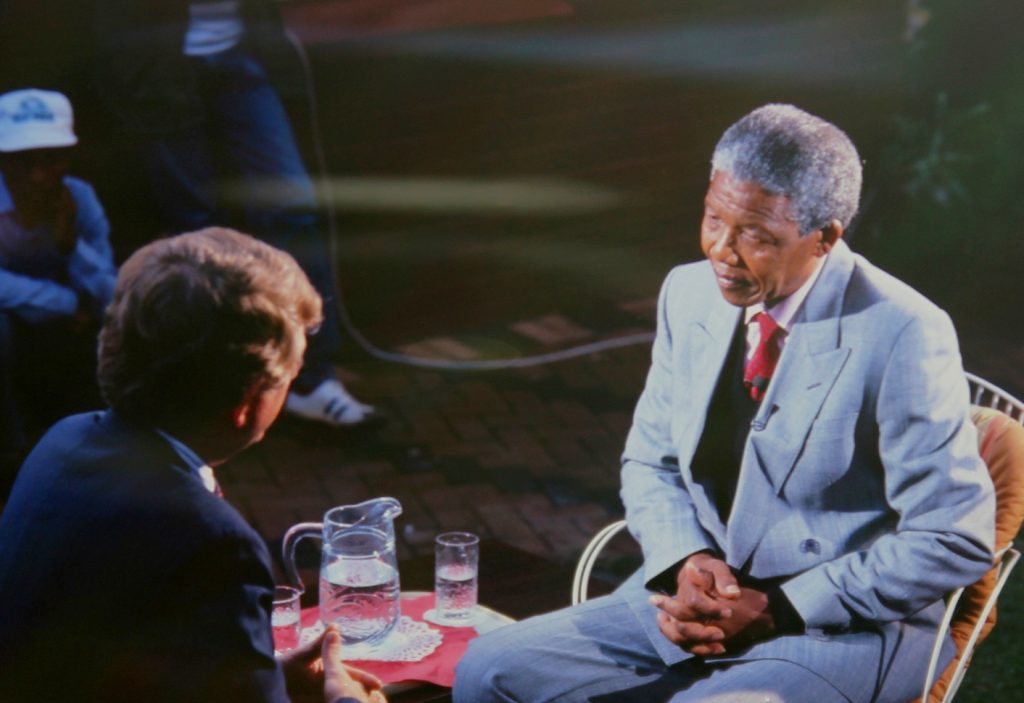
The next day brought his first press conference at the residence of Desmond Tutu in Bishops Court. That evening, I flew back to Johannesburg. The following weeks were spent mostly in and outside his humble home on Vilakazi Street in Soweto, where he welcomed state leaders from across the world, clergy, celebrities and more.
For years after that, I would occasionally bump into Madiba at official functions. He would always have time to greet with a quick chat, a friendly smile, and always a twinkle in the eye. Unlike the leaders that followed him, he remained humble and respectful towards all.
The date 11 February 1990 has been etched into history. I am proud to have been there to witness that moment.
Three decades later, on the 30th anniversary of Mandela’s release, I returned to the site of his freedom. On that day in 2020, also a sweltering hot February morning, I participated in the 27 For Freedom Race, running 27 kilometres at Victor Verster Prison, one kilometre for every year he spent incarcerated. It was a personal highlight, a way to honour both the memory of that historic day and the resilience of a man who changed the course of a nation.
ALSO READ: Run for Mandela at the 27 for Freedom race in the Cape Winelands


You must be logged in to post a comment.