


GQEBERHA – Forty-two birds — 38 hens and cocks, three geese and one Muscovy duck — have been rescued from two spaza shops in Korsten where they were allegedly being kept in illegal abattoir conditions, raising serious concerns about both animal welfare and public health.
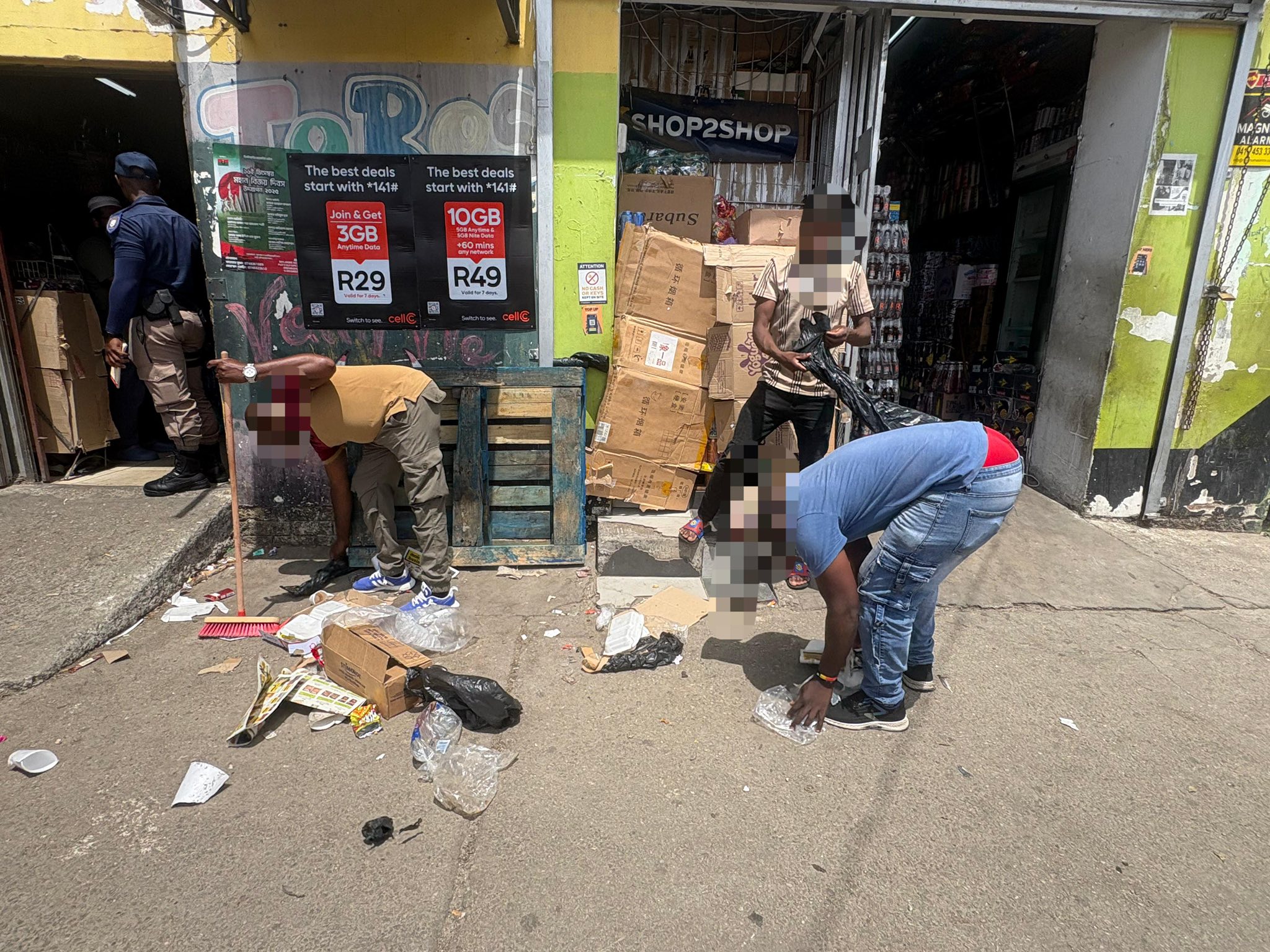
The rescue took place during a joint municipal compliance operation conducted at spaza shops in the area on Wednesday, 4 February.
According to the Animal Anti-Cruelty League PE (AACL PE), the birds were found in “filthy, dark, overcrowded cages of neglected birds” during inspections at the shops.
AACL PE spokesperson, Karien van Schalkwyk, said the birds were being kept for slaughter and sale to the public in contravention of the Meat Safety Act.
“The birds were kept in two shops for slaughter, food consumption and sale of meat to the public. Illegal abattoir operations, contravening the Meat Safety Act, meaning the abattoir is not registered, and no meat safety inspector inspects the quality and safety of meat sold,” she said.
She warned that consuming meat from illegal abattoirs carries significant health risks.

“People must be cautious when consuming the meat as it is often cheaper but no meat inspector has confirmed that healthy animals are slaughtered. The meat might be contaminated,” Van Schalkwyk said.
Without veterinary oversight and formal inspection, there is no guarantee that animals are disease-free, slaughtered hygienically or that the meat has been handled, stored and transported under safe conditions.
This increases the risk of foodborne illnesses and the potential spread of disease to unsuspecting consumers.
Van Schalkwyk added that while some of the birds were in poor physical condition, the living conditions for all were appalling.
“Some cages were so low that the birds could not stand up. Overcrowded conditions cause discomfort and stress, and often fighting, especially to get to limited water and food sources. These living conditions are unnatural as they cannot display normal behaviour and have limited space and movement. No natural sunlight.”
She further highlighted the cruelty associated with illegal slaughter practices.
In registered abattoirs, animals are pre-stunned to render them unconscious before slaughter. “In these illegal abattoirs, the birds’ necks are slit when they are fully conscious,” she said. “Often knives are not sharp enough and this causes severe pain and suffering when the bird’s neck is being sawn into repeatedly, often also by people who have no knowledge or training to slaughter humanely.”
AACL PE confirmed that the rescued birds have since been relocated to safe homes, where they will live as pets rather than be used for food.
“Thanks to our inspectors, life for these birds will now be much better at their new homes, where they will be free to spread their wings and live as pets, not food,” the organisation said in a statement, thanking Metro SAPS and health inspectors for their support.
The joint compliance operation was led by the MMC for Economic Development, Tourism and Agriculture, Bassie Kamana, together with Nompumelelo Mrubata and Ward 11 Councillor.

It was carried out in conjunction with officials from SAPS, Safety and Security, Town Rangers, Building Inspectors, Waste Management, the Department of Forestry, Fisheries and the Environment (DFFE), a Fire Safety Officer, Budget and Treasury, Community Liaison Officers, Metro SAPS and health inspectors.
The operation resulted in several enforcement actions, including a R5 000 fine for the sale of non-saleable species, 18 fines for road user and vehicle-related offences, unregistered licences and unlicensed permits, and 12 municipal by-law fines for other regulatory contraventions.
Meanwhile, non-saleable species valued at R14 900 were confiscated, livestock was removed and warning letters were issued.
“No arrests were made, as all business documentation checked was found to be compliant,” the municipality said, adding that where non-compliance is identified, it works with SAPS and Immigration to effect arrests.
Members of the public are encouraged to report suspected illegal abattoirs to their nearest animal welfare organisation, the Department of Health or Metro SAPS.


You must be logged in to post a comment.