

Researchers at the University of the Western Cape have gathered to examine 10 years of Netflix in South Africa, questioning whether the streaming giant has strengthened local storytelling or introduced a new form of digital colonialism.
The symposium, held from 27 to 28 January, comes as the Canal+ acquisition of MultiChoice raises fresh concerns about the growing dominance of global media platforms in South Africa.
The event was hosted by the UWC Chair in Media Inclusion and Diversity, a joint initiative led by Associate Prof Sisanda Nkoala from the Linguistics Department and Prof Leo van Audenhove, a professor at Vrije Universiteit Brussels and an extraordinary professor at UWC. The partnership is designed to address media inclusion in the Global South.
Attendees at the hybrid symposium included researchers from local and international universities as well as practitioners in the audiovisual sector.
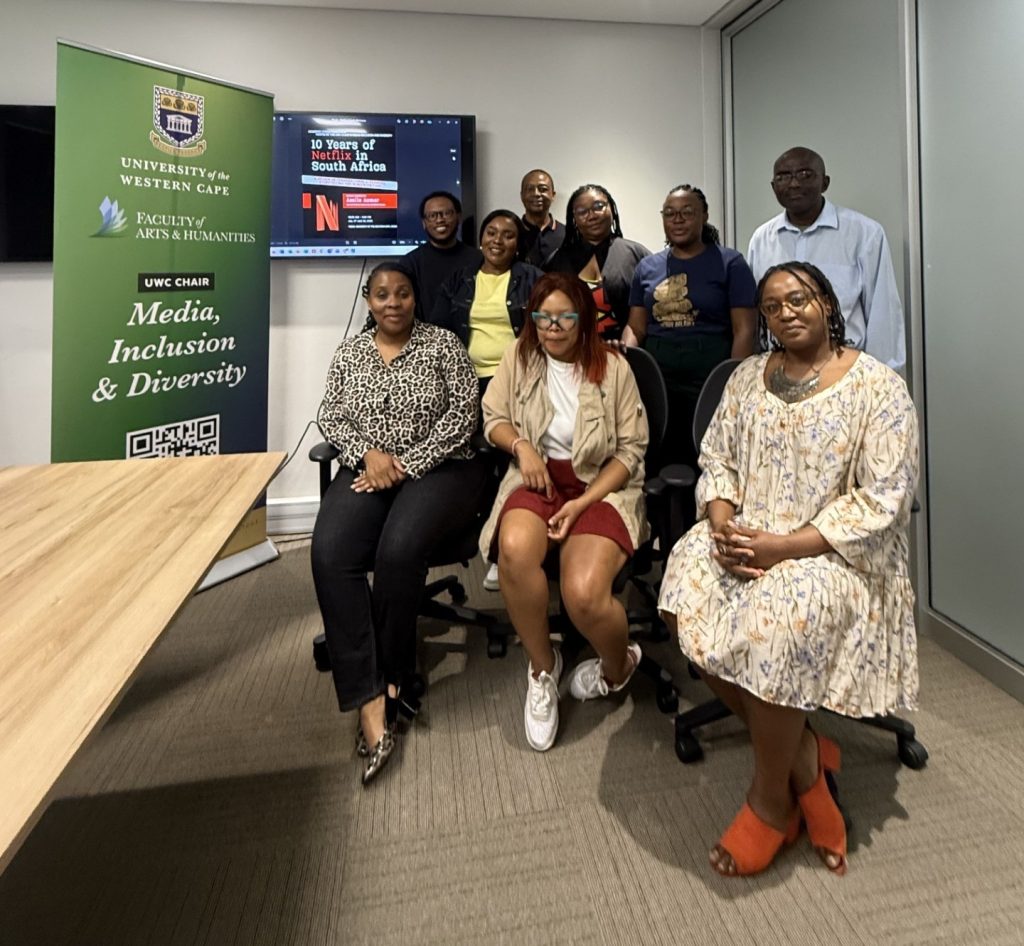
“We are asking the tough questions: Who is seen, who is heard, and who is being ‘coded out’ of our contemporary cultural archive?” said Prof Nkoala in her opening remarks.
Netflix entered the South African market in 2016, initially offering predominantly international content. The platform later began investing in local productions including Queen Sono, Blood & Water, and How to Ruin Christmas.
Prof Van Audenhove said the research examines how global streaming patterns manifest in South Africa compared to European markets.
“We have been following closely what is happening in streaming, who the different players are and what it means for European production and culture,” he said. “We then thought, but we don’t know that much about what’s happening, actually, in South Africa.”
The $3.2 billion Canal+ acquisition of MultiChoice has raised questions about cultural sovereignty and whether a French-owned conglomerate will prioritise local content needs. The merger creates a Pan-African media giant, given Canal+’s existing dominance in Francophone Africa.
Symposium presenters, including VUB researcher Axelle Asmar who delivered the keynote address, highlighted that the digital divide remains a barrier to streaming access in South Africa. High data costs and limited broadband infrastructure in rural areas mean the streaming revolution has not reached all South Africans.
“We are not just looking at content; we are looking at the ‘hard’ infrastructure of access,” said Prof Nkoala. “We must grapple with the fact that limited broadband penetration and high data costs continue to constrain uptake.”
The project aims to present South African perspectives at the International Communication Association conference in Cape Town in June. A dedicated panel has been accepted for the event.
The UWC MID Chair is supervising students researching digital media structures. Carin Hector, a second-year Master’s student in the Linguistics Department, presented at the symposium on race and gender in South African algorithms.


You must be logged in to post a comment.