

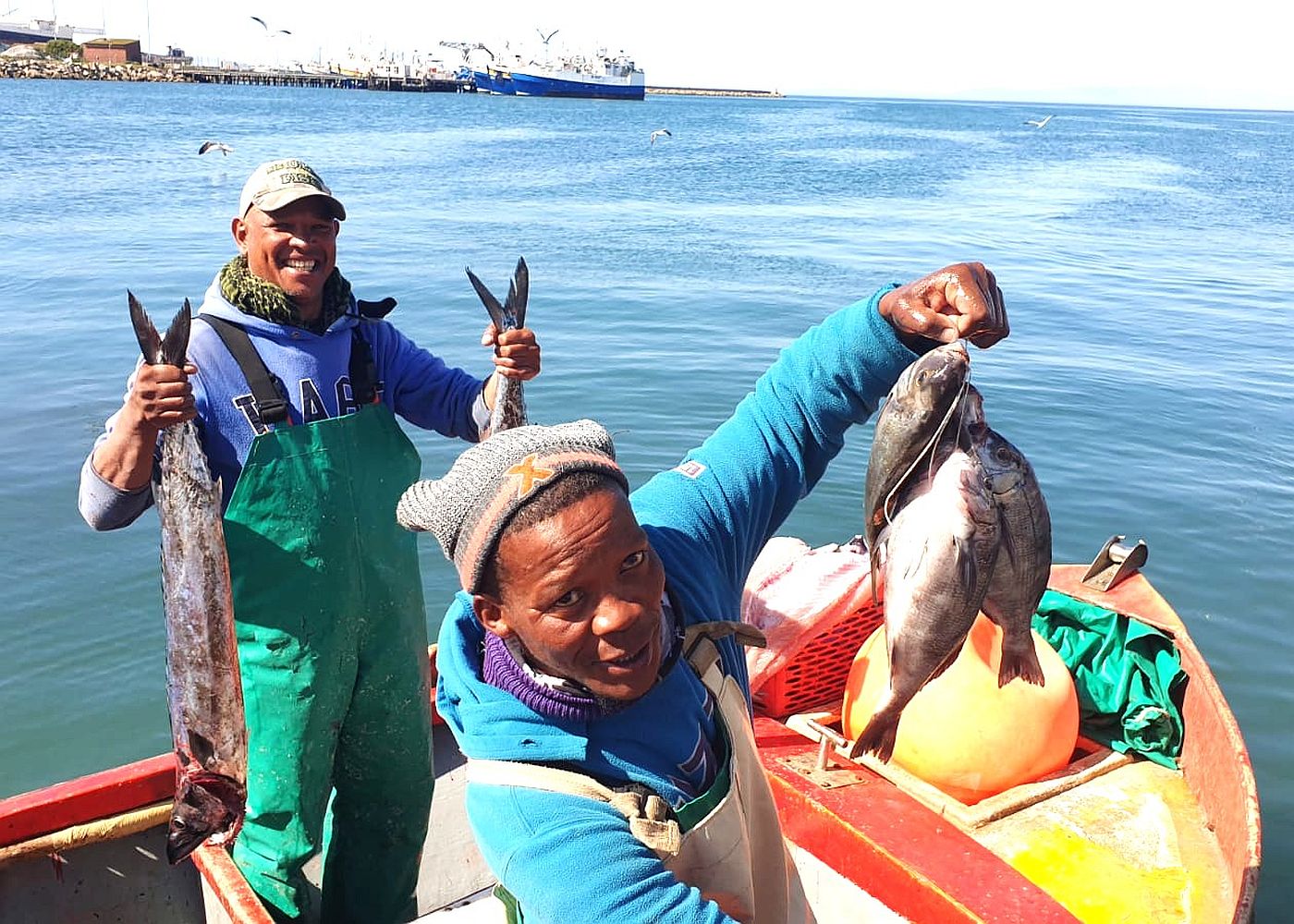
An environmental justice organisation has called on the South African Human Rights Commission to address systemic inequality facing small-scale fishing communities, as the commission prepares to examine structural failures in the country’s food systems.
The Green Connection submitted its formal input to the SAHRC’s National Investigative Hearing into South Africa’s Food Systems, highlighting how thousands of fishers along the country’s 3 000 km coastline remain food insecure despite harvesting marine resources.
“Food and the systems we put in place to produce it cannot be separated from human dignity, livelihoods and cultural rights,” said Khetha Buthelezi, economics officer at The Green Connection. “For small-scale fishing communities, food from the ocean is not merely a commodity – it is a foundation of identity, survival and social cohesion.”
The commission’s inquiry will examine why hunger persists despite adequate national food production, focusing on concentration of power in the food value chain, affordability and access, land and tenure security, and policy coordination. The SAHRC has extended the deadline for written submissions to 27 February, with hearings scheduled for March during Human Rights Month.
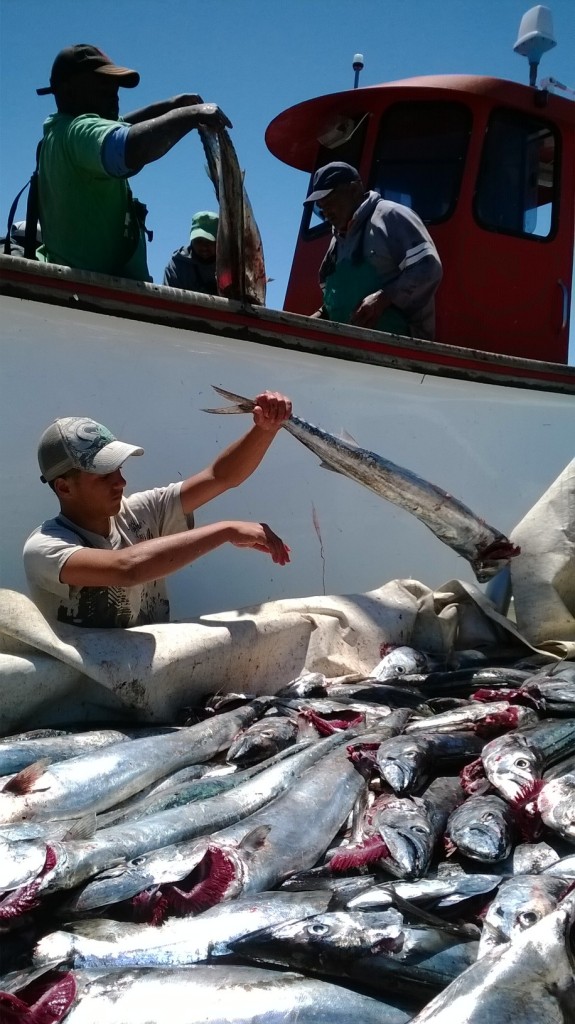
According to Buthelezi, who leads The Green Connection’s Koeksister Project, approximately 28 000 small-scale fishers rely on marine resources for livelihoods and food security, based on a 2019 master’s study. Yet many remain excluded from markets and marginalised in decision-making processes.
“When policies favour large commercial interests and industrial operators, inequality can deepen and local food security may weaken,” he said. “If the people harvesting food cannot access affordable and nutritious food themselves, the system is fundamentally unjust.”
The organisation argues that poor implementation of the Small-Scale Fisheries Policy, limited market access, inadequate infrastructure and weak consultation processes continue to undermine the sector. Women make up less than 30% of participants and remain under-recognised, whilst young people leave coastal communities due to declining economic prospects.
The Green Connection also raised concerns about offshore oil and gas expansion under Operation Phakisa, warning that seismic surveys, drilling and increased shipping activity threaten fish stocks and may restrict access to traditional fishing grounds.
Coastal voices highlight exclusion
Small-scale fishers from coastal provinces described systemic barriers preventing them from earning a living.
Walter Steenkamp, speaking on behalf of the Aukotowa Small-Scale Fishers Co-operative in Port Nolloth, Northern Cape, said many fishers had no income at all last year. “Lobster prices have dropped way below what we used to earn, and after we’ve paid for transport, holding tanks and packaging, there is little to nothing left for us,” he said.
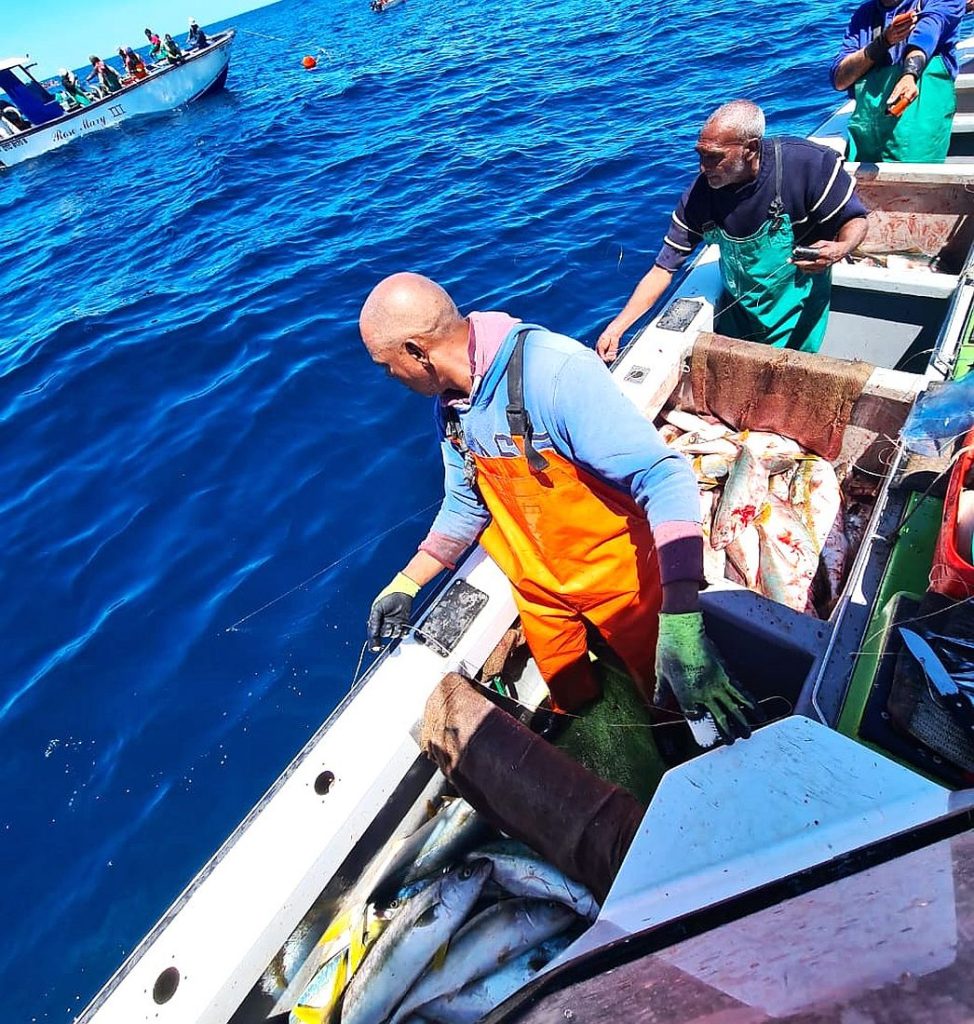
Steenkamp said decisions are often made without consulting fishers, and some permits are now questioned after years without warning. “We hope this inquiry will result in the recognition of our customary rights, the return of our fishing grounds, and for government to listen to those of us who live from the sea.”
Deborah De Wee from Spirit of Endeavour Small Scale Fisher Co-operative in Doring Baai, Western Cape, said women have been excluded from crayfish permits. “For the past two years, fisher women in Doring Baai have had no income, leaving families vulnerable and increasing hunger,” she said.
Kristie Links from Sal-Diaz Small-Scale Fisher Co-operative in Saldanha Bay said near-shore access has been reduced despite government claims of increased allocations. “Small-scale fishers are forced to use bigger boats, which we cannot afford, and the areas we are given have little or no fish. Yet industrial boats continue to overfish, especially at night, while our communities struggle to put food on the table.”
Emelin Mitchell from Eden Small-Scale Fishers and Rasta Community in Mossel Bay said permits, licences and support have been promised since 2016 but never delivered. “While farmers receive land, tools and funding, we feel that we are being excluded,” she said.
Reinette Melisa Pullen from Moeg Gesukkel Visserye Co-operative in Eastern Cape said most income comes from squid permits, but commercial boat owners catch much of the squid, leaving small-scale fishers with only a small percentage. “Market prices are controlled by buyers and middlemen, leaving us small-scale fishers with barely enough income to cover our most basic needs,” she said. “Fish is perishable, but our lives are not disposable.”
Buthelezi said coastal communities are demanding justice rather than charity. “If South Africa is serious about tackling hunger and inequality, it must ensure food systems governance is transparent, inclusive and accountable,” he said.



You must be logged in to post a comment.