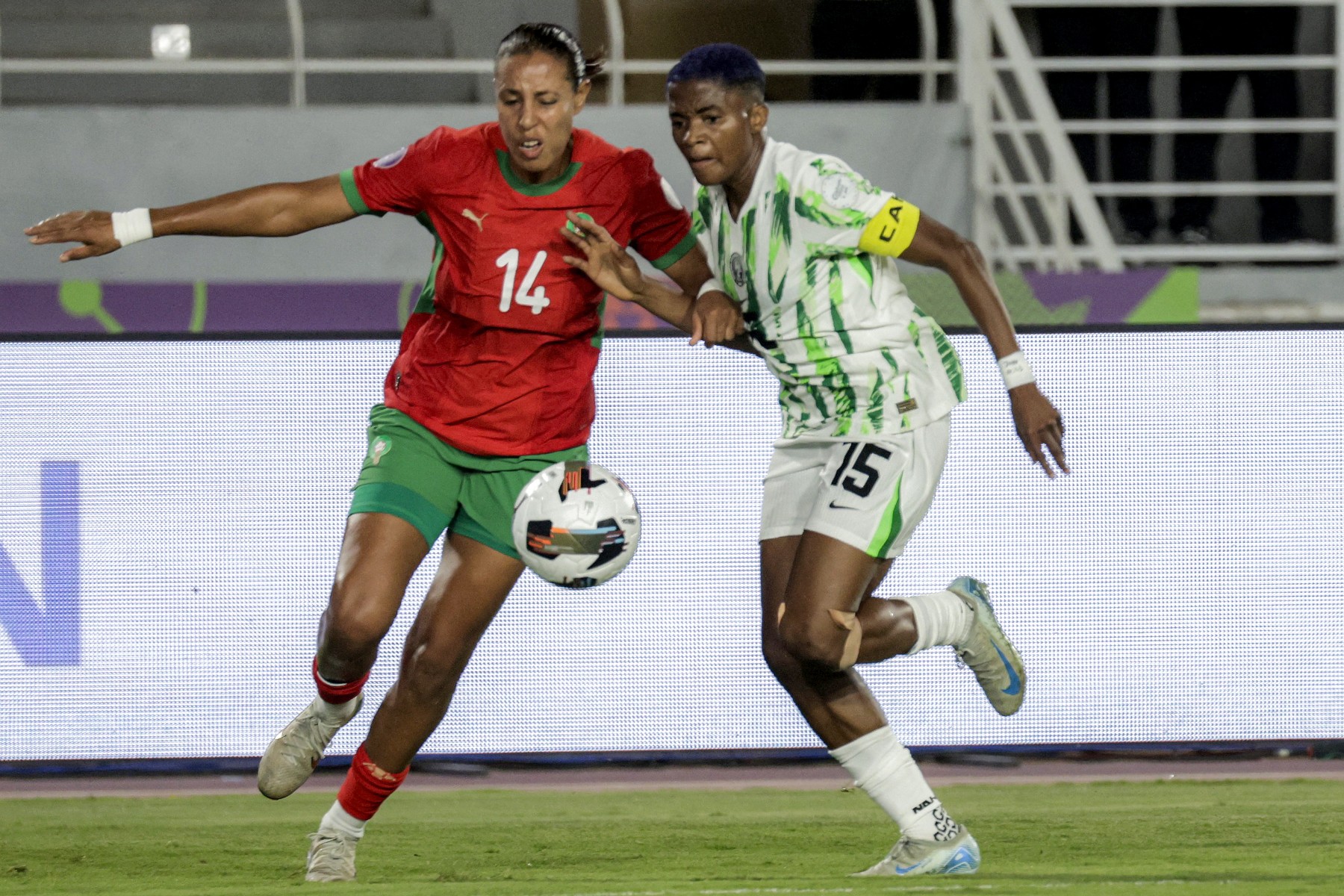
Just 43 days before kick-off, the 2026 Women’s Africa Cup of Nations has descended into chaos after Morocco withdrew as host and contradictory statements from South African officials has left the tournament’s future in doubt.
Morocco pulled out of hosting duties for the expanded 16-team tournament, scheduled to begin on 17 March, following fallout from the chaotic 2025 men’s AFCON final. The North African nation had hosted WAFCON in 2022 and 2024 and was poised to become the first country to stage the event three consecutive times.
The withdrawal sparked confusion when South Africa’s deputy sports minister Peace Mabe announced at an awards ceremony on Sunday that her country would step in as replacement host. “When Morocco said ‘We are not able to host’, South Africa, we said ‘Yes, we are available’. We are going to take it,” Mabe told SABC Sport.
However, sports minister Gayton McKenzie swiftly issued a clarifying statement contradicting his deputy, insisting Morocco “remains the officially designated host” of WAFCON 2026. McKenzie emphasised that “no formal decision has been taken to relocate” the tournament and that Mabe’s remarks “do not constitute a formal confirmation or assumption of hosting responsibilities.”
The minister confirmed South Africa has “expressed its willingness to support CAF if required, should alternative hosting arrangements for the 2026 WAFCON become necessary,” but stressed the Confederation of African Football “has not yet triggered any alternative hosting process.”
CAF has yet to issue an official statement clarifying the tournament’s status.
Morocco’s withdrawal presents CAF with a significant challenge, particularly given few nations have expressed interest in staging WAFCON, which attracts far fewer supporters than the men’s equivalent. Morocco has invested heavily in footballing infrastructure as it builds towards co-hosting the 2030 FIFA World Cup.
Should South Africa officially assume hosting duties, the nation would face a formidable logistical challenge despite possessing 13 CAF-approved stadiums. The tournament, which runs from 17 March to 3 April, also serves as the qualifying pathway for the 2027 Women’s World Cup.