

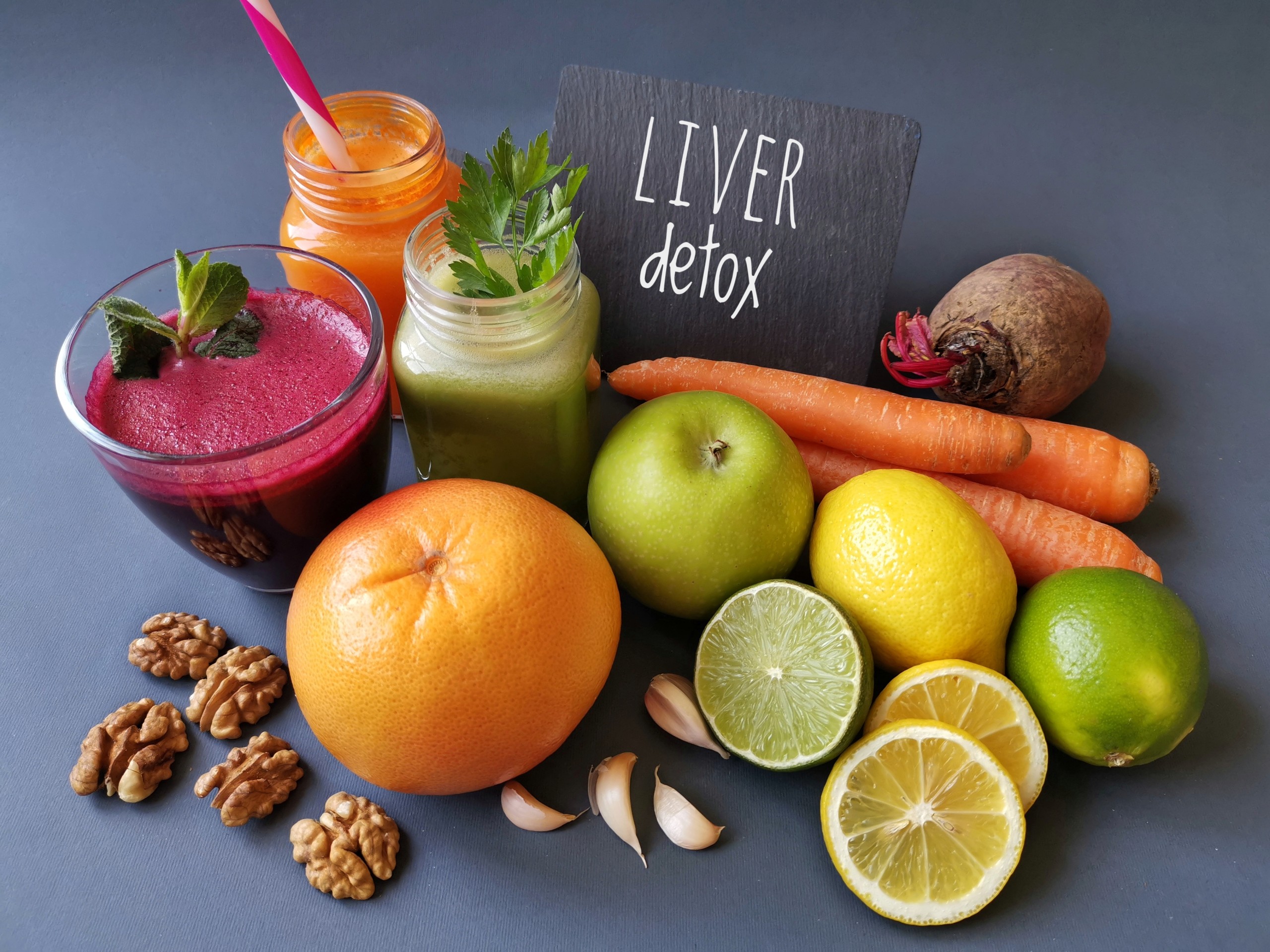
While January detox diets flood social media feeds and supplement shelves nationwide, a prominent South African dietitian is sounding the alarm about an industry worth billions that she claims lacks credible scientific backing.
New research reveals that approximately 26% of consumers have tried juice cleanses or detox programmes, according to a study published in Nutrients. The findings, though United States-based, reflect trends observed across countries with established wellness industries, including South Africa, experts suggest.
This seasonal surge in detox culture coincides with significant consumer spending. January consistently ranks as a peak sales period for detox supplements, with products marketed around liver support, digestion and cleansing.
The global detox market is forecast to surge from approximately USD 40,7 billion in 2025 to more than USD 72,6 billion by 2035.

Evidence lacking
However, registered dietitian Aziwe Booi, renowned for her evidence-based nutrition advice, argues the entire premise is fundamentally flawed. “There is no credible scientific evidence that detox diets remove toxins or provide lasting health benefits,” she states.
“The human body is naturally equipped with highly efficient elimination systems – primarily the liver, kidneys, lungs and digestive tract – that continuously remove waste without the need for special regimes or products.”
The research published in Nutrients actually contradicts popular detox claims, finding that a three-day juice cleanse increased markers of inflammation and altered gut bacteria in ways associated with poorer digestive health.
Booi warns of potential dangers lurking in the largely unregulated supplements industry: “Many products marketed for weight loss, cleansing or detoxification often contain ingredients with laxative effects. Long-term use of such substances can be dangerous and may lead to dehydration and, in severe cases, hospitalisation.”
A key issue, according to Booi, is the vague terminology employed by wellness marketers. “The term ‘toxins’ is rarely defined in wellness marketing, with many detox plans failing to specify what is being removed, how it would occur or whether those substances are harmful at typical dietary exposure levels,” she explains.
“Detox diets tend to oversell the idea that we need to purge our bodies after a few days of celebration. In reality, your body is already detoxifying around the clock.”

South African alternative
For those seeking post-holiday wellness support, Booi champions a more measured approach, highlighting rooibos tea as a scientifically credible alternative to expensive detox products.
“Rooibos doesn’t promise a quick fix – it supports everyday hydration and balance, which is far more sustainable,” she explains. “This is where rooibos – consumed either as an iced tisane or served as a warm beverage – can be a flavourful alternative with additional health benefits.”
Research supports rooibos’ credentials, with studies linking the naturally caffeine-free beverage to antioxidant activity, reduced oxidative stress, and improvements in cardiovascular and metabolic markers.
Emerging gut-health research suggests it may help protect the intestinal barrier and reduce inflammation.
ALSO READ: Rooibos tea shows promise against breast cancer in South African research study
Sustainable habits over quick fixes
Rather than restrictive cleanses, Booi advocates for what she terms an “abundance mindset”, focusing on healthy additions rather than eliminations. “Instead of chasing the next trending cleanse, focus on habits you can actually sustain,” she says.
She offers a simple health checklist to help build lasting habits:
- Stay hydrated: this includes beverages like rooibos.
- Eat fibre-rich meals by prioritising darker, whole-food starches.
- Choose nutrient-dense options, such as colourful fruit and vegetables every day.
- Include lean protein sources like chicken, lean meat, eggs, fish, beans and legumes.
- Prioritise plant-based fats, such as nuts, seeds, avocado and nut butter.
- Make physical activity part of your daily routine.
- Get enough rest, aiming for seven to nine hours of quality sleep sets you up for success.
“Consistency with these habits is what truly supports long-term health,” Booi adds. “This year’s wellness reset should emphasise re-establishing healthy routines rather than chasing quick fixes. Sustainable habits, not extreme regimes, support long-term well-being.”
As January’s detox marketing reaches fever pitch, her message is clear: “If any product is being sold promising anything that sounds too good to be true? It probably is.”
*Aziwe Booi is a registered dietitian, media nutrition expert and wellness practitioner advocating for evidence-based, practical nutrition solutions.


You must be logged in to post a comment.