NELSON MANDELA BAY – Burst water mains, leaks and crumbling infrastructure are intensifying Nelson Mandela Bay’s water crisis, with the metro consuming 380 million litres daily against a target of 280 million litres whilst effective dam levels plummet to just 39.10%.
The municipality faces a backlog of approximately 2,000 minor leaks as ageing pipes continue losing water resources into storm drains and streets, compounding an already dire situation that leaves the metro with only 246 days of water supply remaining.
Municipal spokesperson Sithembiso Soyaya acknowledged the dual pressures facing the water-scarce metro.
“Water losses through leaks do place additional pressure on an already constrained system. The current reported backlog is approximately 2,000 minor leaks and while internal capacity exists to address these daily, additional augmentation will assist in reducing turnaround times.”
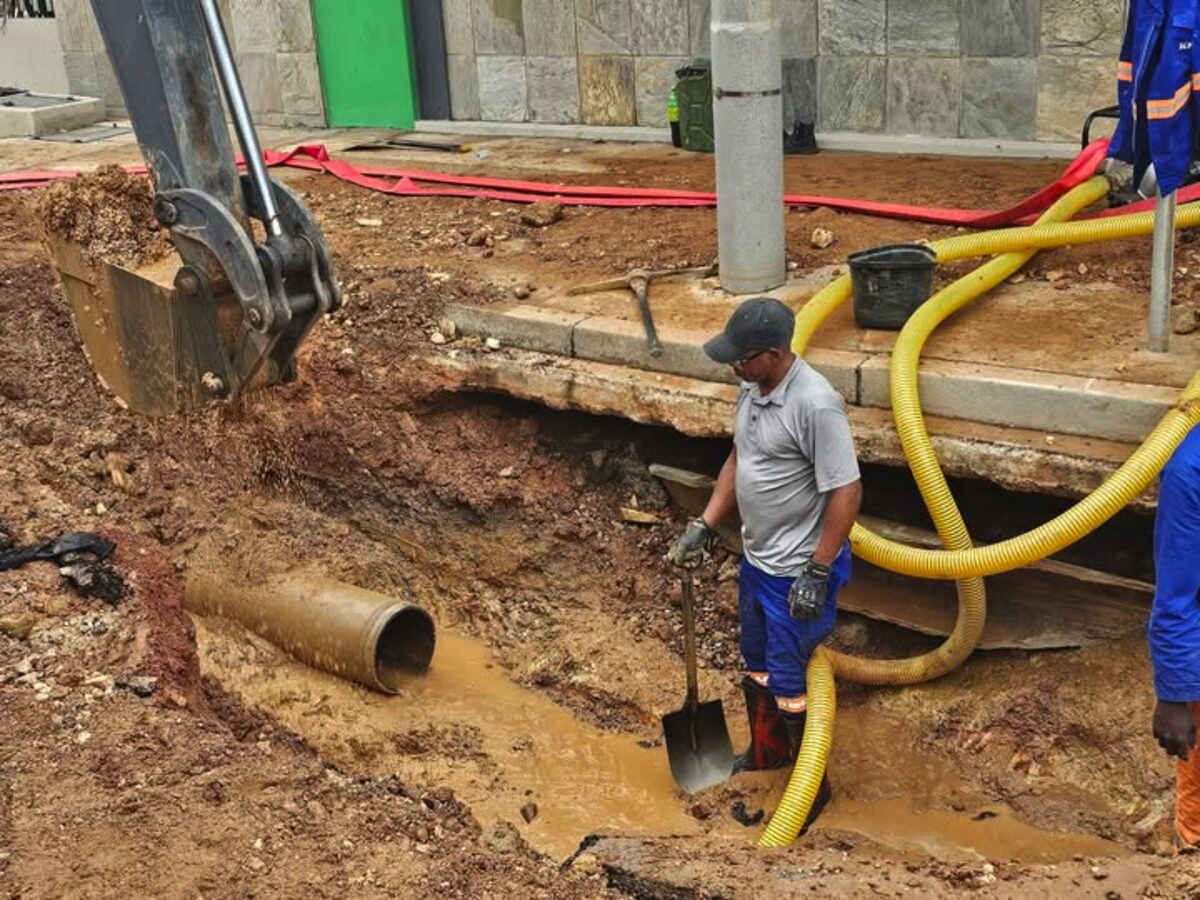
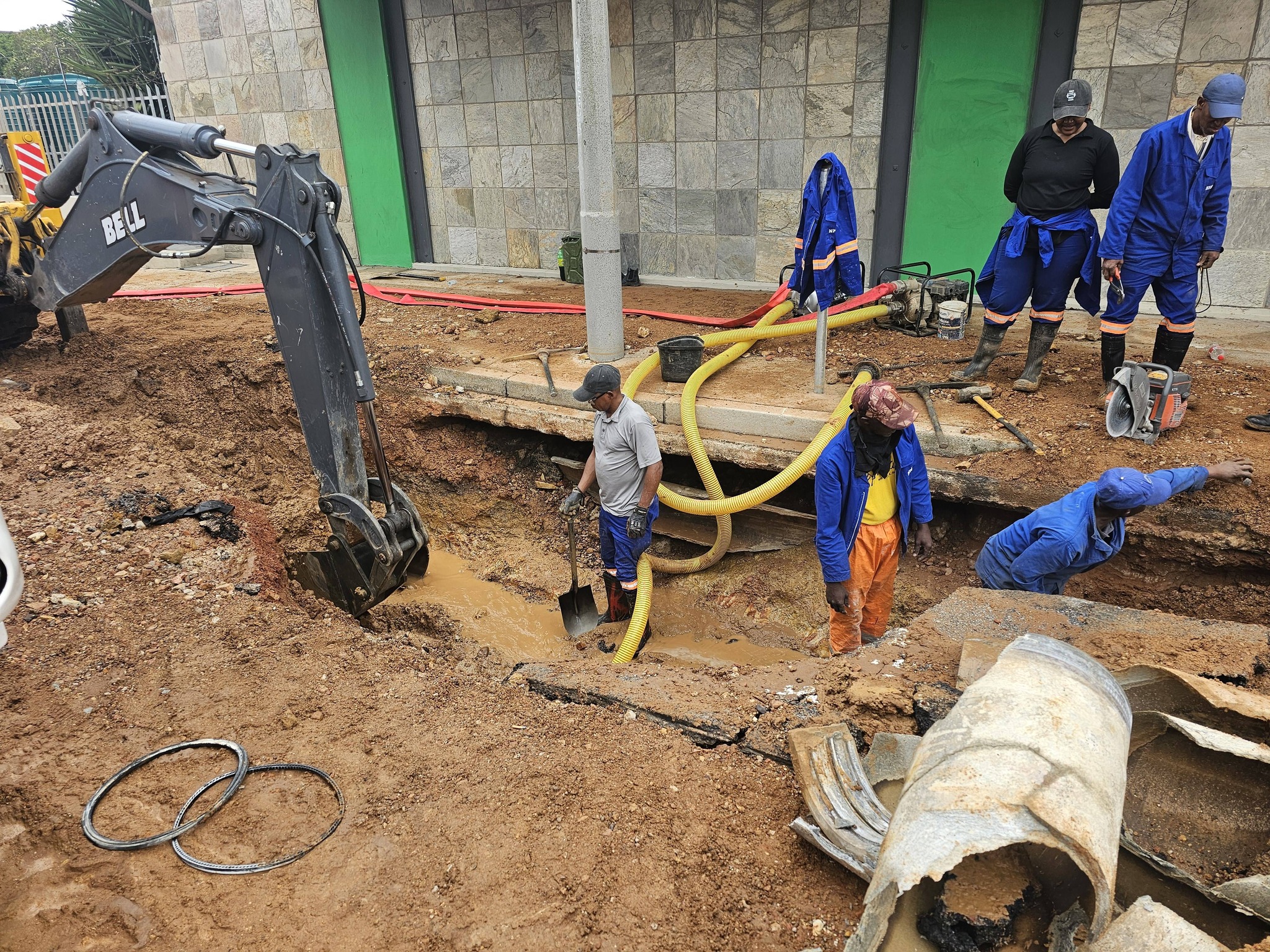
Recent infrastructure failures have highlighted the scale of the problem. Ward 2 councillor Sean Tappan reported a major pipe burst at Brighton and 5th Avenue that “flooded the streets and water streamed into the storm water drain out to sea,” whilst Newton Park experienced river-like flooding from burst mains.
“When there are big bursts, turnaround time is good 12 hours. But still water is wasted,” said Tappan, who criticised the municipality’s reactive approach.
“The infrastructure is extremely old. When it comes to spending money to fix the infrastructure, under R1 billion was returned to treasury because it was unspent in the financial year.”
Tappan warned that drought conditions are deteriorating: “We say residents must use water sparingly and drought is coming again but if the municipality upgraded the infrastructure it would fix 30 to 40 percent of the problem.”
The municipality’s water supply situation is critical.
“As of 16 January, the combined storage across the Metro’s dam system stands at 48.09%, but once dead storage is accounted for, the actual available water is approximately 39.10%, equating to about 110,086 megalitres,” explained Soyaya.
“This distinction is critical, as not all water stored in dams is accessible for abstraction and use. For example, while Groendal Dam is relatively strong at over 89% storage, the Kromme system dams (Churchill and Impofu) which supply a significant portion of the Metro, have far lower effective yields due to both lower storage and abstraction restrictions imposed by the Department of Water and Sanitation.”
Soyaya clarified the distinction between natural drought conditions and infrastructure problems.
“Droughts are caused by prolonged periods of below-average rainfall, higher temperatures and broader climatic patterns that reduce inflows into dams and catchment systems. Water leaks or ageing infrastructure do not cause droughts; they affect the efficiency with which available water is distributed once it has already entered the system.”
The municipality is working to address infrastructure challenges, though progress has been delayed. “The previous water leaks tender expired at the end of September 2025 and a new tender has been awarded and is currently at the objection stage,” said Soyaya, noting the process should conclude within four weeks.
Meanwhile, internal teams continue daily repairs across the metro.
“Water services continue to be delivered primarily through the Municipality’s internal workforce. Internal teams are repairing leaks on a daily basis,” Soyaya confirmed.
However, Soyaya stressed the interconnected nature of the crisis: “Water resilience in Nelson Mandela Bay depends on a clear understanding of the challenges, responsible consumption, ongoing infrastructure maintenance and long-term planning to manage the realities of a water-scarce environment.”
The Nelson Mandela Bay Business Chamber has responded to the water crisis by relaunching water-saving initiatives.
CEO Denise van Huyssteen described a “perfect storm” of declining dam levels, infrastructure failures wasting over half of treated water and soaring consumption.