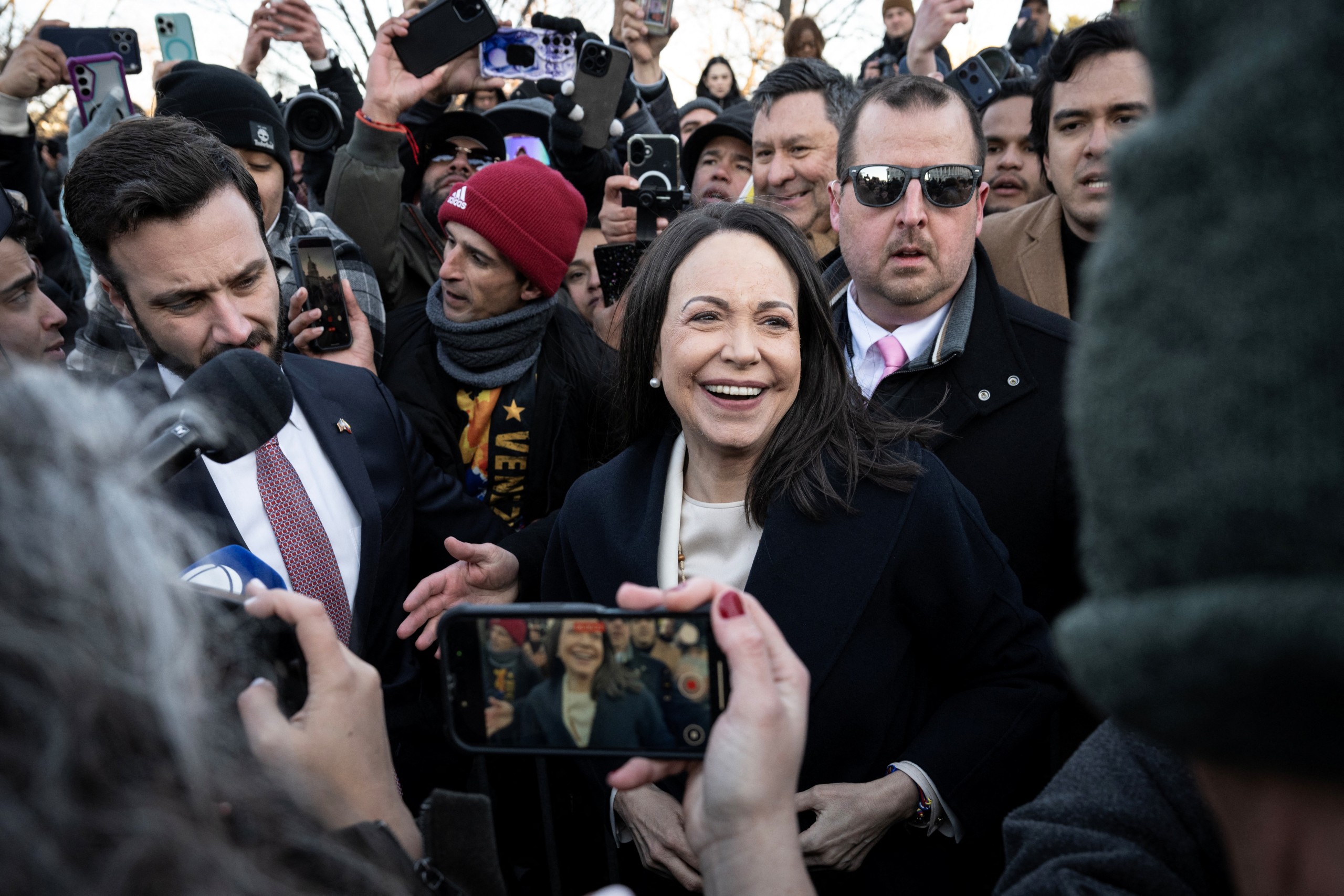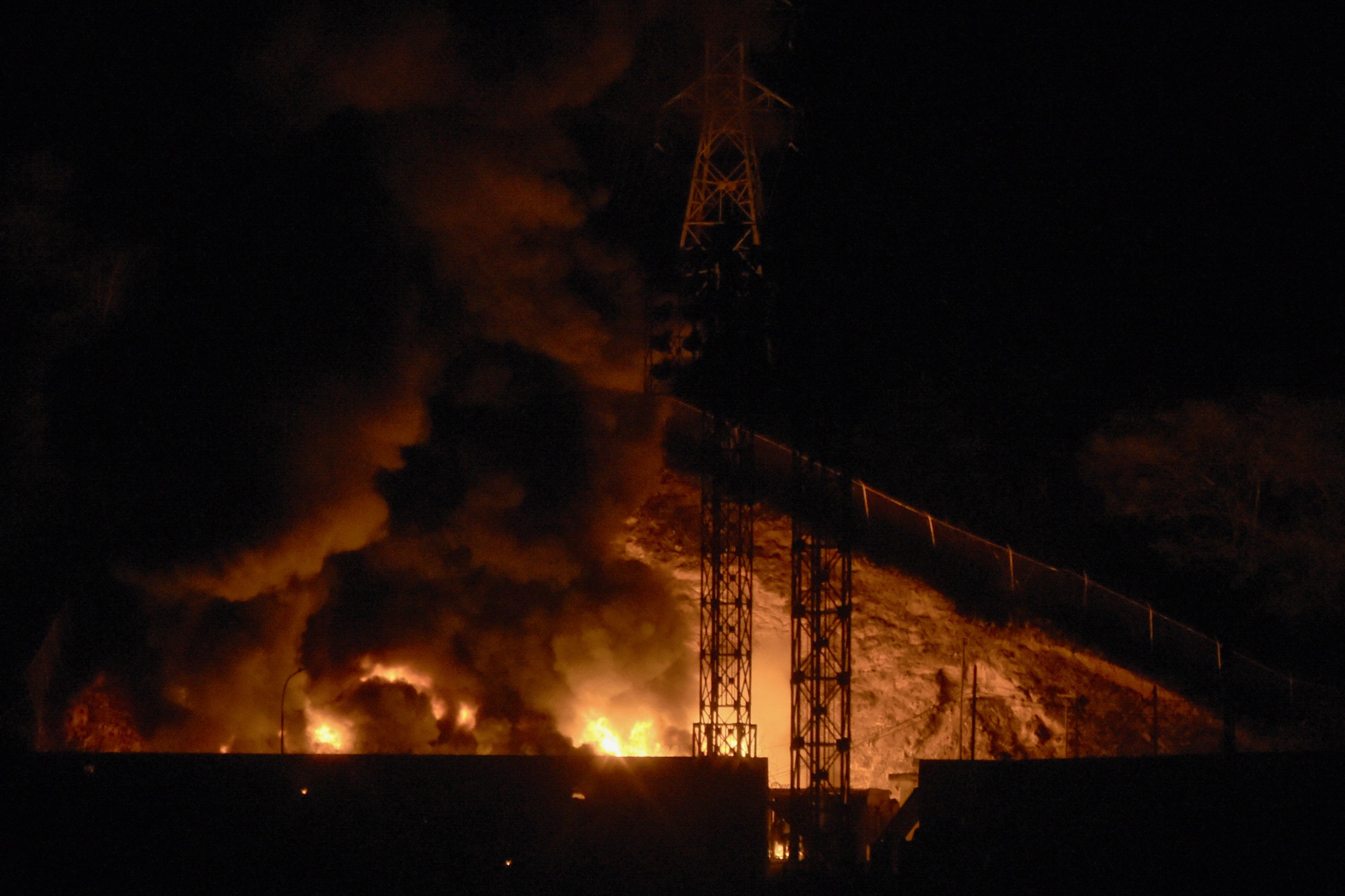
CARACAS, Venezuela – The United States military operation that resulted in the capture of Venezuelan President Nicolás Maduro on Saturday has triggered widespread international condemnation, with both American allies and adversaries expressing alarm over what many are calling a dangerous breach of international law and national sovereignty.
President Donald Trump announced that U.S. forces conducted what he described as a “spectacular assault” on the Venezuelan capital, comparing it to military operations not seen since World War II. Maduro and his wife, Cilia Flores, were taken into custody at Venezuela’s largest military complex and transported aboard the USS Iwo Jima to New York, where they are expected to face narcotics and terrorism charges.
“We’re going to run Venezuela,” Trump declared, stating the United States would tap the country’s substantial oil reserves. The president shared images on social media showing Maduro blindfolded and handcuffed aboard a U.S. naval vessel.
Maduro and his wife are to be arraigned at an unspecified date before a judge in New York. They have been charged with “narco-terrorism,” importing tons of cocaine into the United States, and possession of illegal weapons.
Sharp condemnation from major powers
The military action drew immediate censure from Russia and China, two of Venezuela’s closest allies. Beijing called the operation a “blatant use of force against a sovereign state,” while Moscow demanded the “immediate release” of what it called “the legally elected president of a sovereign country.”
Iran, which the Trump administration bombed last year, strongly condemned what it termed a “flagrant violation” of Venezuela’s sovereignty and territorial integrity.
Regional backlash
Latin American leaders expressed particular concern about the precedent set by the intervention. Brazilian President Luiz Inácio Lula da Silva called the strikes a “serious affront” to Venezuelan sovereignty, while Colombian President Gustavo Petro warned of an impending humanitarian crisis, describing the action as an “assault on the sovereignty” of Latin America.
Mexican officials strongly condemned the operation, warning it “seriously jeopardizes regional stability.” The statement carries added weight given Trump’s previous threats of military action against Mexico over drug trafficking.
Cuban authorities, long-standing Venezuelan allies, denounced what they characterized as “state terrorism against the brave Venezuelan people.”
European division
European responses revealed divisions among U.S. allies. France stated the operation undermined international law and that no solution could be “imposed externally.” President Emmanuel Macron called for opposition candidate Edmundo González Urrutia, widely believed to have won Venezuela’s disputed 2024 election, to lead a political transition.
Spanish Prime Minister Pedro Sánchez said the intervention “violates international law and pushes the region toward a horizon of uncertainty and militarism.”
German Chancellor Friedrich Merz acknowledged that Maduro had “led his country to ruin” but characterized the legal basis for U.S. action as “complex.”
The European Union expressed concern while noting Maduro “lacks legitimacy.” However, EU candidate countries North Macedonia, Albania, and Kosovo backed Washington’s action.
Notable support
British Prime Minister Keir Starmer took a measured stance, saying the UK would discuss the “evolving situation” with U.S. counterparts while noting Britain would “shed no tears” over Maduro’s removal.
Italian Prime Minister Giorgia Meloni, a Trump ally, offered rare major European support, calling the operation “legitimate” and “defensive.”
Israel praised the action, stating Washington acted as the “leader of the free world.”
Ukraine, dependent on U.S. military support in its war with Russia, focused on Maduro’s lack of legitimacy and human rights abuses rather than addressing the legality of the intervention.
International legal concerns
UN Secretary-General António Guterres expressed being “deeply alarmed” by the strikes, warning they could “constitute a dangerous precedent.”
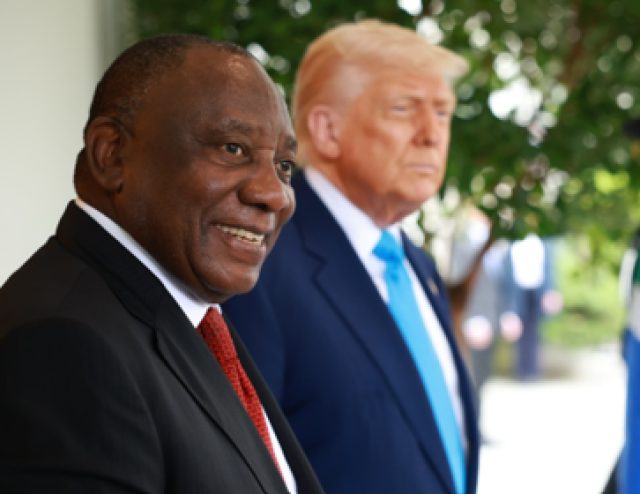
South Africa condemned the operation, stating that “unlawful, unilateral force of this nature undermines the stability of the international order and the principle of equality among nations.”
The UN Security Council has scheduled an emergency meeting to address the situation, with legal experts and lawmakers from both U.S. political parties raising concerns about the operation’s legality and its implications for international law.
Democratic Senator Mark Warner, vice chairman of the Senate Intelligence Committee, questioned the precedent: “Does this mean any large country can indict the ruler of a smaller adjacent country and take that person out?”
The operation marks the most significant U.S. military intervention in Latin America since the 1989 invasion of Panama, which resulted in the capture of Manuel Noriega on the same date 36 years earlier.
ALSO READ: Venezuela accuses US of ‘aggression’ as explosions rock Caracas