

CAPE TOWN – The Western Cape Department of Health and Wellness has outlined comprehensive operational plans for the festive season, warning that the period represents one of the busiest and highest-risk times for emergency services across the province.
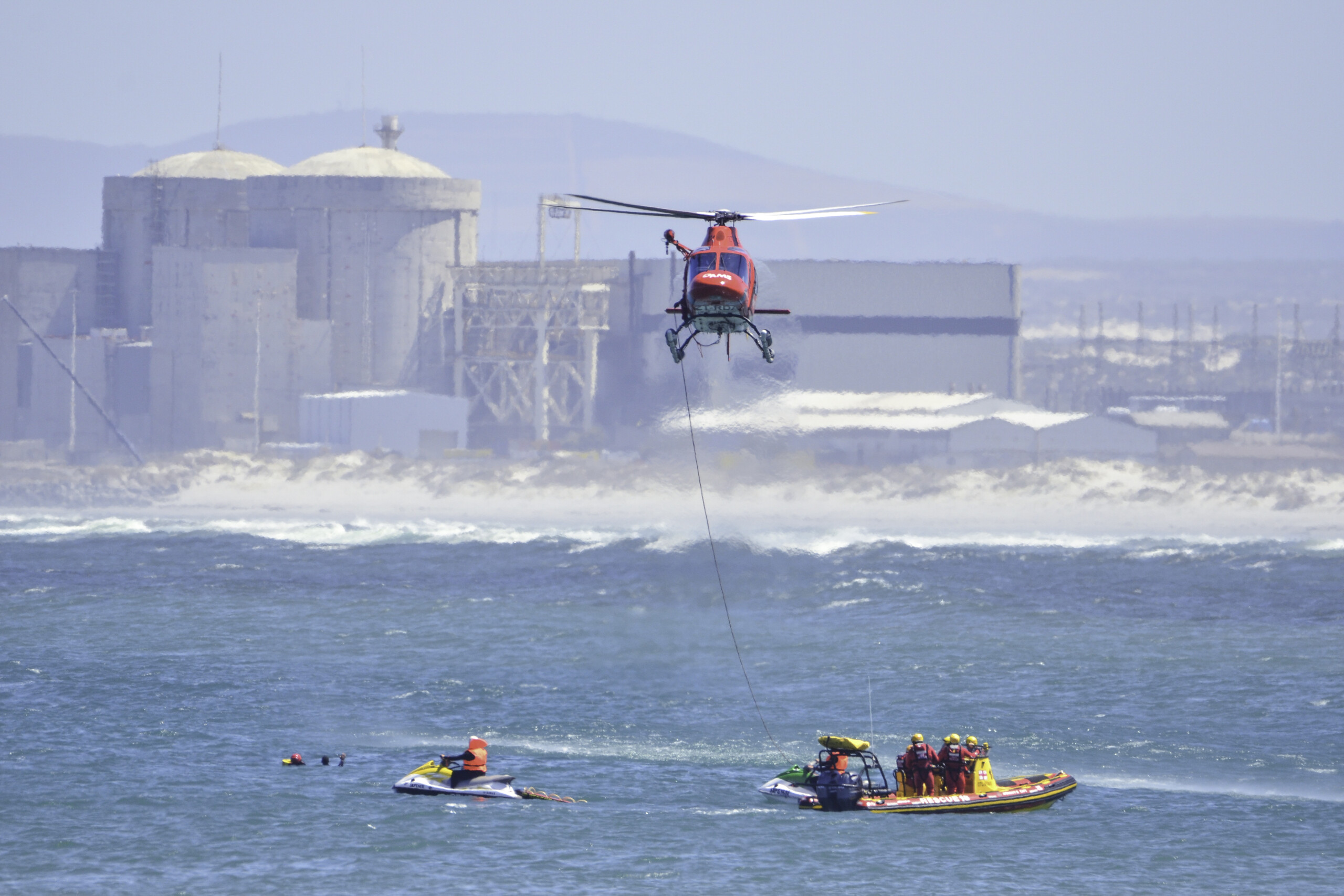
At a media briefing held on Thursday 18 December at NSRI Station 18 in Melkbosstrand, health officials detailed their readiness preparations whilst conducting a joint water rescue training exercise involving multiple emergency response agencies.
The briefing coincided with collaborative training between WCDHW EMS Rescue, the South African Police Service, Lifesaving South Africa, the National Sea Rescue Institute, and Air Mercy Service.
Significant pressure on emergency services
During the previous festive season period from 15 December 2024 to 15 January 2025, Emergency Medical Services responded to 69 249 incidents across the province, including 23 383 life-threatening cases. Emergency centres recorded 29 785 visits during the same period, according to HECTIS data.
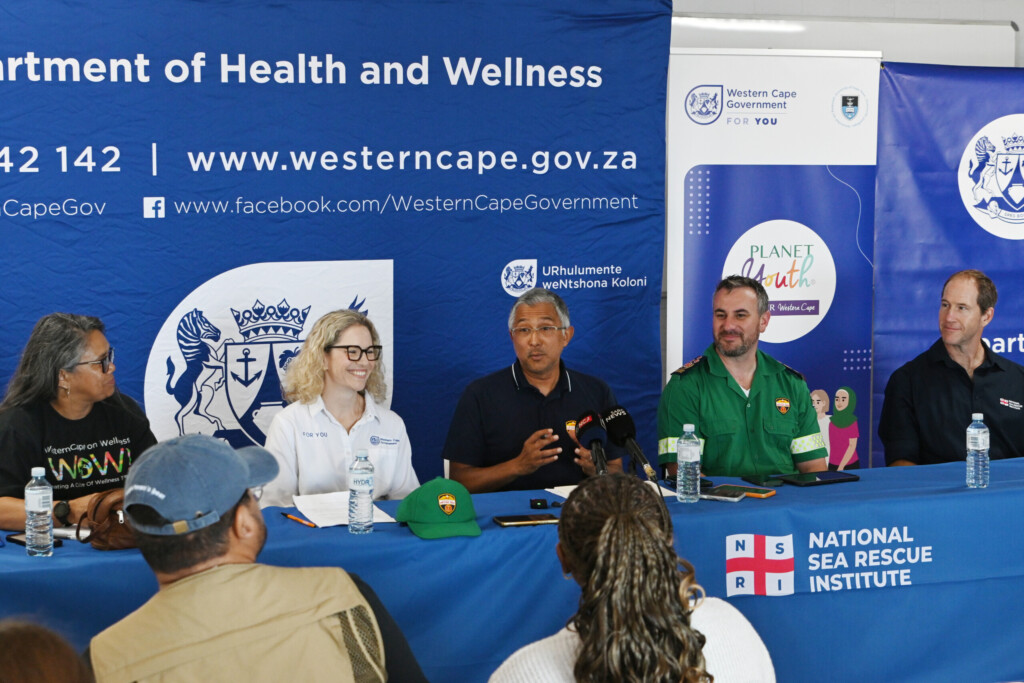
Western Cape Minister of Health and Wellness Mireille Wenger emphasised the importance of public responsibility during the festive period.
“This festive season, we are asking our residents and visitors to celebrate responsibly,” said Wenger.
“Every safe choice that you make helps to protect our healthcare system for those that need it most. The Western Cape’s emergency teams are prepared and ready to serve everyone this festive season.”
ALSO READ: Deadly start to festive season: 28 Lives lost on Western Cape roads in just one week
Integrated response approach
The department has strengthened readiness across Emergency Medical Services, emergency centres, and referral pathways through close operational coordination with key partners and contractors.
These include the National Sea Rescue Institute (NSRI), the Air Mercy Service (AMS), and the Forensic Pathology Service (FPS).
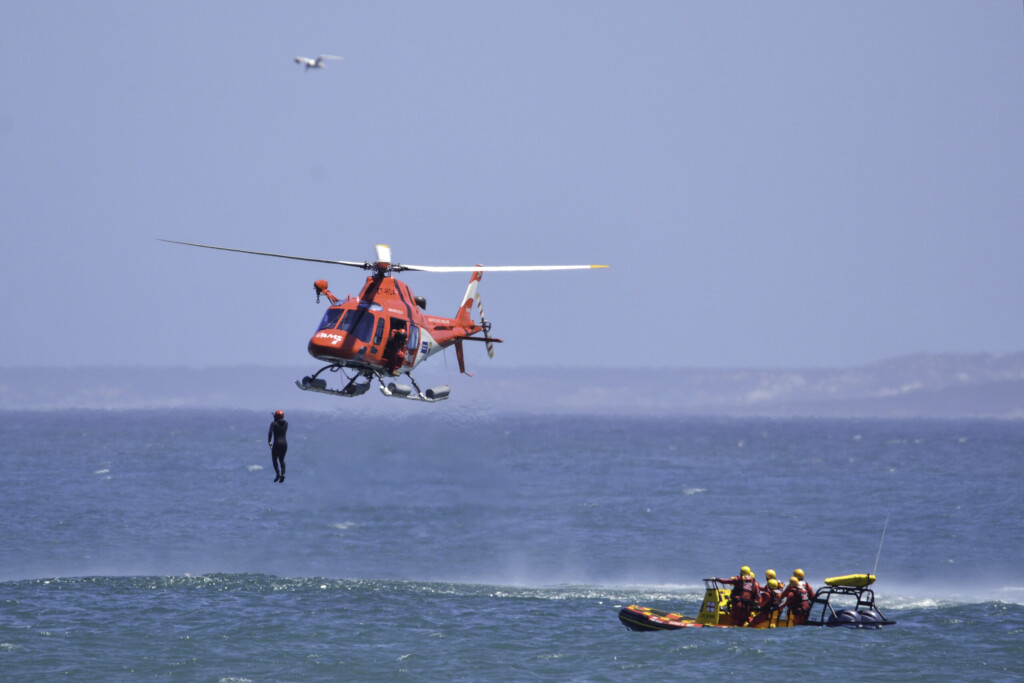
This integrated health ecosystem approach ensures rapid response capabilities on land, sea, and air during peak demand periods.
Common festive season risks
Health officials identified motor vehicle accidents (MVAs), pedestrian vehicle accidents (PVAs), violence-related trauma, and drowning incidents as accounting for a significant proportion of severe injuries during the festive season.
The increased travel, beach and water activity, social gatherings, heat exposure, and higher levels of alcohol consumption all contribute to elevated risk levels during this period.
Many incidents are directly linked to alcohol and substance use, fatigue from long-distance travel, and reduced adult supervision, according to departmental data.
Youth at particular risk
Provincial youth well-being data reveals that alcohol exposure, late-night movement, and lack of supervision significantly increase the risk of injury and violence among young people during the festive period.
ALSO READ: Cape Town goes all out to keep children safe this school holiday
Dr Saadiq Kariem, chief of operations for the Western Cape Department of Health and Wellness, stressed the prevention aspect of festive readiness.
“Festive readiness is not only about how we respond when emergencies happen,” said Kariem.
“It is also about preventing avoidable harm. When emergency resources are tied up with preventable trauma, they are not immediately available for other critical medical emergencies. Safer choices help protect access to care for everyone.”
Water safety campaign
Water safety remains a critical concern throughout the province, with drownings and near-drownings requiring intensive multi-agency responses involving rescue services, EMS, emergency centres, and air support.
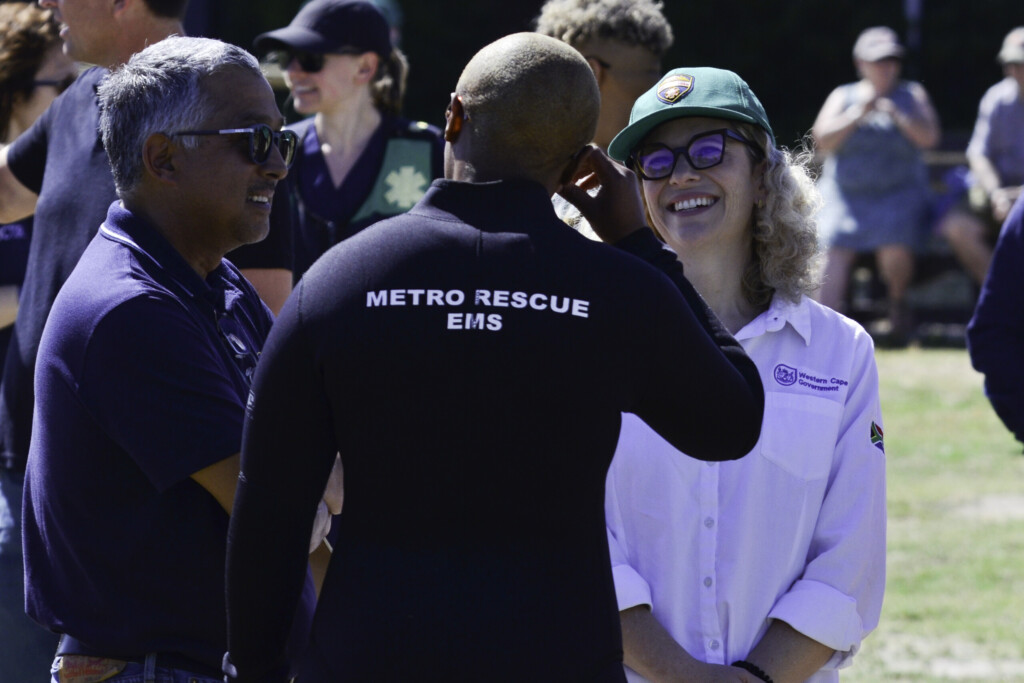
The Forensic Pathology Service will again implement its annual water safety awareness campaign in partnership with various stakeholders, including municipalities.
The campaign includes distributing child identification armbands to help reunite lost children with caregivers and reduce risk at beaches, dams, and rivers across the province.
Officials warned holiday-goers about the impact of extreme heat and dehydration during summer months, particularly when combined with alcohol use and outdoor activity. These factors increase medical emergencies and reduce physical resilience, adding further pressure on emergency services.
Safety recommendations
Residents are urged to:
- Plan ahead for travel and activities
- Avoid drinking and driving
- Supervise children closely near water
- Avoid areas known for rip currents
- Take regular breaks on long journeys
- Make responsible decisions throughout the festive season
The comprehensive preparations aim to ensure emergency services can respond effectively whilst encouraging the public to take preventive measures to reduce avoidable incidents during the festive period.
ALSO READ: Regular sips of water on long trips can save lives


You must be logged in to post a comment.