Thousands of South Africans embarking on their Christmas holiday journeys are encountering a significant increase in roadblocks across the country as authorities intensify efforts to improve road safety during the festive season.
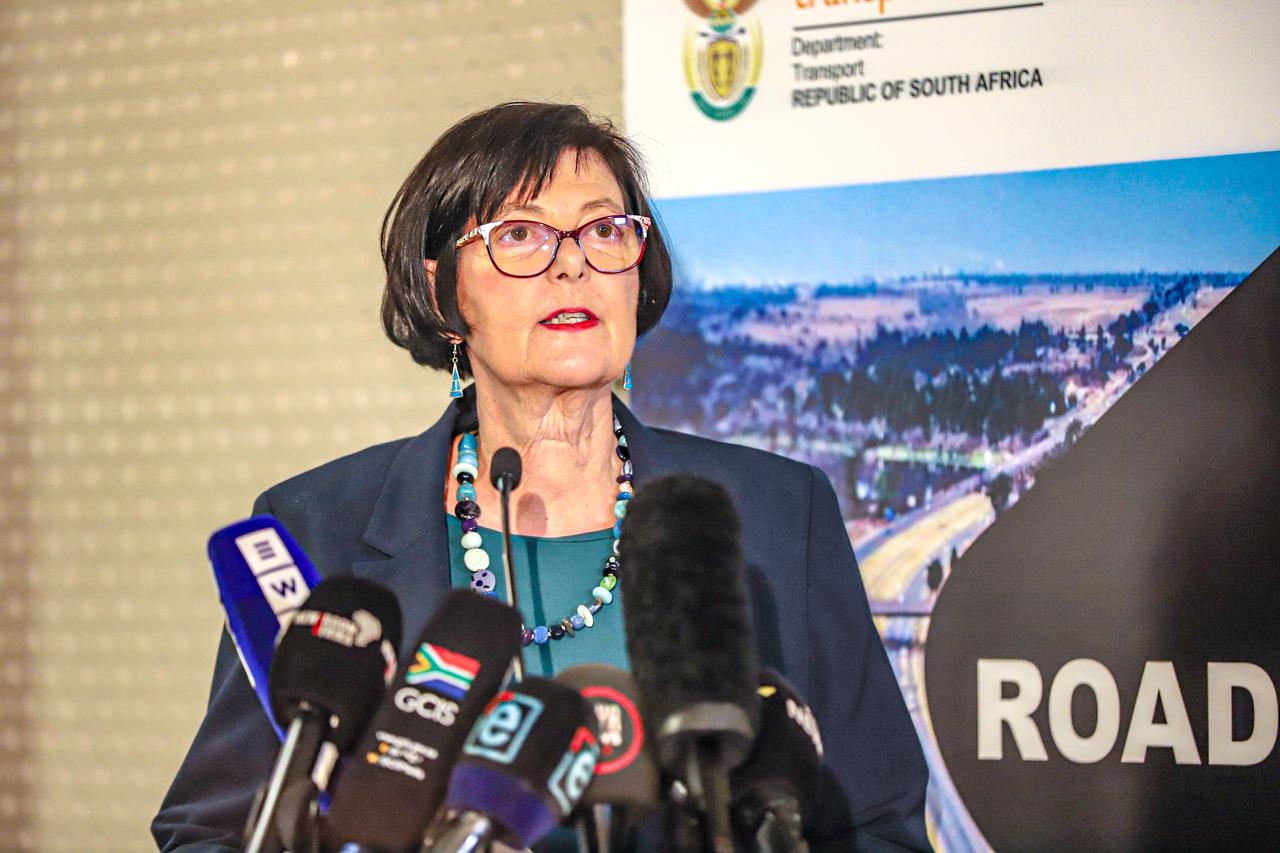
The Department of Transport has launched a comprehensive road safety campaign targeting key routes and numerous secondary roads. The initiative aims to reduce the alarming number of road accidents and fatalities that typically spike during the holiday period.
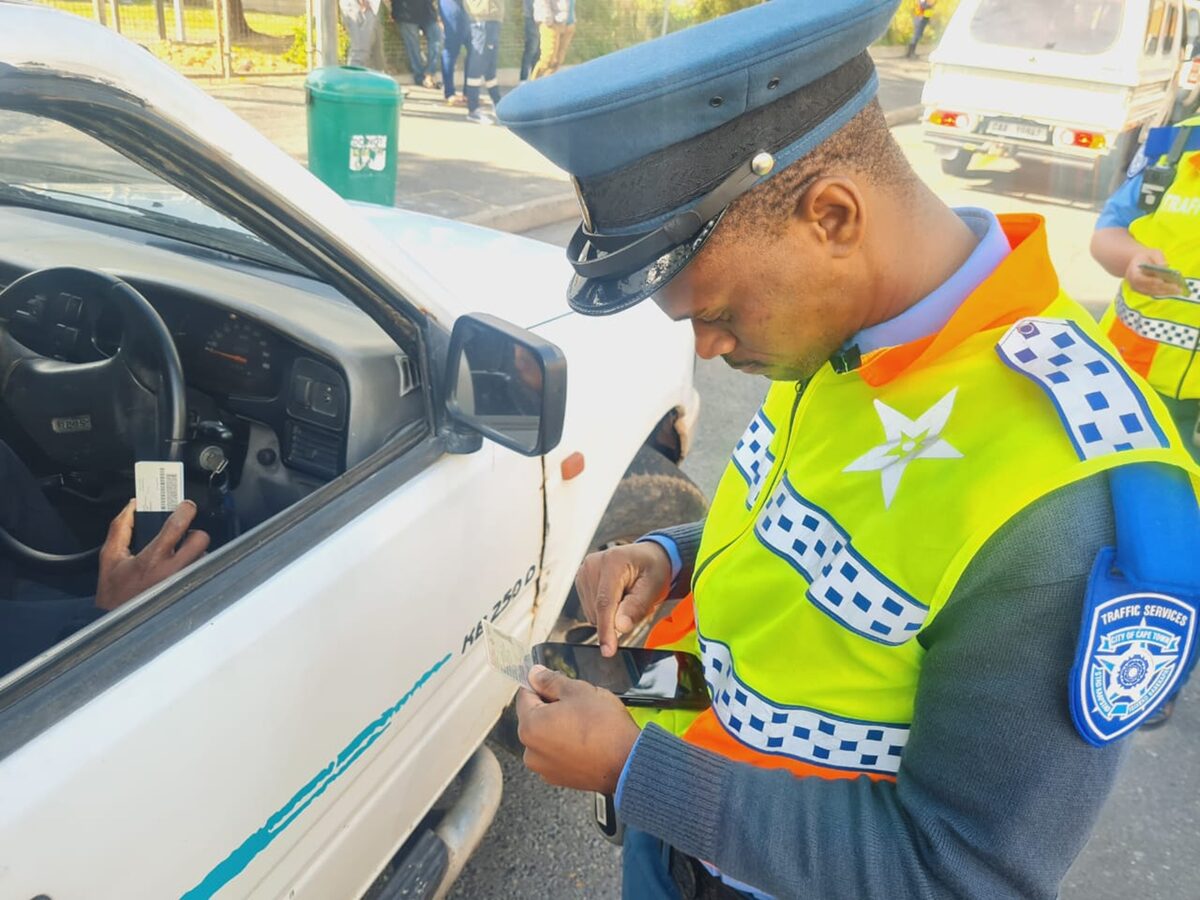
These roadblocks serve multiple purposes, with traffic officials focusing on identifying drunk drivers, verifying the validity of driving licenses and vehicle registrations, and conducting searches for illegal goods. For many travellers, encountering these checkpoints has become an inevitable part of their holiday journey.
However, many motorists remain unaware of their rights when stopped at these checkpoints. Understanding the distinction between different types of stops could prove crucial for travellers this festive season.
Two types of traffic stops
According to road safety organisation Arrive Alive, there are two distinct types of traffic enforcement operations. Roadblocks physically obstruct traffic flow in one or both directions and are regulated under Section 13(8) of the South African Police Service Act. These are constitutionally permitted but require specific authorisation procedures.
The Act mandates written authorisation for roadblocks, which must specify the date, approximate duration, location, and objective of the operation. Proper signage, traffic cones, and barriers must also be strategically placed around the checkpoint area.
Roadside checks operate differently, with traffic officers positioning themselves alongside the road and selecting vehicles to pull over without blocking traffic flow. This approach allows the general flow of traffic to continue largely unimpeded.
Know your rights and obligations
Regardless of the type of stop encountered, motorists are legally required to comply. Failing to stop for either a roadblock or roadside check constitutes a criminal offense with potentially serious consequences.
At properly authorised roadblocks, law enforcement officials possess the authority to search individuals and their property without requiring a warrant.
During roadside checks, officers may conduct similar searches either with the motorist’s consent or when they have reasonable grounds to believe a search is necessary.
Payment demands and arrest powers
One area where confusion often arises involves on-the-spot fine payments. According to Fines SA, police officers cannot demand immediate payment of outstanding traffic fines at roadblocks or roadside checks.
The organisation strongly warns motorists to exercise extreme caution if anyone in police uniform requests they accompany officers to an ATM for fine payment. Such requests should be refused, as this practice is not legitimate.
Police also cannot prevent motorists from continuing their journey due to outstanding traffic fines or make arrests for unpaid fines without following proper legal procedures. However, they retain the authority to arrest individuals if a valid warrant has been issued.
Legal protection for motorists
A legal expert speaking on the matter emphasised that arrests at roadblocks can only occur when officers present a valid arrest warrant.
“In that situation, you may legally be detained until the fine linked to that warrant is settled. But without a warrant, officers have no authority to demand on-the-spot payment with or without a card machine.”
Motorists possess several rights during these encounters, including the ability to request proof that a roadblock has been properly authorised. Random or unauthorised stops could potentially be unlawful, making this verification important for legal protection.
The legal expert also confirmed that motorists may record or film their interactions with officers, provided they don’t obstruct the roadblock operations or interfere with official duties. When stopped for suspected drunk driving, drivers can request verification of breathalyser calibration.
Best practices for encounters
Professional advice suggests maintaining a calm and respectful approach during all interactions with law enforcement. “Recording the interaction can protect both parties if there’s a dispute later. The key is to document, not provoke,” the legal expert noted.
As South African families continue their holiday travels, understanding these rights and obligations could make the difference between a smooth journey and unnecessary complications. While roadblocks may cause delays, they represent genuine efforts to ensure everyone reaches their destination safely during what should be a joyful time of year.