
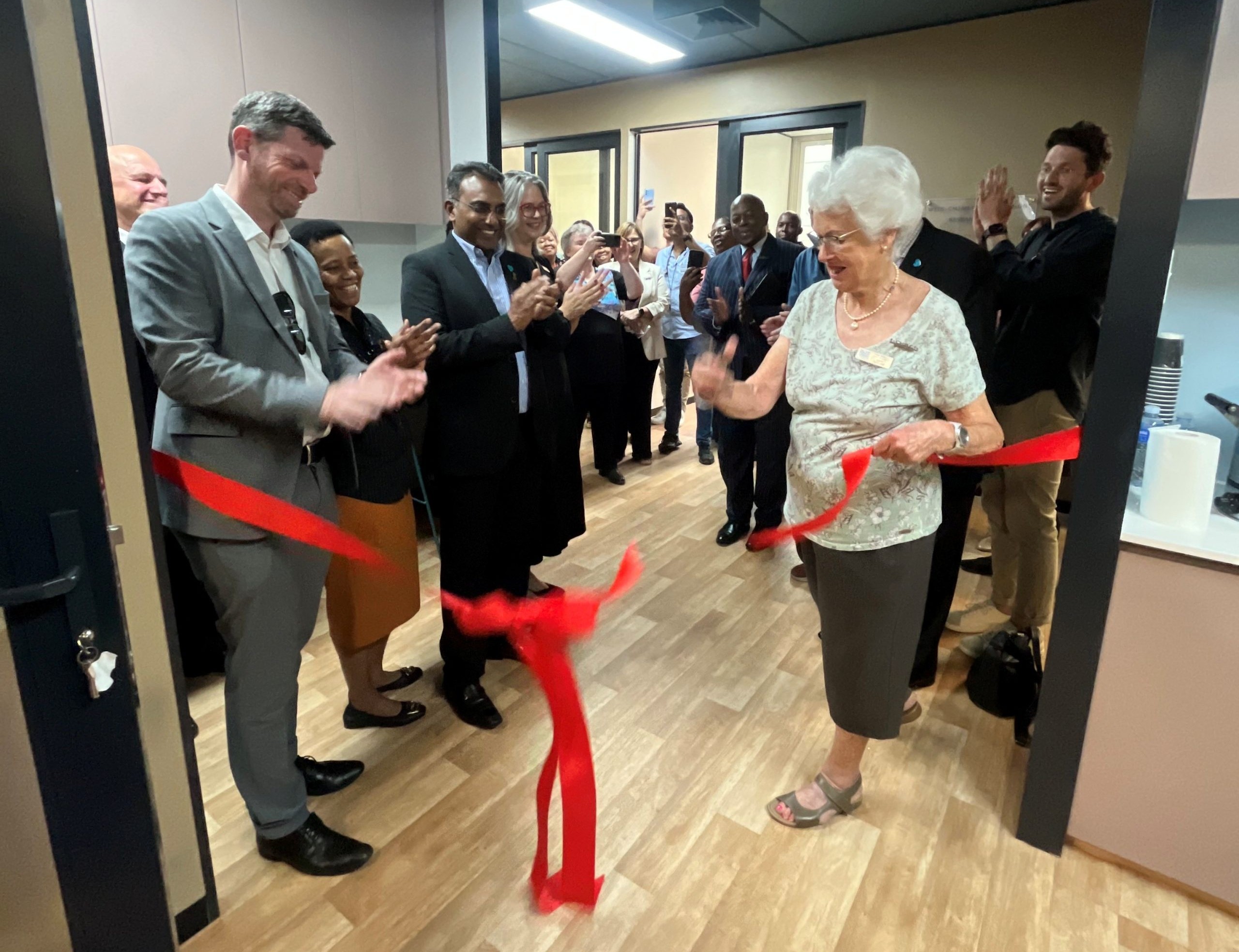
JOHANNESBURG – A pioneering research centre dedicated to childhood cancer has opened at Charlotte Maxeke Johannesburg Academic Hospital, marking a significant milestone in South Africa’s fight against paediatric haematology-oncology conditions.
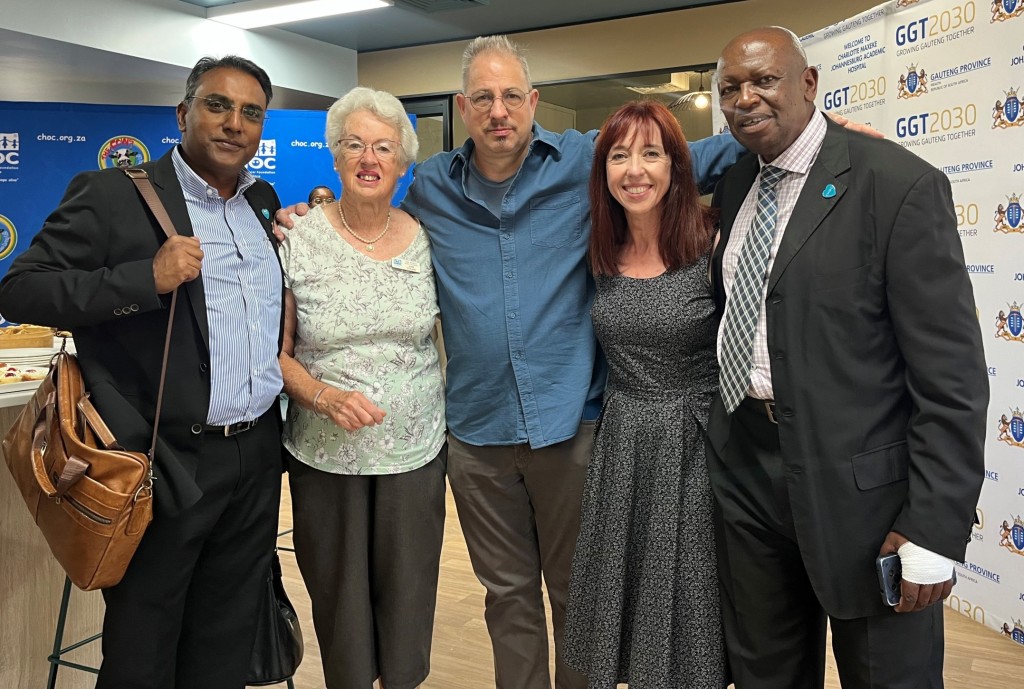
The Wits-CMJAH Paeds Haem-Onc Research CoLab, supported by the Childhood Cancer Foundation of South Africa (CHOC), was launched on Tuesday 9 December with backing from corporate donors Adcock Ingram and The Kinvest Trust.
The facility will serve as a hub for clinical research, data collection and international collaboration aimed at improving survival rates for children and adolescents diagnosed with cancer and blood disorders.
Professor Jennifer Geel, head of Paediatric Haematology-Oncology at Charlotte Maxeke Johannesburg Academic Hospital (CMJAH) and academic head of division at Wits Paediatric Haematology-Oncology, will lead the centre’s research programme.
“We aim to consolidate the excellent research performed in this unit and take it to new heights by collaborating with local and international partners, focusing on locally relevant projects that impact directly on the lives of the children, adolescents and families that we serve,” Geel said.
The research team will concentrate on six priority diagnoses identified by the World Health Organisation’s Global Initiative for Childhood Cancer as highly curable with available resources: Hodgkin lymphoma, retinoblastoma, Burkitt lymphoma, acute lymphoblastic leukaemia, low-grade glioma, and nephroblastoma.
These conditions constitute 60% of cancers treated by the unit. Additional focus will be placed on severe aplastic anaemia and stem cell transplantation.
Rising from the ashes
The centre’s establishment represents a symbolic moment of renewal for CMJAH, which suffered extensive damage in a devastating fire that disrupted services across the facility.
Hospital officials view the research centre as testament to the institution’s commitment to rebuilding stronger infrastructure whilst advancing paediatric care standards.
CHOC CEO Hedley Lewis said the centre’s mission is to bridge scientific research with patient care. “This centre represents the bridge between research and real lives,” he explained.
“It’s a space where science meets compassion, ensuring that the children, teenagers and families we serve today will benefit from tomorrow’s discoveries.”
Four-pillar strategy
The centre will operate through four key strategic areas: enhancing clinical research in paediatric haematology-oncology; fostering data-driven innovation through partnerships with universities and international research bodies; encouraging multi-disciplinary collaboration among oncologists, psychosocial teams, and public health experts; and building the next generation of paediatric haematology-oncology researchers.
The launch event drew representatives from the national Department of Health, CHOC, academic institutions and corporate donors, all united in advancing locally-driven research and innovation in childhood cancer treatment.
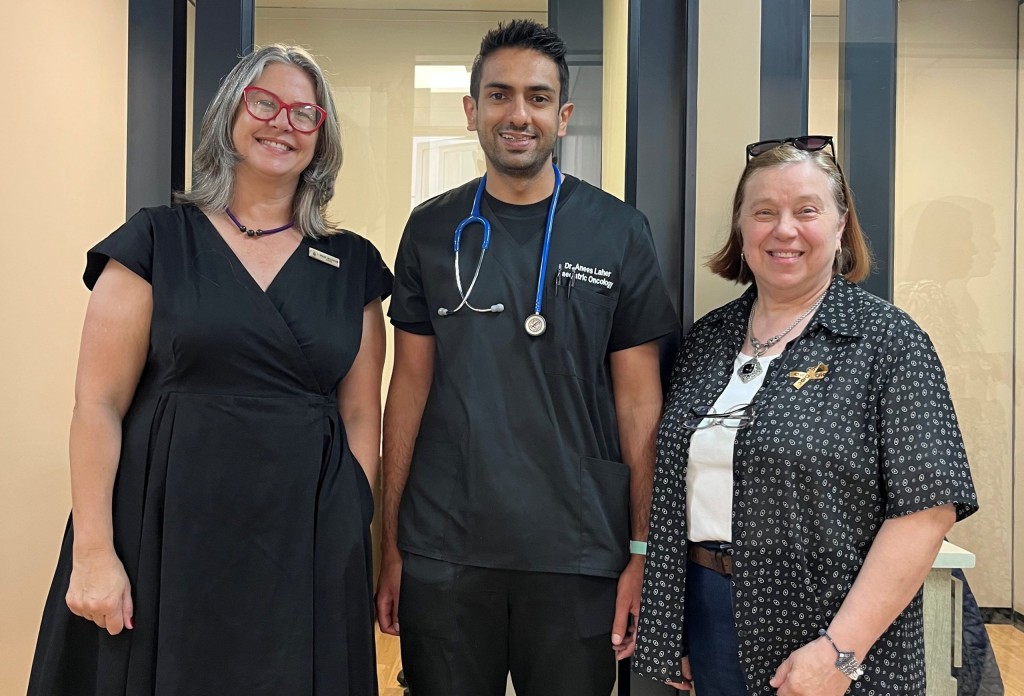
For CHOC, the milestone extends the organisation’s mission beyond psychosocial and practical support services to encompass research that could transform paediatric haematology-oncology treatment across South Africa and the broader African continent.
The centre represents a significant investment in developing local research capacity while ensuring that young patients receive world-class treatment closer to home, reducing the burden on families who previously faced lengthy journeys for specialised care.
The research centre is expected to begin operations immediately, with initial studies focusing on improving treatment protocols for the six priority cancer types.




You must be logged in to post a comment.