

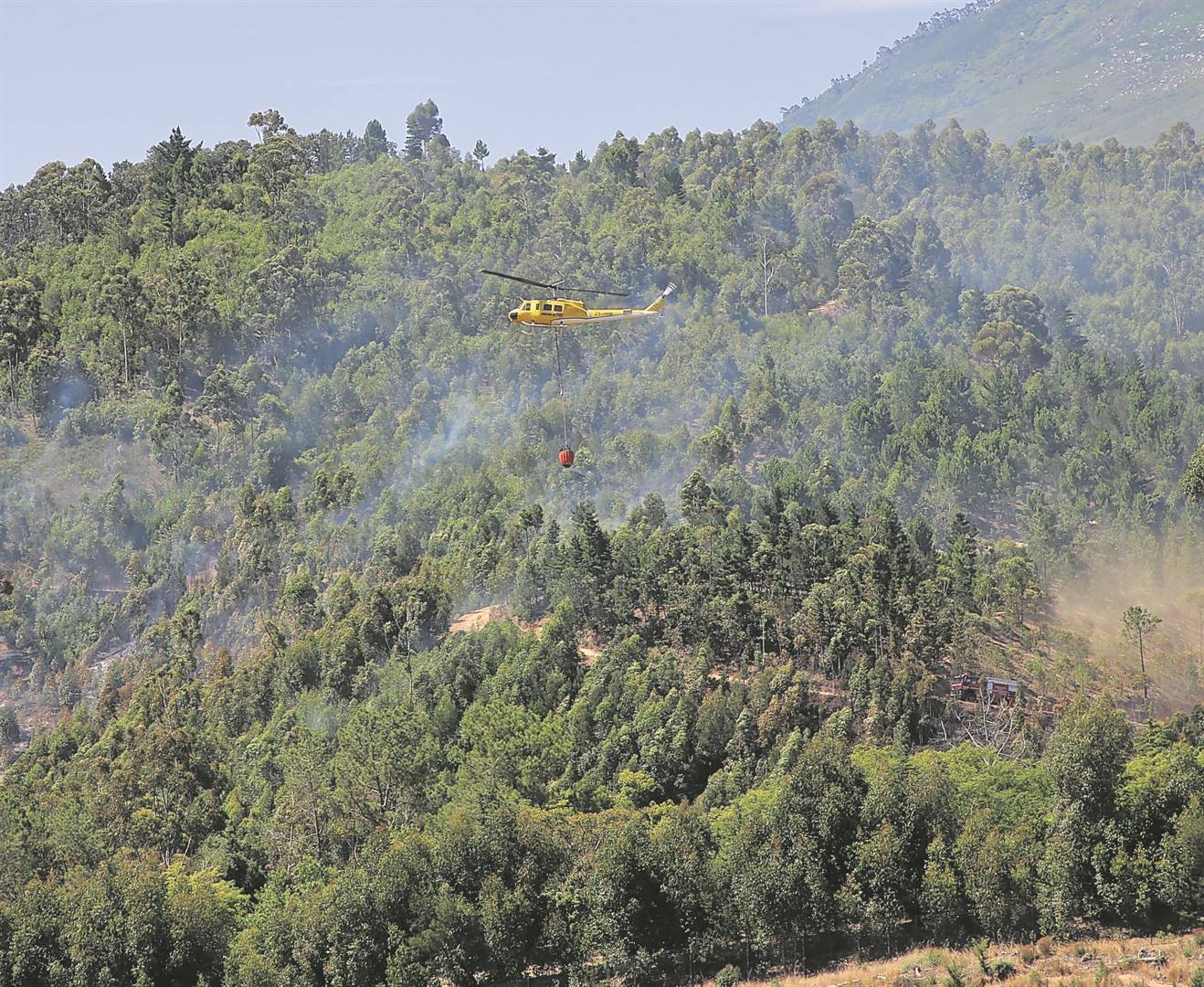
The Western Cape Government allocated R17 million for aerial firefighting support as part of a comprehensive summer preparedness plan launched on Monday 8 December.
The investment comes after the 2024/25 season that saw 11 149 veld and wildland fires recorded across the province. CapeNature reported 97 fires affecting more than 75 000 hectares, with fire suppression costs exceeding R20 million. Despite the extensive fire activity, no fatalities or serious injuries were recorded by firefighting stakeholders, demonstrating improved training, coordination and investment in resources.
The province is already five weeks into the 2025/26 fire season, which started on Saturday 1 November and runs until Wednesday 30 April 2026. Provincial Minister of Local Government, Environmental Affairs and Development Planning Anton Bredell outlined strategic investments and operational plans to protect communities, visitors and critical natural infrastructure.

“Our focus is on faster response times, better coordination and reducing the risk of large, high-impact fires. The R17 million earmarked for aerial support is a critical part of our strategy to protect both people and property this summer,” said Bredell.
The minister also announced that the National Sea Rescue Institute and Lifesaving Western Cape would each receive R408 000 to reduce drownings over the busy tourist season and strengthen water-safety efforts across the province’s coastline and inland water bodies.
Bredell emphasised that large, fast-spreading fires caused the majority of damage last season. The focus for 2025/26 remains centred on three pillars: effective detection, prevention and rapid deployment.
The provincial government will deploy province-funded aerial resources to high-risk incidents while continuing investment in training, equipment and operational readiness across local firefighting services. Prevention efforts will include encouraging landowners to undertake prescribed burns, clear invasive vegetation and maintain firebreaks, particularly in mountain catchments and wildland-urban interface areas. The government will also scale up behavioural-change campaigns to address human-caused ignitions, which remain the leading cause of wildfires.
Conditions this season are already concerning. Significant fire activity has been recorded across all districts, while forecasts from the South African Weather Service indicate a dry summer with above-average temperatures for the remainder of the season. Combined with high fuel loads, these conditions are likely to increase the frequency and severity of fires.
Despite the forecast challenges, Bredell expressed confidence in the province’s emergency teams, paying tribute to all firefighting and rescue personnel who will be on the frontlines this season:
“Your dedication keeps this province safe. We see your sacrifices and we are deeply grateful.”


You must be logged in to post a comment.