


JOHANNESBURG – In a landmark ruling that rewrites a dark chapter of South Africa’s apartheid history, a court declared Thursday that African National Congress leader Albert Luthuli was murdered by security police in 1967, overturning nearly six decades of official claims that he died in a tragic train accident.
Judge Nompumelelo Hadebe ruled that Luthuli, who in 1960 became the first African to win the Nobel Peace Prize, died from injuries sustained during an assault by apartheid-era security forces, not from being struck by a goods train as previously determined.
“It is found that the deceased died as a result of a fractured skull, cerebral haemorrhage and concussion of the brain associated with an assault,” Judge Hadebe declared in her ruling.
The judge determined that Luthuli’s death was directly attributable to “assault by members of the security special branch of the South African police, acting in consent and in common purpose with employees of the South African Railway Company.”
The original 1967 inquest conducted by the apartheid government had concluded that the anti-apartheid leader died after being hit by a train—a finding that has now been officially set aside after 58 years.
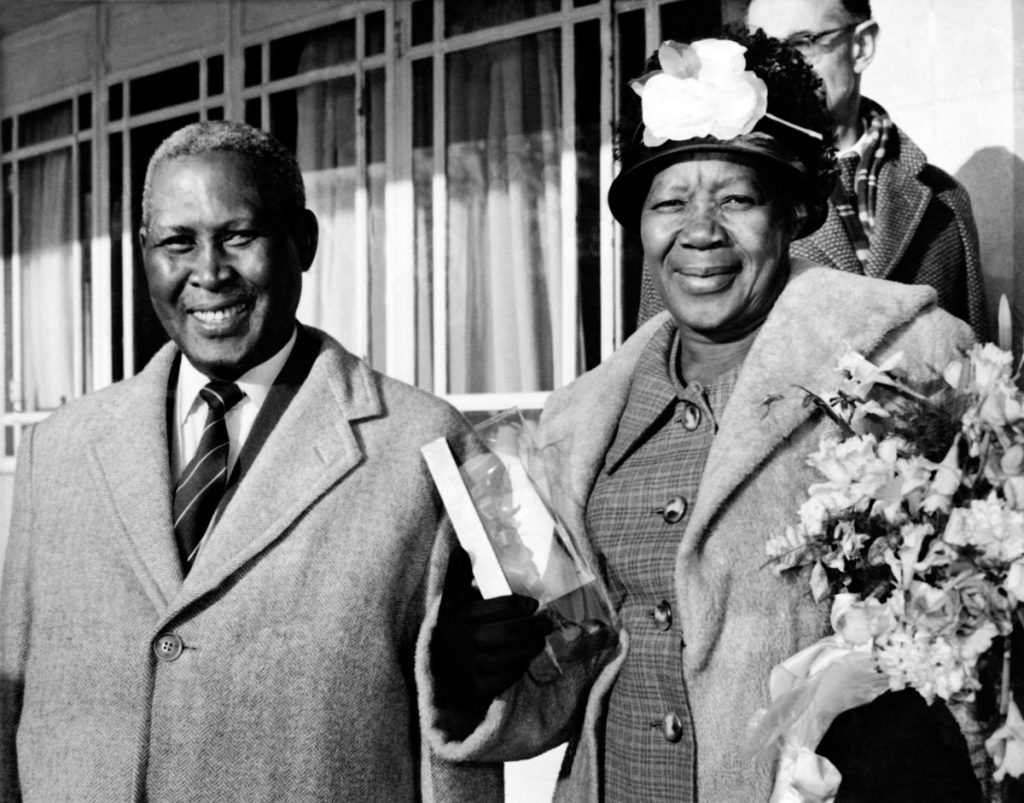
Judge Hadebe named seven individuals as having committed or been complicit in the murder, including a locomotive driver, a fireman, a station master, and two railway police officers. However, the court noted that the whereabouts of these men “could not be ascertained.”
Albert Luthuli served as president-general of the African National Congress from 1952 until his death in 1967, leading the anti-apartheid movement through one of its most challenging periods. His leadership came during a time when the ANC faced severe repression, including its banning by the apartheid government.
Luthuli’s Nobel Peace Prize recognition in 1960 made him an international symbol of the struggle against racial oppression in South Africa, bringing global attention to the injustices of the apartheid system.
This ruling comes as part of South Africa’s renewed effort to examine unresolved deaths from the apartheid era. The government reopened inquests into the deaths of several political activists this year, more than three decades after the fall of the white-minority apartheid regime in 1994.
The case represents a significant step in South Africa’s ongoing quest for truth and reconciliation, providing official acknowledgment of what many activists and historians have long suspected—that Luthuli’s death was not an accident but a calculated act of political violence.
The ruling not only clears Luthuli’s name but also serves as formal recognition of the systematic violence employed by the apartheid security apparatus against those who dared to challenge the system of racial segregation and oppression.
ALSO READ: South Africa re-opens inquiry into deaths of apartheid-era activists





You must be logged in to post a comment.