


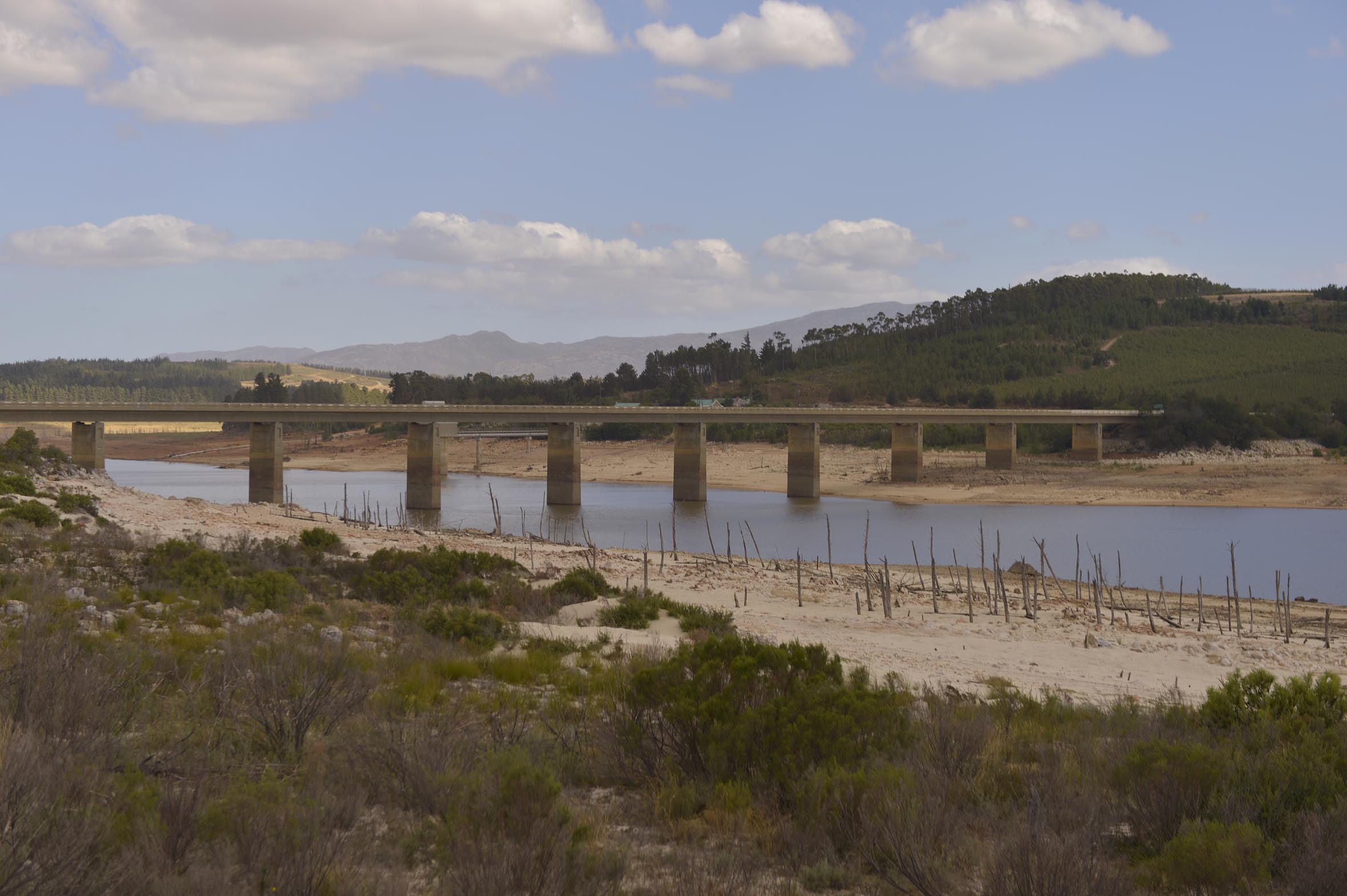
Parts of the Western Cape, including the key agricultural region of the Boland, are expected to face severe drought conditions through October, according to the latest status update from the National Joint Drought Coordinating Committee (NJDCC). Small patches are even forecast to experience extreme drought.
The warning stems from “below-normal rainfall over especially the southern parts of the winter rainfall region since August,” causing drought to develop over short- to medium-term timescales. Winter rainfall areas in the Eastern Cape are similarly affected.
The drought warning coincides with mounting concern among Western Cape wheat farmers, particularly those in the Boland, about low yields resulting from the recent dry spell. The Farmers’ Weekly reports that the situation is so dire that some farmers have already resorted to sending livestock to graze fields that would be unprofitable to harvest.

Dirk Strydom, Nampo managing director, expressed deep worry over the situation. “I’m really worried about the winter rainfall region,” he commented. “The wheat yields aren’t there, prices aren’t there, and so margins are very tight.” He noted that local prices are unlikely to increase due to low global wheat prices and South Africa having already reached import parity.
The NJDCC’s assessment is based on the Standardised Precipitation Index (SPI) data from the past six months. On a longer 12-month timescale, the Western Cape outlook is less severe, thanks to heavy winter rains last year and earlier this year, but the short-term situation remains critical for agriculture.
Summer relief on the horizon, but flooding risk looms
Despite the immediate drought worries, the South African Weather Service’s (SAWS) seasonal forecast offers a potential reprieve, indicating that the forthcoming summer season is likely to be wetter than normal, with the probability of above-normal rainfall increasing towards mid-summer over the eastern interior.
This wetter outlook, driven by the possibility of a weak La Niña event developing soon, translates into generally favourable conditions for summer rainfall areas. Provinces like the North West, Free State, KwaZulu-Natal, and parts of the Eastern Cape are likely to receive above-normal rainfall, which will significantly benefit water reservoirs.
However, SAWS warns that these conditions could pose serious public health and flooding risks. Proactive measures, such as establishing proper drainage systems, must be taken immediately to safeguard against floods, which carry increased risks of drownings, injuries, and hypothermia.
In contrast, parts of Mpumalanga and Limpopo are unfortunately predicted to receive below-normal rainfall, which could exacerbate existing drought in those areas.
Alongside the rainfall predictions, the seasonal forecast indicates above-normal temperatures across most of the country, heightening the risk of heat-related illnesses and accelerating the growth of foodborne pathogens. SAWS urges all South Africans to monitor daily forecasts and take proactive steps to protect themselves from both heat and flood-prone areas.
- With the rainy season now over, this year only 462mm rain has been measured in Paarl, the heart of the Boland. In 2024, 990mm was recorded and in 2023, 1250mm




You must be logged in to post a comment.