


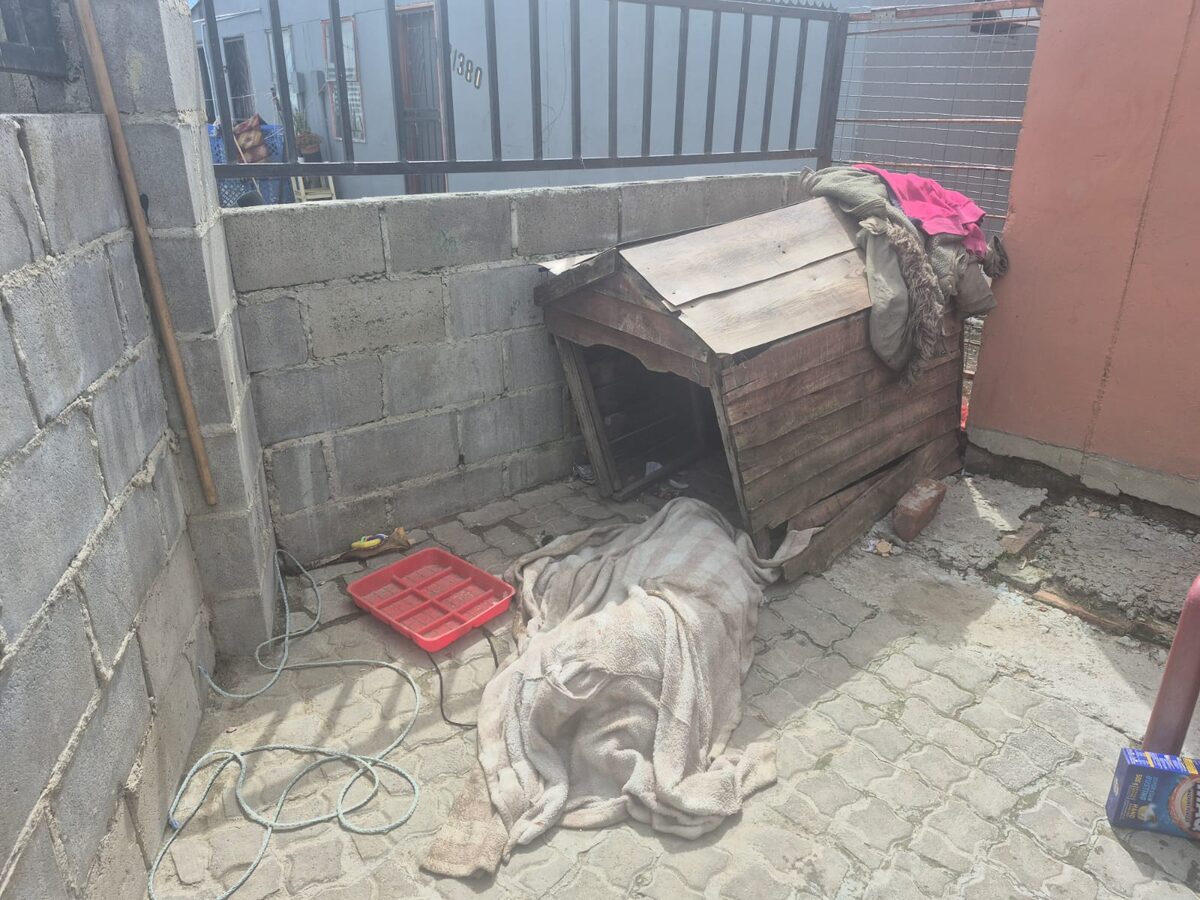
“Keep your dogs indoors at night and check your yard daily for suspicious items.”
So urged Julia Evans, manager of the Animal Welfare Society (AWS) Helderberg, following a suspected mass poisoning attack in Lwandle that killed several dogs and left others critically ill.
News of the incident, in Thukumbela and Khanyiso Street, was widely shared on social-media platforms on Wednesday 17 September and sent shock waves through the broader Helderberg community.
Evans confirmed that the animal-welfare organisation was alerted to the incident through a volunteer assistant who, in turn, called on an AWS inspector. She added that two more incidents were phoned in following the initial call.
“We made contact with the first victim around 08:20. [On arrival, respondent inspectors found] several dead dogs and some live dogs at various addresses.”
She further confirmed 10 dogs had died and eight more were rushed to the AWS facility for urgent veterinary care. “One sadly died almost as soon as it arrived. However, the other seven are responding well to treatment.”
The Cape of Good Hope SPCA shared that inspector Lwazi Ntungele was called to the disturbing scene by AWS respondents.
“What I saw this morning will stay with me for a long time. Dogs lying dead in their own vomit, children asking me if their dogs would wake up, and men who admitted that they cried for the first time in years. I feel a heavy responsibility to these dogs and to their families to seek justice for them.”
Ntungele shared in an online statement.
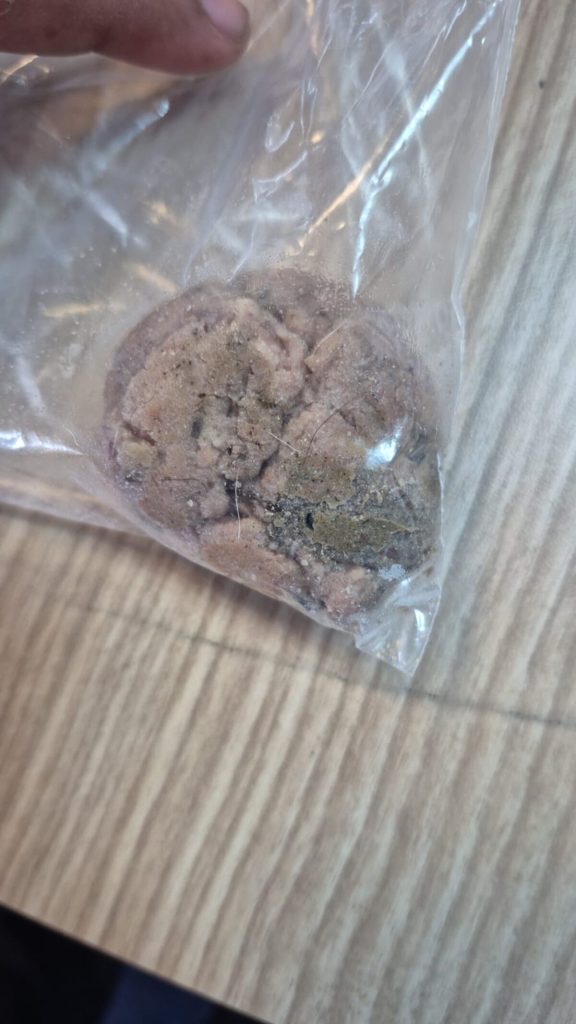
The statement further disclosed preliminary investigations suggest that raw meat, rolled into balls and laced with an as-yet unidentified substance in black pill-form, was hurled onto the neighbouring properties.
“Samples of the suspected poison, vomit and animal remains have been sent to a laboratory for urgent analysis. At this stage, no suspects have been identified. The attack likely took place during the night or early hours of the morning. All the targeted homes were fully enclosed, raising fears that the incident was deliberate and planned.”
Asked what the survival chances for the dogs currently being treated is, Evans said that those under their care stand a pretty good chance at recovery. Regarding long-term health effects s explained that a definitive assessment won’t be possible until laboratory tests identify the exact poison used.

She further warned residents to remain perpetually vigilant, as poisoning is an easily accessible method for harming animals.
As for what to do when one’s dog shows signs of poisoning (vomiting, diarrhea, drooling, breathing difficulties, lethargy, or seizures), the SPCA advises that owners act quickly. They should stay calm, identify and remove the toxic substance, contact your vet immediately, and transport their dog safely to the clinic. Bring packaging or samples of the suspected poison along with details about the substance name, amount ingested and timing to help veterinarians provide effective treatment.
- The SPCA is appealing to anyone with information on the mass poisoning to come forward. Reports can be made anonymously by calling 021 700 4158/9.
- Residents can report suspicious meat or poisoned animals to AWS on 021 856 0597 (available until 22:00 daily), contact their private veterinarians, or reach SPCA for 24/7 emergency assistance.




You must be logged in to post a comment.