

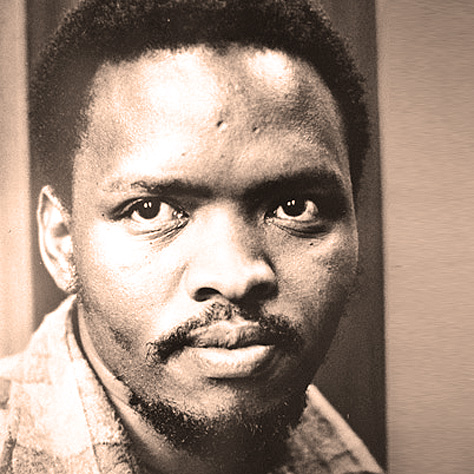
GQEBERHA – Nearly five decades after the death of Black Consciousness Movement leader Steve Biko shocked the world, a South African court has reopened the inquest into his killing, with prosecutors revealing that two persons of interest are still alive.
The High Court of South Africa’s Eastern Cape Division in Gqeberha on Thursday adjourned the long-awaited inquest to 12 November, for case management – exactly 48 years to the day since Biko died in police custody on 12 September 1977.
The timing was deliberate, according to Advocate Thembeka Ngcukayithobi, representing the Biko family, who told Judge Buyiswa Majiki that “the choice of the date today was significant, hence the agreement between the state and the family.”
Steve Biko, founder and leader of the Black Consciousness Movement, died at age 30 under circumstances that became a symbol of apartheid brutality. He was arrested on 18 August 1977, at a roadblock near Grahamstown (now Makhanda) and detained under Section 6 of the Terrorism Act.
During 22 days in custody, Biko was held naked and shackled at the Walmer Police Station in Port Elizabeth (now Gqeberha). On 7 September he was transported to Pretoria for interrogation by the notorious Security Police, where he suffered severe head injuries during what officials claimed was a “scuffle.”
Medical evidence later revealed that Biko had sustained massive brain trauma consistent with severe beatings. Despite his critical condition, police transported him 1 200 km back to Pretoria in the back of a Land Rover, naked and unconscious. He died shortly after arrival at Pretoria Central Prison’s hospital.
ALSO READ: Biko murder inquest reopens nearly five decades after his death
The original 1977 inquest, conducted under apartheid law, cleared the Security Police of any wrongdoing. Magistrate Martinus Prins concluded that Biko’s death resulted from brain injury, but that “no one was to blame.” The finding was widely condemned as a whitewash, with no police officers ever facing prosecution.
Even after South Africa’s transition to democracy, justice remained elusive. When the Truth and Reconciliation Commission offered amnesty to those who confessed to political crimes, the officers involved in Biko’s detention refused to apply, maintaining their innocence.
The five Security Police officers present during Biko’s final interrogation – Colonel Pieter Goosen, Major Harold Snyman, Captain Daantjie Siebert, Warrant Officer Ruben Marx, and Detective Sergeant Jacobus Beneke – have never been held accountable for his death.
The reopened inquest follows approval by the Minister of Justice and Constitutional Development of the National Director of Public Prosecutions’ request. The goal is to present evidence that could establish whether Biko’s death “was brought about by any act, or omission, which prima facie involves or amounts to an offence on the part of any person,” according to the Inquests Act.
The prosecution’s revelation that two persons of interest are still alive, has raised hopes among activists and Biko’s family that justice may finally be served. While the identities of these individuals have not been disclosed, several of the original Security Police officers are believed to still be living.
The Biko inquest is part of a broader effort to address apartheid-era atrocities. The same court system has also postponed an inquest into the 1993 killing of five children by the South African Defence Force to 30 October.
NPA Regional Spokesperson Luxolo Tyali said the prosecuting authority “will continue their efforts to address the atrocities of the past and assist in providing closure to the families of the deceased and society at large.”
The November hearing will determine whether enough evidence exists to pursue criminal charges in one of apartheid’s most notorious killings, potentially providing the accountability that has eluded South Africa for nearly half a century.


