

South Africa’s non-profit sector employs over one million people and contributes billions to the economy, yet persistent misconceptions continue to diminish its professional impact and strategic importance, according to a leading advancement institute.
As the world prepares to mark International Day of Charity on 5 September, Inyathelo, the South African Institute for Advancement, is calling for a fundamental shift in how the public views the non-profit organisation (NPO) sector.
“It is crucial to pause and reflect on the deeper meaning of volunteerism and to challenge a pervasive misconception that the vital work undertaken by the NPO sector is merely charity or undertaken by volunteers,” said Feryal Domingo, Acting Executive Director of Inyathelo. “This diminishes the strategic intent, the professional execution, and the profound, lasting impact of their collective efforts.”
The numbers tell a compelling story. Statistics South Africa reported in 2019 that the nonprofit sector employed more than one million individuals – rivaling major industries in its contribution to national development. The Human Sciences Research Council found that the NPO sector’s economic value reached R1.51 billion in 2019/20, a dramatic increase from R163 million in 2010/11.
By the end of 2024, the Department of Social Development recorded just under 300 000 registered NPOs operating across the country.
Domingo argues that viewing NPO work merely as charity risks creating a problematic power dynamic. “It’s about building with communities, not just giving to them,” she explained. “It recognises the inherent dignity and agency of all individuals and seeks to create equitable opportunities and sustainable solutions.”
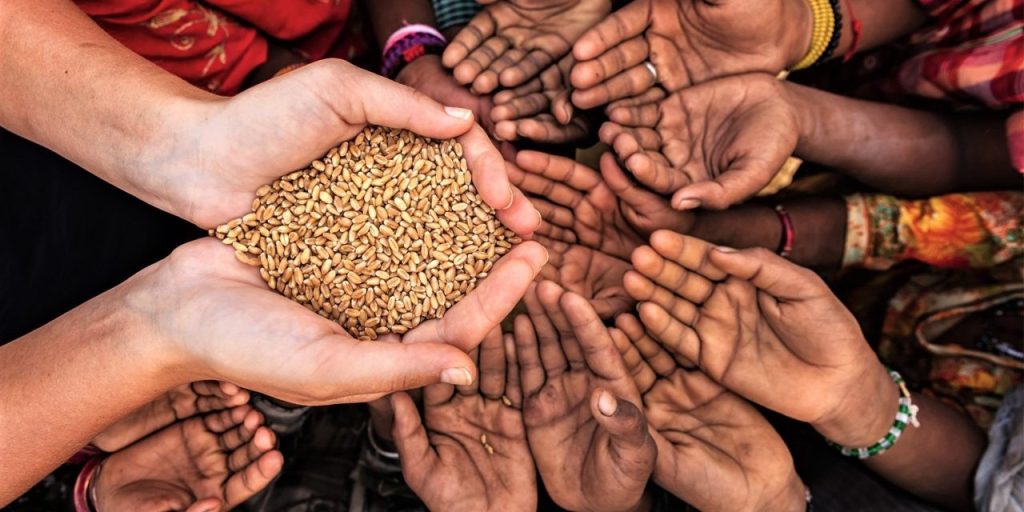
The distinction between charity and professional non-profit work is crucial, according to Inyathelo’s analysis. While charity often involves spontaneous acts of benevolence aimed at immediate relief, the NPO sector operates through deliberate, sustained professional commitments toward systemic change.
South Africa’s NPO landscape encompasses organisations tackling gender-based violence, providing quality education in underserved communities, conserving natural heritage, advocating for human rights, and empowering small businesses. These operations rely on robust methodologies informed by research and best practices.
Workers in these organisations provide legal aid, tutor children, offer psychological support, design marketing materials, and conduct data analysis. “Their contributions are not just warm bodies; they are integral components of a professional workforce,” Domingo noted.
The sector also serves as a crucial bridge to employment, particularly for young people. Through volunteerism within structured NPO frameworks, individuals gain practical experience, develop essential soft skills, expand professional networks, and explore career opportunities.
“Workers in the NPO sector are contributing to the social capital of our nation, strengthening the fabric of our communities, and actively participating in the co-creation of a more just and inclusive society,” Domingo said. “The economic value of this labour, though often unquantified, is immense, underpinning countless initiatives that government and the private sector alone cannot provide.”
Shifting public perception requires recognising NPOs as professional partners in nation-building rather than mere “helpers of the poor.” This involves demonstrating their professional capacity, systemic impact, and integral role in national development.
“To commemorate International Day of Charity in a meaningful way, we need to recognise NPOs as professional partners in nation-building, investing in their long-term impact, and engaging in volunteerism that builds skills and addresses root causes,” Domingo concluded.
Inyathelo operates a Civil Society Sustainability Hub in Woodstock, Cape Town, and provides numerous advancement publications, training videos, toolkits and research reports online. Many resources are available free of charge.




You must be logged in to post a comment.