


The City of Cape Town is calling on residents and stakeholders to have their say on how the metro’s first permanent desalination plant will be built and operated, as part of an ambitious plan to secure the city’s water future against drought and climate change.
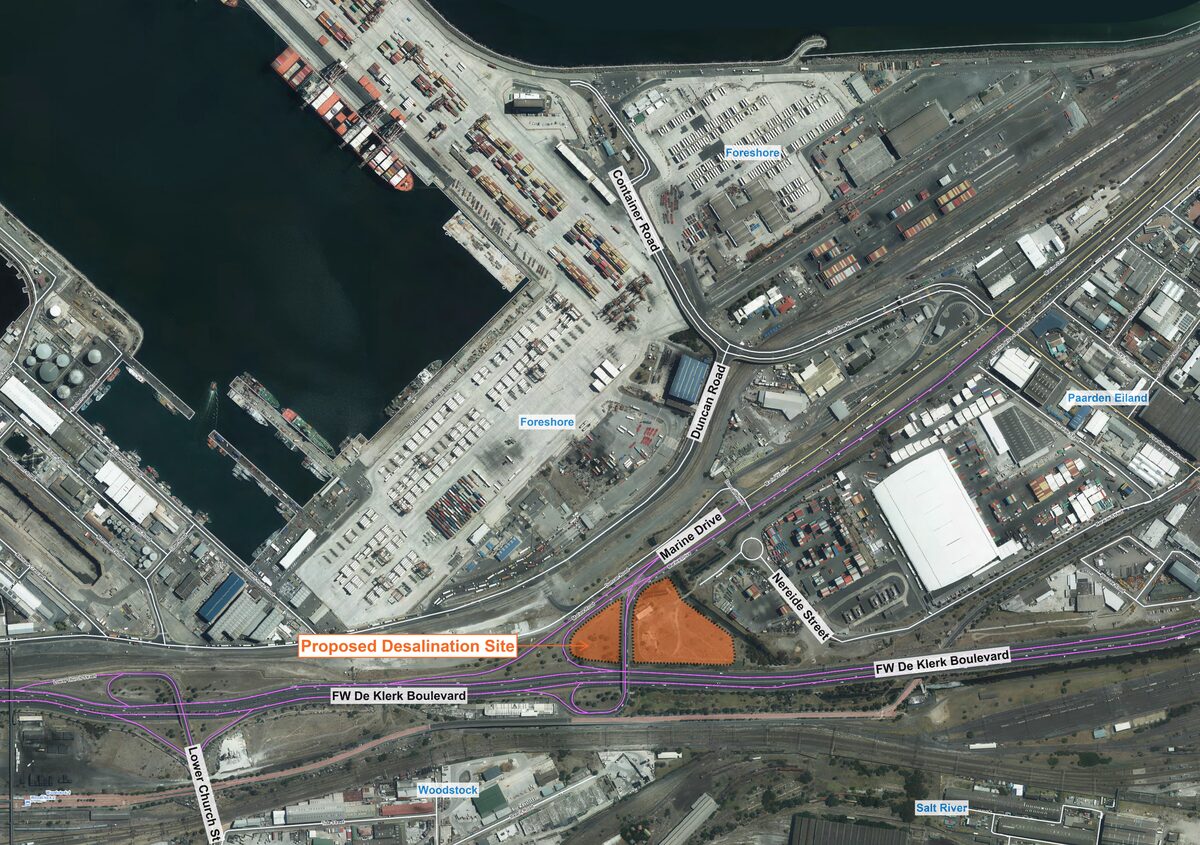
The municipality has completed a comprehensive feasibility study for the proposed Paarden Eiland Desalination Plant, which could produce between 50 and 70 million litres of clean drinking water daily when operational. Public comments on the study’s recommendations are being accepted until Sunday, 31 August.
What is desalination and why does Cape Town need it?
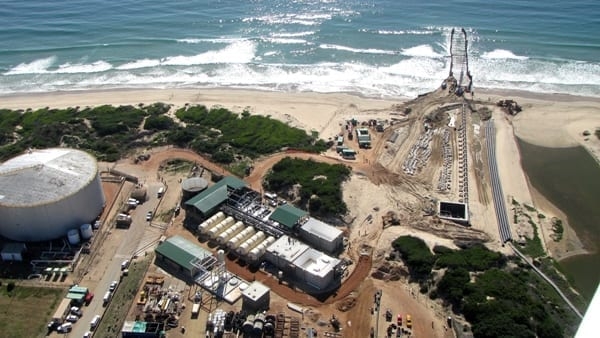
Desalination is a technological process that removes salt from seawater, then treats it further to make it safe for human consumption. Think of it as nature’s water purification system, but powered by advanced technology instead of the water cycle.
“In the face of climate change, unpredictable rainfall and a growing population, this proposed plant forms part of the City’s various water augmentation projects,” the City explained in its announcement.
The facility is a cornerstone of Cape Town’s New Water Programme (NWP), which aims to diversify the city’s water sources and reduce dependence on traditional dam supplies that proved vulnerable during the 2017-2018 Day Zero crisis.

Massive water security goals by 2032
The City has set an ambitious target to produce 300 million litres of new water from alternative sources by 2032. The desalination programme will contribute 11% of Cape Town’s total water supply, significantly improving the metro’s resilience against future droughts.
The broader Water Strategy aims to transform how Cape Town sources its water, moving away from over-reliance on rainfall-dependent dams to a diversified portfolio that includes seawater desalination, groundwater, and water recycling.
How residents and the region will benefit
The desalination plant promises several key benefits for Cape Town and surrounding areas:
Water security: The facility will provide a drought-proof water source that isn’t dependent on rainfall, ensuring consistent supply even during extended dry periods.
Population growth support: As Cape Town’s population continues to grow, the additional 50-70 million litres daily will help meet increasing demand without straining existing resources.
Economic stability: Reliable water supply supports business continuity, tourism, and economic growth – lessons learned from the economic impact of the Day Zero crisis.
Regional resilience: Improved water security for Cape Town benefits the broader Western Cape region, supporting agricultural and industrial activities that depend on metropolitan water supplies.
Climate adaptation: The plant represents a proactive response to climate change, providing infrastructure that can operate regardless of changing rainfall patterns.
Public-private partnership model recommended
The feasibility study recommends implementing the project through a Public-Private Partnership (PPP), where a private company would design, finance, build, operate and maintain the plant for 20 years before transferring it back to the City.
Importantly, the plant will remain City-owned throughout this period, ensuring public control over this critical infrastructure while leveraging private sector expertise and financing.
“The unique risk profile of desalination projects makes these facilities particularly well-suited to benefit from a PPP,” the study notes, referring to the complex technical and financial requirements of such facilities.
The Constitution requires municipalities to provide water services to communities, and Cape Town serves as the designated water services authority for the metro. The City currently owns and operates all existing drinking water supply systems and will maintain ownership of the new desalination plant.
The public participation process follows legal requirements under the Local Government: Municipal Systems Act and Municipal Finance Management Act, ensuring transparent community engagement in major infrastructure decisions.

Have your say
Councillor Eddie Badroodien emphasised the importance of public input: “Your valuable input will help shape the final feasibility study before it is considered by Council in December 2025.”
The City will host one in-person public participation session to ensure transparency, even though face-to-face engagement isn’t required for this phase.
Comment submission options (deadline: Sunday, 31 August ):
• Email: public.participation@capetown.gov.za
• Online: www.capetown.gov.za/haveyoursay
• Hand delivery: Submit written comments to your nearest Sub-council office
The full feasibility study report is available for public review, and high-resolution project images can be accessed here.
Following the public comment period, the City will incorporate community feedback into the final feasibility study, which will be presented to Council in December 2025 for final approval. If approved, the project will move into the procurement and construction phases, bringing Cape Town closer to its 2032 water security goals.
The Paarden Eiland Desalination Plant represents more than just infrastructure development – it’s a commitment to learning from past water crises and building a resilient future for one of Africa’s most important economic hubs.
ALSO READ: Dam levels stable but remain lower than 2024



You must be logged in to post a comment.