President Cyril Ramaphosa has called on South Africans to unite in finding solutions to the country’s mounting challenges, launching an ambitious “national dialogue” initiative on Friday that critics have already dismissed as an expensive exercise in futile conversation.
The nationwide public consultation process was unveiled at a convention of more than 1 000 delegates in Pretoria, aimed at addressing the persistent problems plaguing Africa’s most industrialised nation three decades after the end of apartheid.
‘Many things are broken’
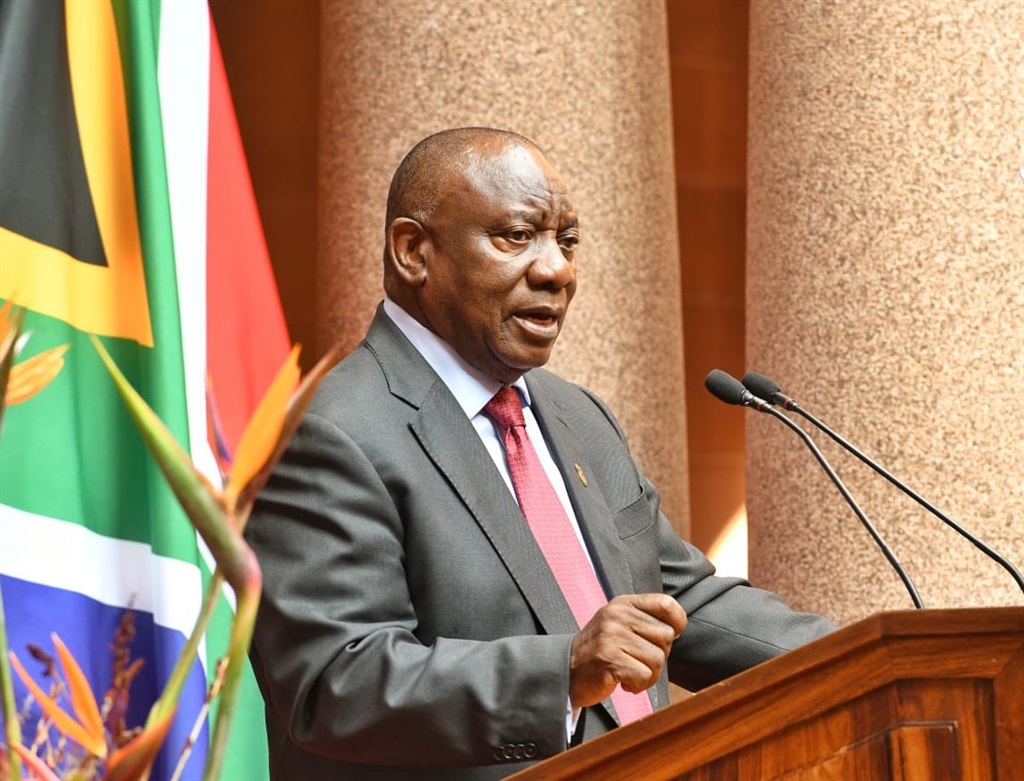
“We all agree that there are many things that are broken in our country,” Ramaphosa told the gathering, which will serve as the foundation for local-level meetings across South Africa over the next six to nine months.
“By getting together, talking to each other, we should be able to find solutions on how we can put many of the things that are broken in our country together,” the president emphasised.
The dialogue comes as South Africa continues to grapple with staggering socio-economic challenges, including unemployment that has soared past 33% – among the highest globally – and inequality levels that remain among the world’s most severe.
Organisers have identified several critical areas for discussion, including:
• High crime rates affecting communities nationwide • Land reform issues, with most farmland still controlled by the white minority • Economic inequality and widespread poverty • Unemployment crisis affecting over a third of the population
Political opposition and skepticism
Despite the African National Congress (ANC) promoting the initiative as a genuine “conversation among South Africans” to chart a brighter future, the dialogue has faced significant criticism from political opponents.
The Democratic Alliance (DA), the second-largest party in the year-old government of national unity, has been particularly vocal in its opposition. The party has labelled the process as “meaningless” and an “obscene waste” of public money, announcing it will not participate.
The scepticism extends beyond opposition parties. The two-day convention was notably absent of key supporters, including former president Thabo Mbeki, who withdrew due to concerns about the rushed timeline and budget allocation.
Call for national participation
Undeterred by the criticism, Ramaphosa has appealed to citizens across the diverse nation of 63 million to engage in the process.
“We must aim to emerge from this process with a shared national vision: one that is bold enough to inspire, yet practical enough to implement,” he declared.
The national dialogue represents Ramaphosa’s latest attempt to address South Africa’s deep-rooted challenges through consensus-building and public participation. However, with major political parties already boycotting the process and questions raised about its effectiveness and cost, the initiative faces an uphill battle to achieve meaningful outcomes.
The success of this months-long consultation will likely depend on whether it can move beyond political rhetoric to deliver tangible solutions for South Africa’s most pressing problems.