The remains of a British meteorologist who perished during an Antarctic expedition in 1959 have been recovered from a glacier six decades after his tragic death, the British Antarctic Survey announced yesterday.
The remains have been identified through DNA testing as those of Dennis “Tink” Bell, aged 25, who died whilst working for the Falkland Islands Dependencies Survey – the predecessor to the British Antarctic Survey (BAS), Britain’s premier polar research institute.
Bell met his fate on 26 July 1959, at Admiralty Bay on King George Island, situated 120 km off the Antarctic coast. He had been stationed at a small British research facility for what was intended to be a two-year assignment.
Fatal glacier survey
The young scientist had embarked upon a glacier survey expedition with three colleagues when tragedy struck. Bell fell through a crevasse—a deep fissure in the ice—and his body was never recovered at the time.
The remains, exposed by the recession of the glacier, were discovered on 19 January this year by researchers from the Henryk Arctowski Polish Antarctic Station.
Decades-long mystery resolved
“This discovery brings closure to a decades-long mystery and reminds us of the human stories embedded in the history of Antarctic science,” stated Dr Jane Francis, Director of the British Antarctic Survey.
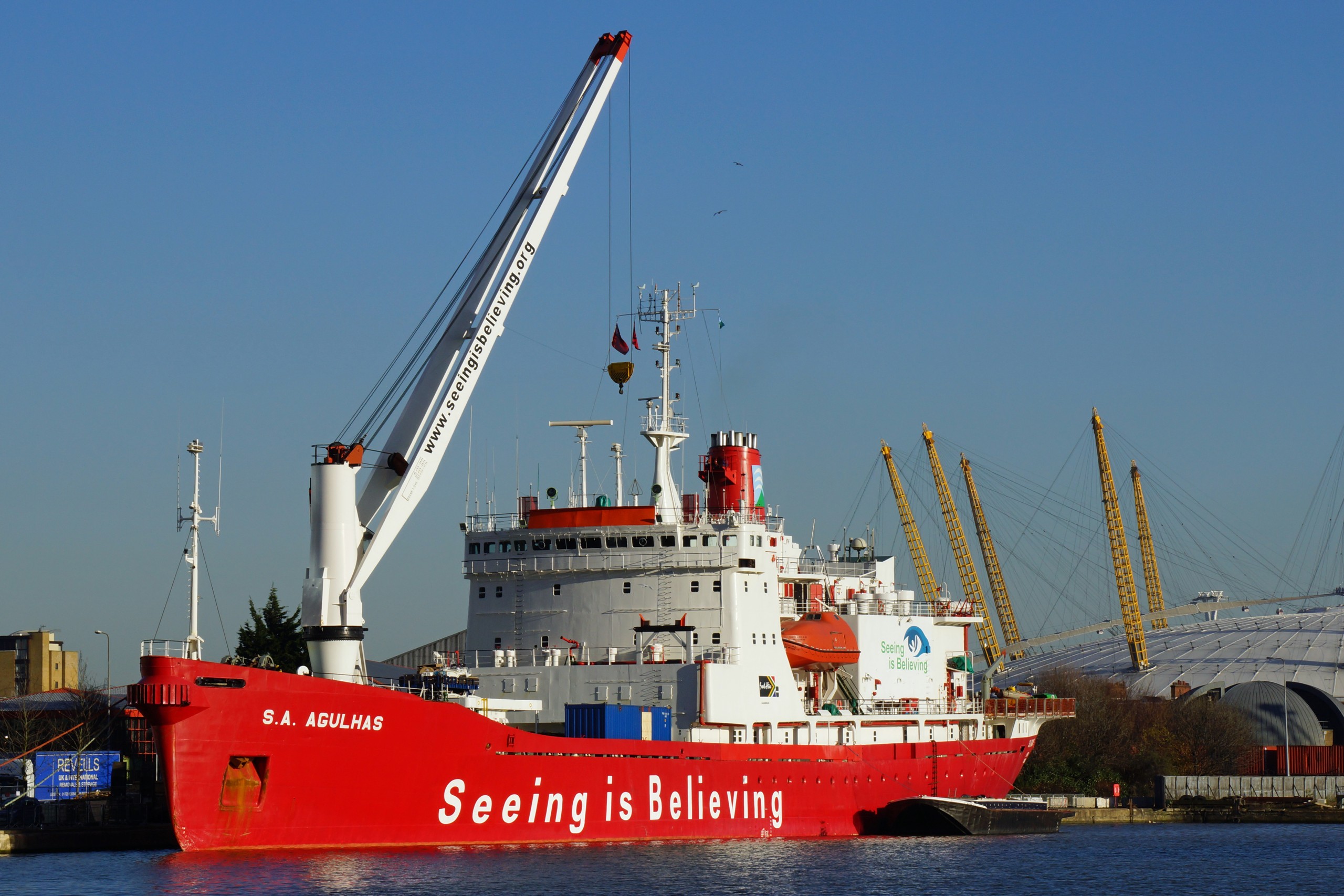
The bone fragments were transported to the Falkland Islands aboard the BAS Royal Research Ship Sir David Attenborough before being conveyed to London for comprehensive DNA analysis.
Alongside the remains, the Polish research team discovered more than 200 personal items, including radio equipment, a torch, ski poles, an inscribed wristwatch, and a Swedish-manufactured knife.
Family’s emotional response
Bell’s brother, David Bell, who lives in Australia, described the discovery after 66 years as leaving him and his sister “shocked and amazed.”
“Dennis was the eldest of three siblings and was my hero, as he seemed able to turn his hand to anything,” Bell remarked.
Francis described the confirmation of the remains as “both a poignant and profound moment for all of us at British Antarctic Survey.”
She added that Bell “was one of the many brave personnel who contributed to the early science and exploration of Antarctica under extraordinarily harsh conditions.”
The discovery serves as a sobering reminder of the perils faced by early Antarctic researchers, whose pioneering work laid the foundation for modern polar science.