

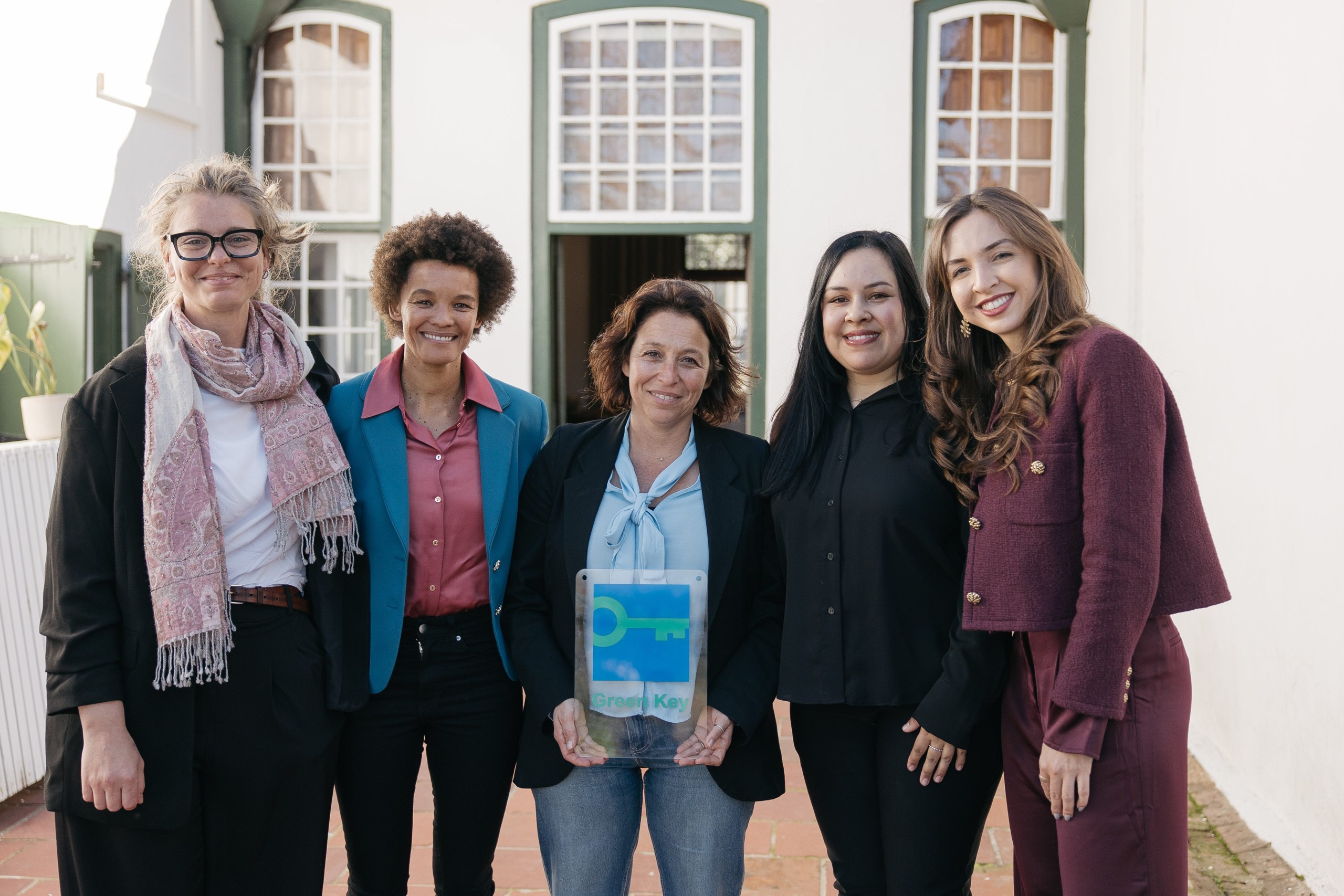
PAARL – A 340-year-old South African wine estate has made history by becoming the first wine estate globally to achieve Green Key certification for its accommodation, setting a new benchmark for sustainable tourism as the industry grapples with its environmental footprint.
Boschendal, nestled in the Franschhoek valley, announced the landmark achievement rcently as new research warns that tourism could account for 15% of global greenhouse gas emissions by 2034 if current growth patterns continue unchecked.
Tourism industry at environmental crossroads
The timing of Boschendal’s certification comes as the World Economic Forum’s latest report highlights a growing paradox in global tourism. While nature remains the primary draw for travellers, unchecked tourism is accelerating biodiversity loss, waste production, and carbon emissions—threatening the very ecosystems that attract visitors.
With tourism projected to generate 30 billion visits and contribute $16 trillion to the global economy by 2034, the industry faces unprecedented scrutiny over its environmental impact.
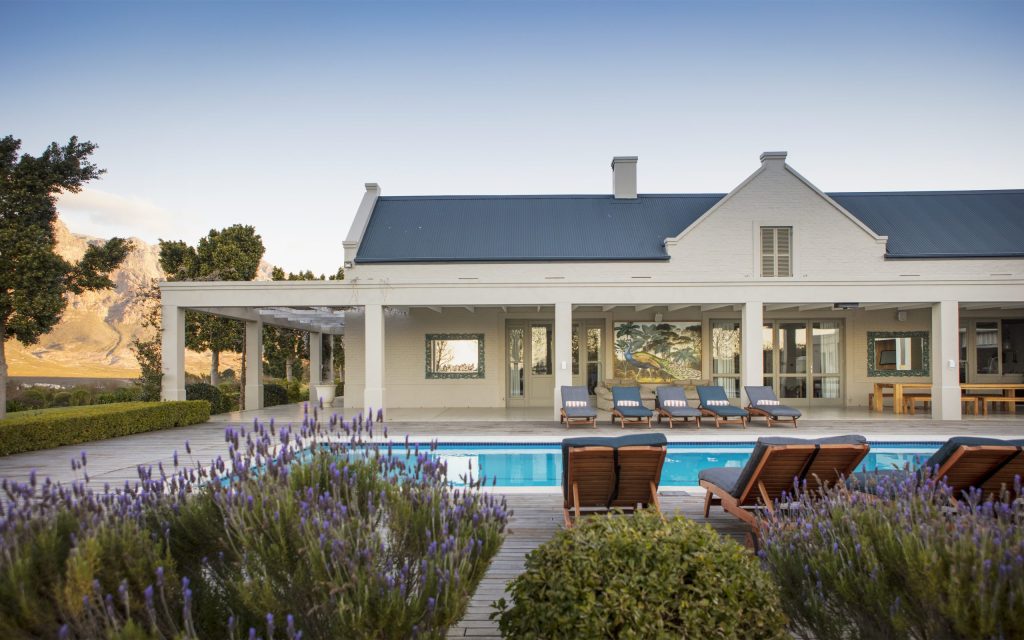
Setting new standards for wine tourism
The Green Key certification, managed nationally by the Wildlife and Environment Society of South Africa (WESSA), is one of the most respected global eco-labels in the tourism industry. It requires rigorous compliance across environmental management, resource efficiency, ethical practices, and community engagement.
“This landmark achievement underscores our commitment not just to hospitality excellence, but to actively regenerating the land and people that sustain us,” said Amy Kropman, CEO of Boschendal Farm.
WESSA CEO Cindy-Lee Cloete described the milestone as “truly remarkable” and setting “a global precedent” for sustainable wine tourism.
Practical steps towards sustainability
From 1 August, Boschendal introduced a 2% Conservation Levy on all accommodation stays, directly funding biodiversity-friendly farming, conservation of indigenous species, and improvements in water and energy efficiency.
The estate has also expanded its solar infrastructure and implemented comprehensive environmental management practices, including:
- Dedicated environmental manager and green committee oversight
- Formal sustainability policy addressing climate change and biodiversity protection
- Measurable reductions in carbon emissions, water consumption, and waste output
- Local partnerships supporting biodiversity conservation and youth development
Regenerative farming at the forefront
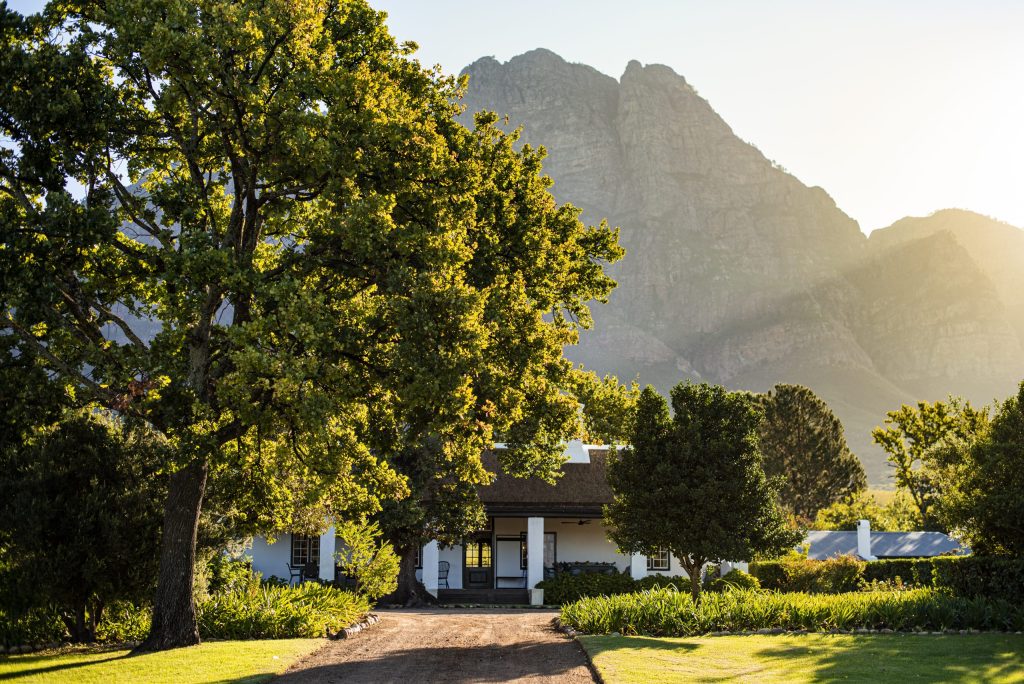
Beyond certification requirements, Boschendal’s Future of Farming initiative demonstrates advanced regenerative practices. The programme includes holistic soil regeneration, integrated livestock rotations with free-roaming cattle, pigs, chickens, and bees, plus smart monitoring technology for precision land management.
The estate conserves over 700 hectares in partnership with the Greater Simonsberg Conservancy, safeguarding crucial biodiversity corridors.
Meeting changing tourist expectations
“We see Green Key not as a badge, but as a commitment to regeneration, accountability and purpose,” Kropman explained. “Guests from key markets like the UK and Germany increasingly seek aligned, impactful travel experiences—and this certification brings credibility to that promise.”
Tevya Visser, Green Key Programme Manager at WESSA, praised the collaboration: “The team’s energy, collaboration, and deep commitment to sustainability are truly inspiring. This achievement sets the tone for environmentally responsible hospitality across South Africa’s wine regions.”
Global blueprint for heritage destinations
As Boschendal celebrates 340 years of history this September, the certification positions the estate as a global exemplar of how heritage destinations can evolve into regenerative leaders while maintaining world-class hospitality standards.
The achievement comes at a critical time when the tourism industry must balance growth with environmental responsibility, offering a potential blueprint for sustainable development in one of South Africa’s most important economic sectors.
Founded in 1685, Boschendal spans 1 800 hectares in the Drakenstein Valley and is recognised as one of South Africa’s oldest and most iconic wine estates, offering award-winning wines, farm-to-table dining, luxury accommodation, and outdoor experiences.




You must be logged in to post a comment.