

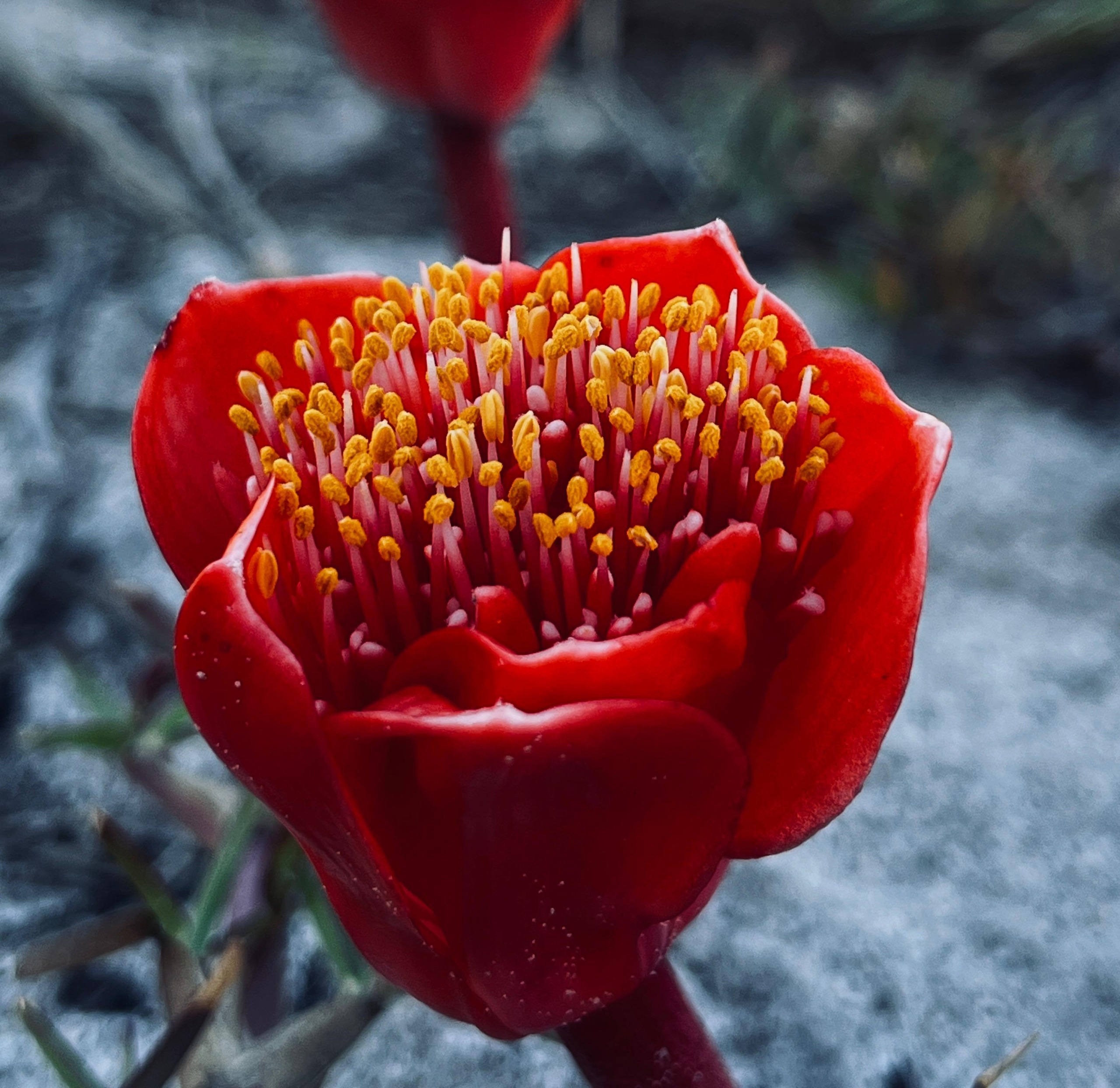
Take part in the 2026 City Nature Challenge and capture Cape Town’s living nature this coming long weekend.
The annual City Nature Challenge 2026 will take place from Friday 24 April to Monday 27 April. Residents are encouraged to record as many wildlife findings in the city and upload their photos to the iNaturalist app over this period. Participants simply need to download the iNaturalist app, get their cameras ready and record their findings. Experts will then help to identify the fauna or flora.
Competing with international cities
Cape Town is competing with various international cities to record the most observations of local plant and animal species, according to a media release by the City. “It’s that time of the year again where we are asking residents right across Cape Town to capture photos of all the wildlife they can find and to participate in the annual City Nature Challenge,” said Eddie Andrews, the City’s deputy mayor and Mayco member for spatial planning and environment.
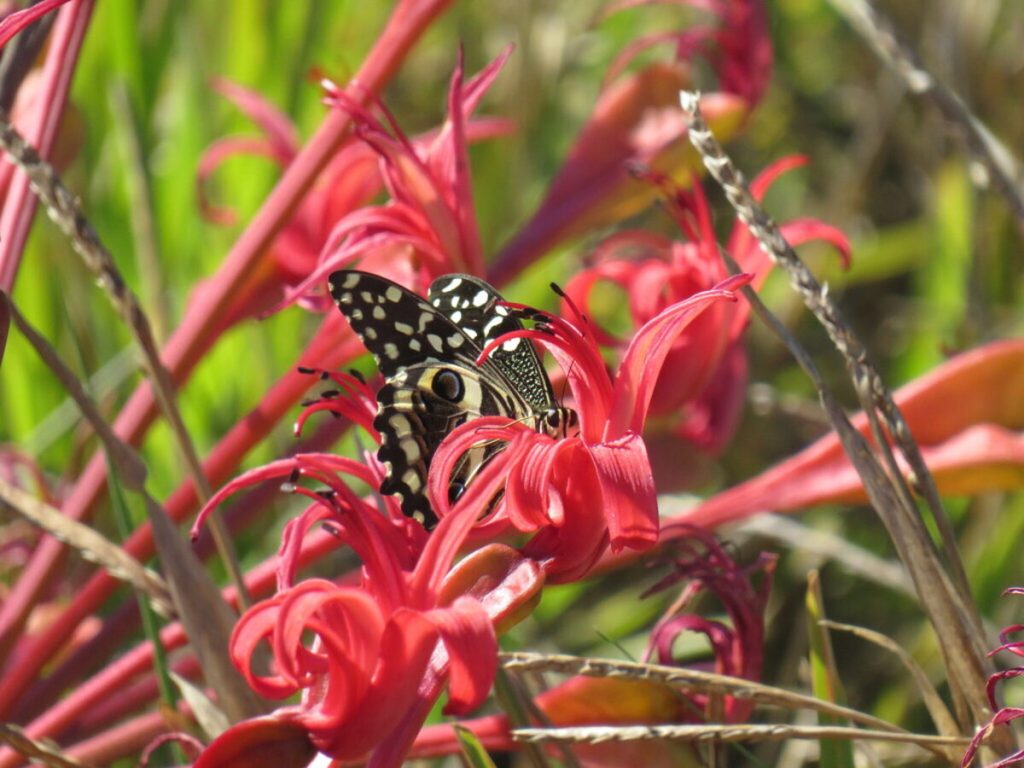
“All you have to do is download the free iNaturalist app and start uploading all the plant, animal or insect findings you come across. If you do not find any live animals on your search, you can even record remnants such as mussel shells or feathers as they are signs of life.
“We have arranged free entry at all of our reserves for the challenge and encourage residents to go out and enjoy the outdoors over the coming long weekend. All contributions of wildlife are welcome, regardless of the location, so whether you explore a conservation area, your local park or your backyard, go and see what is out there,” Andrews said.
Spoilt for choice
Residents in Cape Town are spoilt for choice with an array of nature reserves and conservation areas right on their doorstep. Guided tours at coastal and inland protected areas across the city can be arranged for interested groups. Participants will have the opportunity to photograph an array of species ranging from reptiles to birds and fynbos to marine life.
“Our nature reserves protect and conserve our city’s natural areas and biodiversity heritage, as well as offer both recreational and educational activities.
“Over the years, residents have recorded all kinds of weird and wonderful wildlife in Cape Town during the challenge. A helpful tip for interested residents is to visit the iNaturalist website to get inspired about what is out there to discover, before going out to explore,” he said.
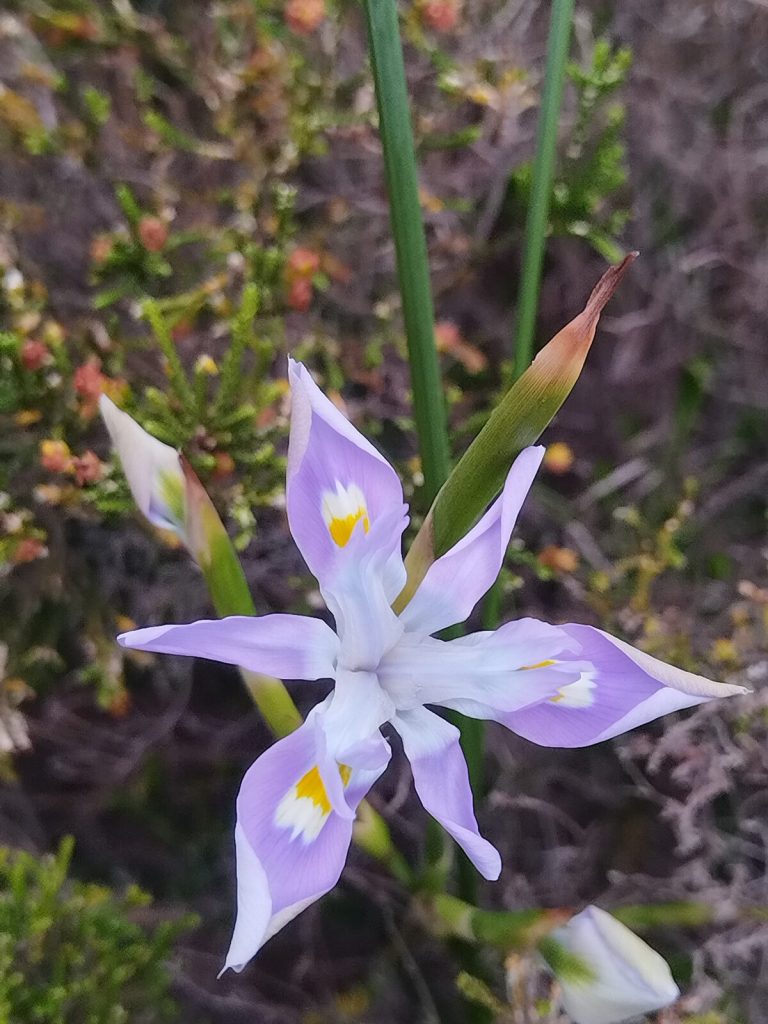
The city has 16 nature reserves which can be visited: Blaauwberg Nature Reserve (Bloubergstrand), Bothasig Fynbos Nature Reserve (Bothasig), Botterblom Nature Reserve (Vierlanden, Durbanville), Bracken Nature Reserve ( Brackenfell), Durbanville Nature Reserve (Durbanville), Edith Stephens Nature Reserve (Philippi), False Bay Nature Reserve (Grassy Park/Zeekoevlei), Harmony Flats Nature Reserve (Strand), Helderberg Nature Reserve (Somerset West), Steenbras Nature Reserve (near Gordon’s Bay), Table Bay Nature Reserve (Table View), Tygerberg Nature Reserve (Welgemoed), Uitkamp Wetland Nature Reserve (D’Urbanvale, Durbanville), Witzands Aquifer Nature Reserve (Atlantis), Wolfgat Nature Reserve (Mitchells Plain) and Zandvlei Estuary Nature Reserve (Steenberg).
- Visit https: www.capetown.gov.za for the location of the nature reserves.
- Contact Eleanor Hutchings at Eleanor.Hutchings@capetown.gov.za or visit www.inaturalist.org for more information.
READ ALSO: City seeks Council backing for new nature reserves

You must be logged in to post a comment.