

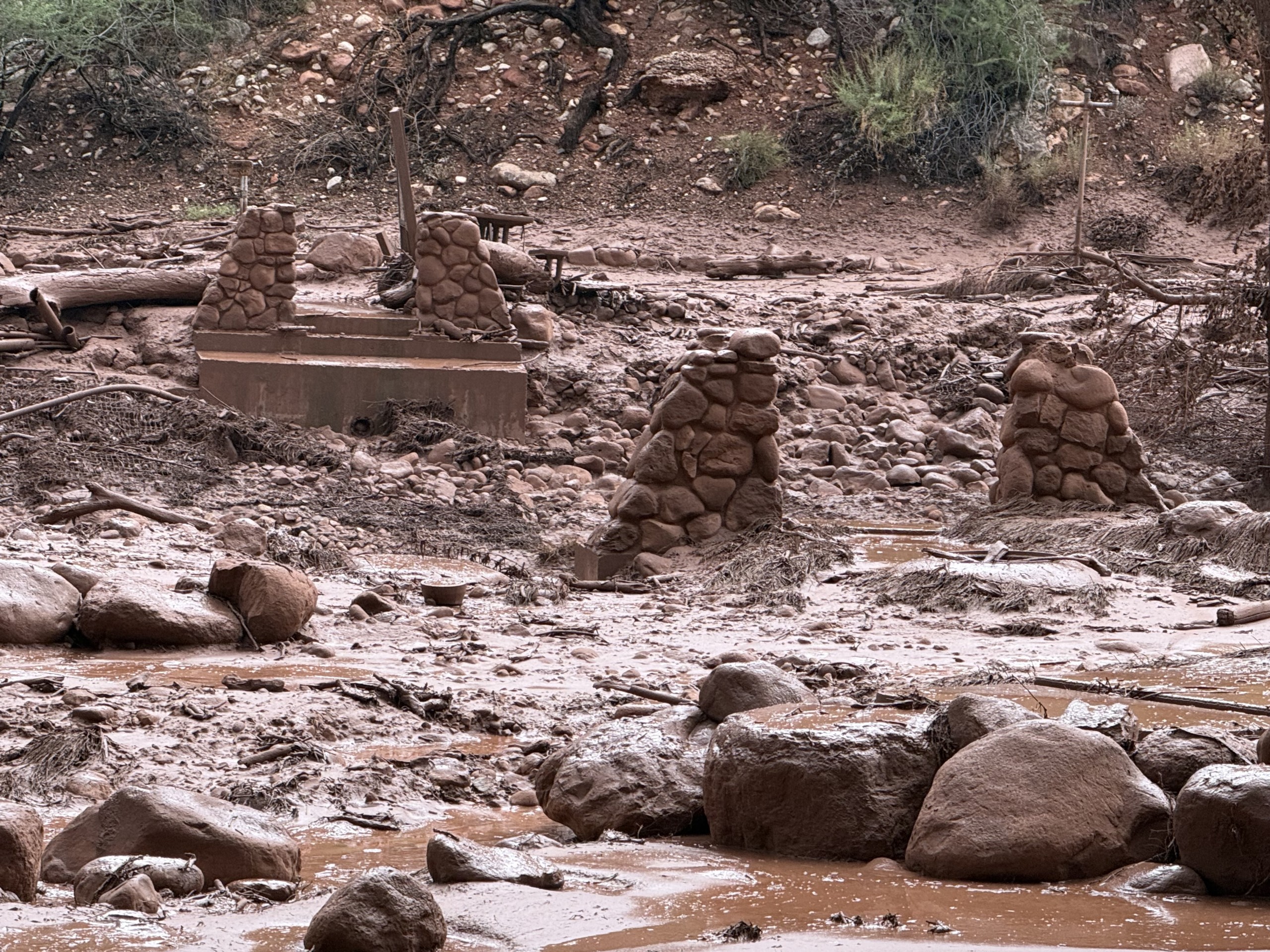
At least one person has been killed and around 15 others remain missing after a flash flood struck the Grand Canyon, one of the most popular tourist sites in the United States, the National Park Service said on Sunday.
The floods hit the Bright Angel Canyon and Phantom Ranch area on Saturday, forcing dozens of people to evacuate and damaging the sole water pipeline serving the park.
The body of a man (46) was recovered on Sunday evening near Crystal Rapids along the Colorado River in northern Arizona, the park service said.
Video footage taken by hikers showed a torrent of muddy water rushing past trails and beneath footbridges, with logs and debris floating down swollen rivers accompanied by a rumbling roar.
Dozens evacuated
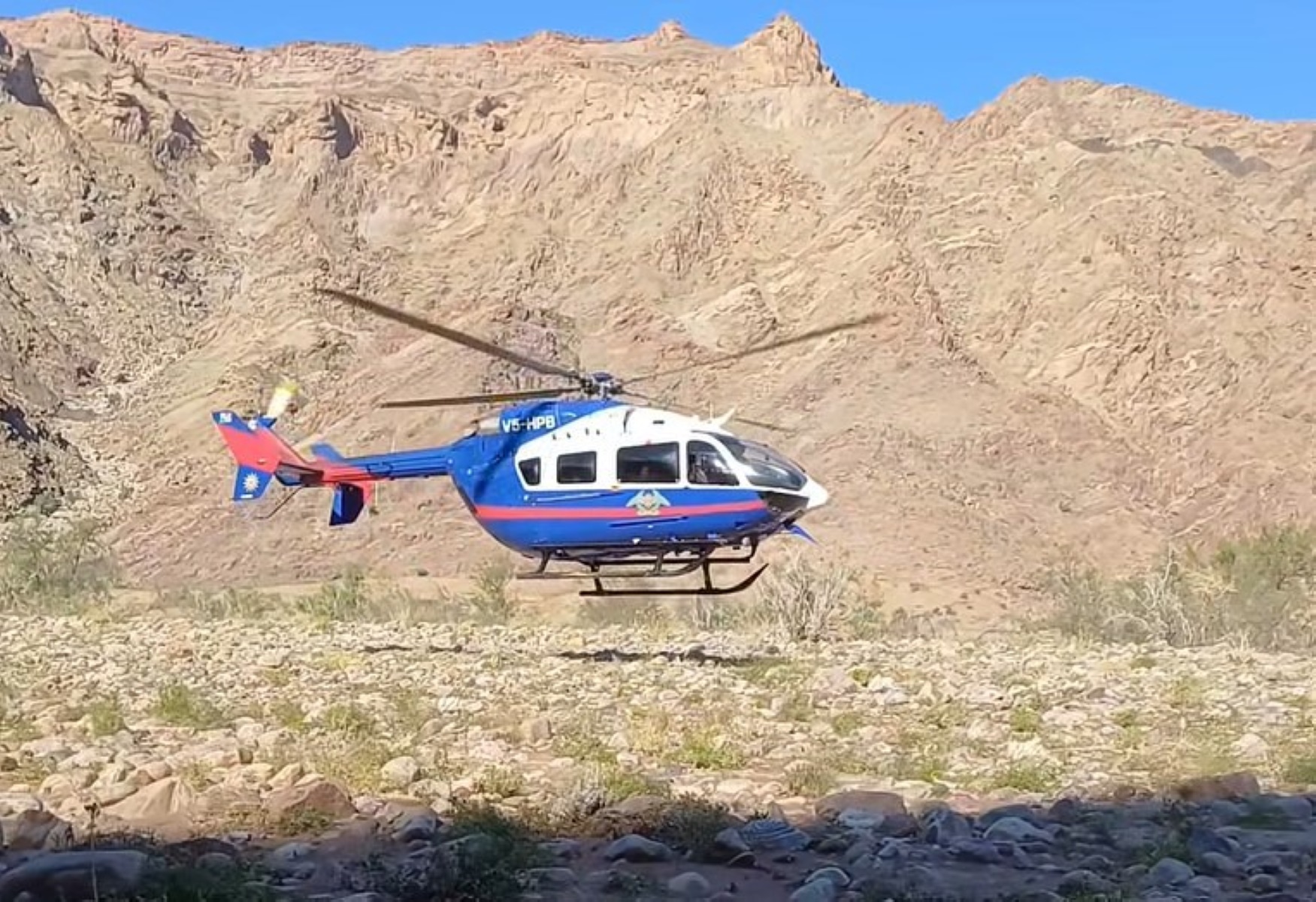
The park service said it was working with Arizona authorities to evacuate people and account for missing individuals. As of Sunday morning, 62 people had been evacuated, with others scheduled for later.
Officials said around 15 people were thought to be missing, revising an earlier figure of more than 20.
The flash flood began around 14:30 on Saturday, caused by rainfall on the Kaibab Plateau.
Infrastructure severely damaged
The flooding damaged the Transcanyon Waterline, a key water pipeline serving Grand Canyon National Park, prompting officials to announce water restrictions in its most visited area and a ban on wood and charcoal fires.
The 20-kilometre pipeline runs from the Roaring Springs source on the North Rim to the South Rim, providing drinking water and fire suppression, according to the park’s website.
The flooding also resulted in significant damage to infrastructure, destroying footbridges and blocking hikers from crossing Bright Angel Creek, the park service said.
Overnight accommodations were to be closed from Monday.
“These measures are crucial for ensuring the safety and sustainability of water resources,” the park service said.
Further storms expected
More thunderstorms and heavy rainfall are possible through Monday, which could lead to additional flash flooding, debris flows, rockfall and changing trail and river conditions, the park service warned.
Flash floods are common in northern Arizona because the arid, sparsely vegetated environments found in the area have little capacity to absorb rain, the park’s website said, urging visitors to be especially cautious from July to mid-September.
About the Grand Canyon
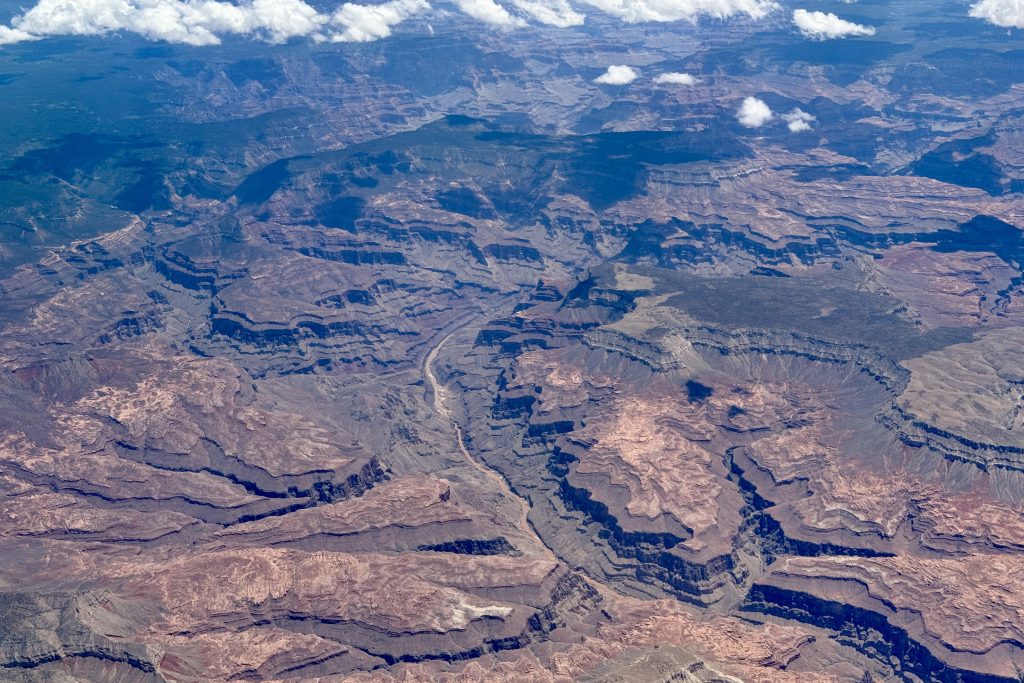
The Grand Canyon, considered one of the greatest wonders of the natural world, is the result of the Colorado River eating away at layers of red sandstone and other rock for millions of years, leaving a chasm up to 29 km wide and more than 1.6 km deep.
Last year almost five million people visited the site.


You must be logged in to post a comment.