The Chemical Industry’s Education and Training Authority (CHIETA), has launched a coded welding pilot project.
It is a blended learning approach involving welding simulation and practical learning, which is also face-to-face, in line with technology’s trajectory worldwide.
The project’s closing event took place at West Coast College in Vredenburg on Thursday 17 February.
It had accommodated 115 students at six Technical Vocational Education and Training (TVET) colleges in four provinces and was part of CHIETA’s ongoing drive to embrace the Fourth Industrial Revolution (4IR).
Yershen Pillay, CHIETA’s CEO, said the blended learning approach was also an indirect response to an instruction from the Department of Higher Education, Science and Innovation for Sector Education and Training Authorities to CHIETA to revise its skills development initiatives in the face of Covid-19.
Deputy Minister of Higher Education, Science and Innovation Buti Manamela stated the challenges presented by the pandemic created opportunities for training service providers to accelerate digital skills development strategies. These strategies were envisioned to re-skill, trans-skill, and up-skill large numbers of workers to take up opportunities within existing enterprises or start new businesses and cooperatives.
Manamela added that, where possible, online delivery of training programmes be promoted as the new norm, and obstacles to this methodology be removed.
He noted the 4IR necessitates foster digital transformation and automation of work processes and with that come new skills requirements.
He said the project provided the TVET colleges with the opportunity to improve the quality of their training, while also ensuring recommendations for the implementation of a blended learning approach be developed within the sector in the foreseeable future.
“From the lessons learnt by the TVET colleges through the blended learning approach,” said Manamela, “we will be in a stronger position to establish best practices that advance job creation and boost the country’s economic prospects.”
CHIETA has explored wide ranging new approaches in the digitisation of skills development, which includes in-depth research into the status of e-learning and e-assessments.
Pillay said the implementation of this pilot project is one of the recommendations of this research.
The coded welding programme’s blended learning approach has four key components, which are:. Online learning. Face-to-face learning. Virtual welding. Practical learning in welding workshops
“Our programme’s comprehensive curriculum was developed with participation from several stakeholders and is registered with the Quality Council for Trades and Occupations (QCTO) and supported by the Department of Higher Education and Training (DHET),” Pillay added.
“This pilot project holds benefits for the participating TVET colleges as well as for the wider skills development sector within our SETA’s sphere of operation.”
The pilot project was implemented at the following TVET colleges that applied for and were awarded grants from CHIETA Strategic Projects Discretionary Grants funding window of April 2021:. West Coast College, Vredenburg . Boland College, Worcester. College of Cape Town, Thornton. Umfolozi College, Richards Bay. Maluti College, Kwetlisong. Gert Sibande College, Standerton
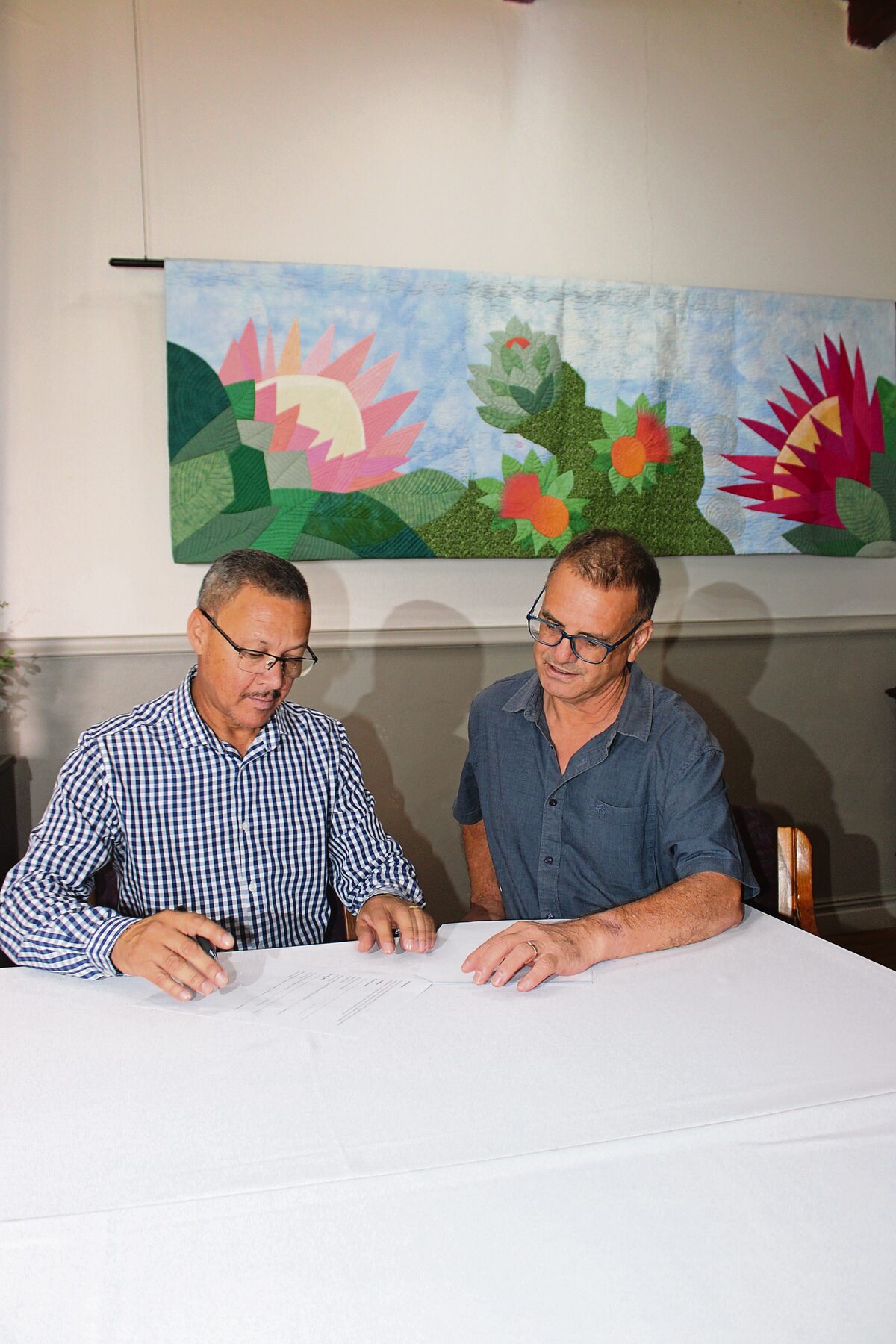
The average training period on the coded welding programme is about six months, but the Memoranda of Agreement (MoAs) signed by the TVET colleges with CHIETA were valid from August 2021 to December 2022.
The colleges started their training at different times. Three started in November 2021 and three in mid-January 2022.
The pilot project was finally closed in October 2022 with final assessments set centrally by the CHIETA to standardise the project and give it a unique status.
Pillay explains that coded welders are individuals who have completed a Welder Approval Test in a specific welding configuration.
“Coded welders stand a better chance of employment than non-coded welders and they have the skills needed to work in highly regulated environments and sectors,” she said.
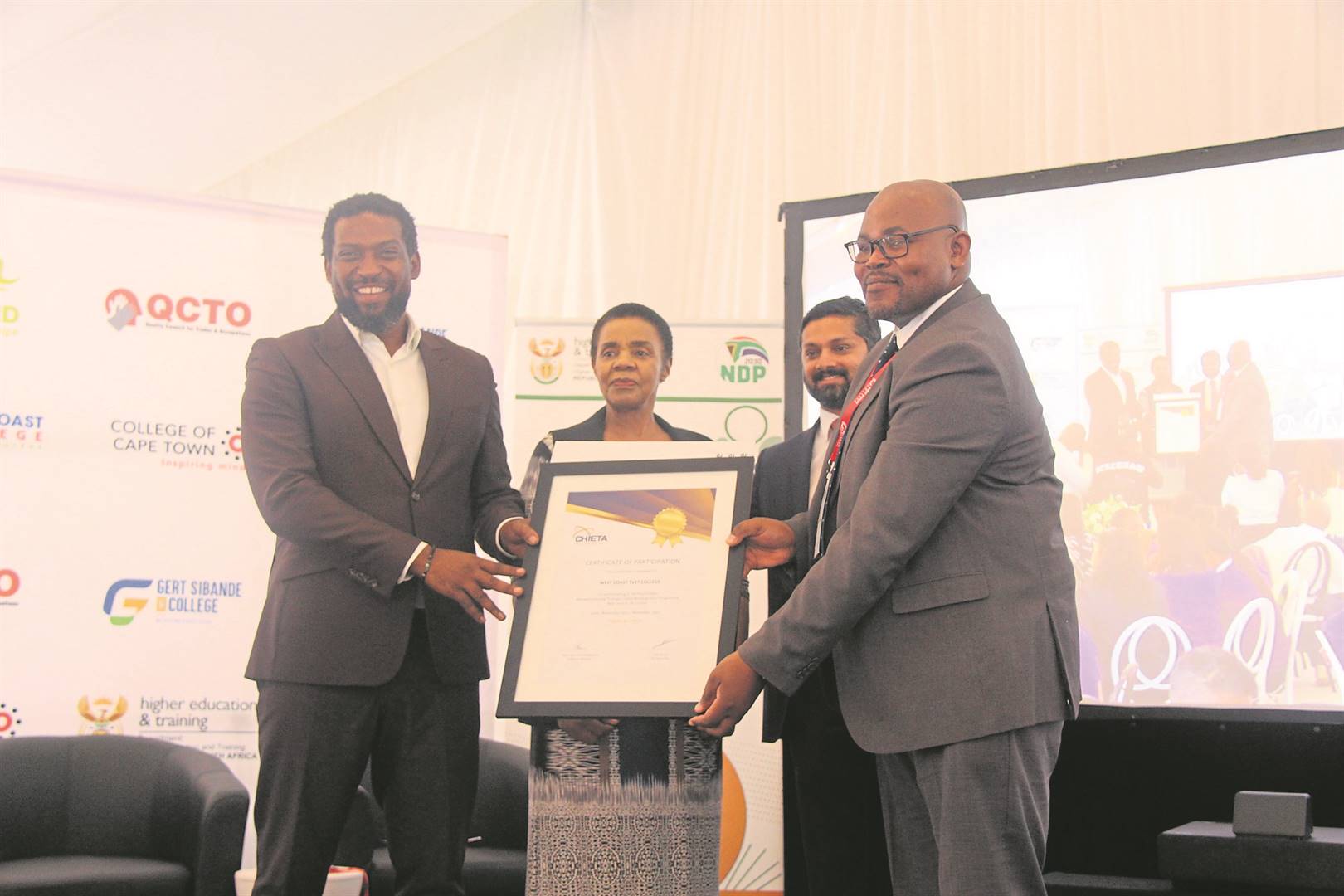
At the end of the event the colleges received their certificates of participation, a moment they were all proud of.