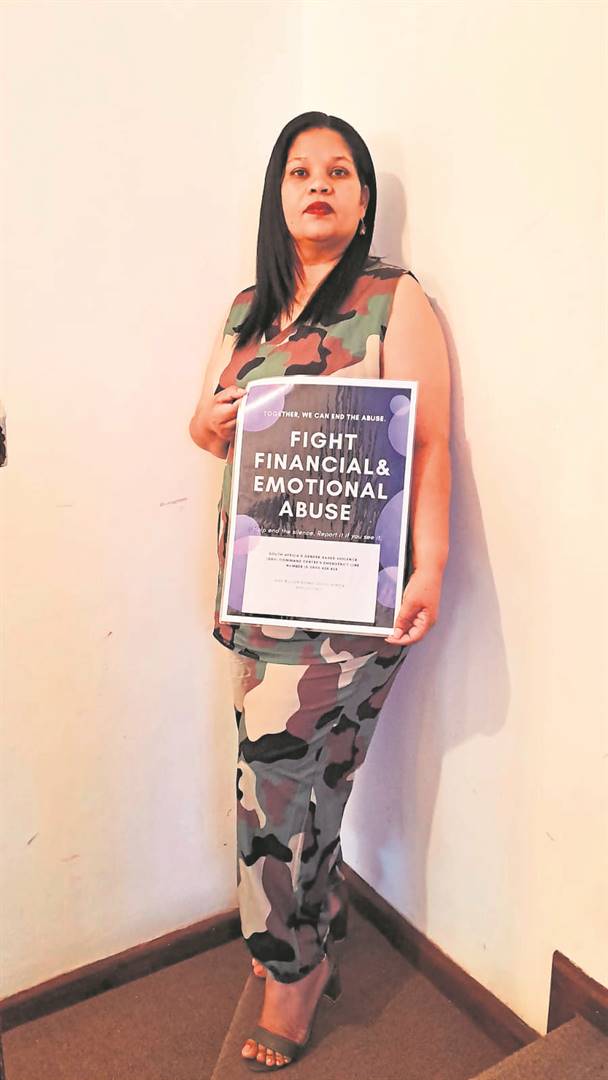
How would you describe financial and emotional abuse, and how do the two go hand in hand?
Financial abuse refers to the control, manipulation or exploitation of a person’s financial resources, leaving them financially dependent and vulnerable, also withholding financial support towards dependants.
Emotional abuse involves the use of tactics such as intimidation, humiliation, gaslighting or constant criticism to undermine someone’s confidence and mental well-being. The two often go hand-in-hand because emotional abuse can make a person feel worthless or incapable of managing their finances, while financial abuse restricts their independence, making it harder to leave the relationship or assert control over their own life. This creates a cycle where the person feels trapped both financially and emotionally. Not coping financially if the other party doesn’t contribute financially is always a source of stress when making the budget balance.
How has this affected you and your life?
It’s been incredibly draining. The feeling of not being in control of my own finances makes me anxious and helpless. On top of that, the emotional abuse eroded my sense of self-worth and left me questioning my own judgment. It took years to rebuild my confidence, and the scars still remain, but I’m learning to reclaim my life one step at a time.” We siting with systems that is not pro single parent and we need to develop those legislature because its very unfair towards the present parent.
Would you say these types of abuse go unseen and why?
Yes, they often go unseen because they are subtle and don’t leave physical marks. Financial abuse can be disguised as concern or control, making it difficult to recognise. Emotional abuse can be dismissed as “just an argument” or someone “overreacting.” Victims may not even realise they are being abused or may be too ashamed or scared to speak out. It’s often overlooked by society because it does not involve the obvious signs of physical violence.
You mentioned that your maintenance has been tough, is this something you have noticed among many men and women on the West Coast? Yes, the financial pressures are quite intense. Whether it’s due to the high cost of living, the competitiveness of the job market, or the prevalence of toxic relationships I’ve seen both men and women on the West Coast struggling with their own finances while dealing with the emotional toll of living under such pressures. It can often be a barrier to seeking help or even realising the need for change because they feel like they’re just barely holding things together.
What advice do you have for someone going through financial and emotional abuse?
First and foremost, know that you are not alone and that this situation does not define you. Seek support, whether it’s from trusted friends, family, or professionals who specialise in helping abuse victims. It’s important to build a support network and look into resources, like financial literacy programs, shelters, or therapy, to help you regain your independence. Don’t let shame keep you silent; speak up and take the first step to reclaim your power.
What do you think society needs to do or contribute to stop this from happening?
Society needs to raise awareness about the hidden nature of financial and emotional abuse. More education around healthy relationships, financial independence, and emotional well-being in schools and communities would help. Legal reforms could protect victims of financial abuse more effectively, and workplaces need to be more open to supporting employees experiencing these forms of abuse. There also needs to be more focus on providing financial and emotional resources to those in need, regardless of gender.
As an activist how do you aim to help with this issue?
As an activist, I work to raise awareness through advocacy, education, and supporting initiatives that offer resources to those affected. I aim to provide spaces for people to share their stories, organise campaigns and push for policies that protect victims of financial and emotional abuse. By creating more visibility around these issues, I hope to make it easier for people to come forward and get the help they need.
Why is this topic so important during 16 Days of Activism?
The 16 Days of Activism is a crucial time to bring attention to all forms of gender-based violence, and financial and emotional abuse are often invisible parts of that spectrum. These abuses not only affect people’s immediate well-being, but also have long-term effects on their mental health and financial stability. This campaign is a reminder that we need to fight all forms of abuse, and that includes supporting those who may be suffering in ways that are not as visible or talked about.