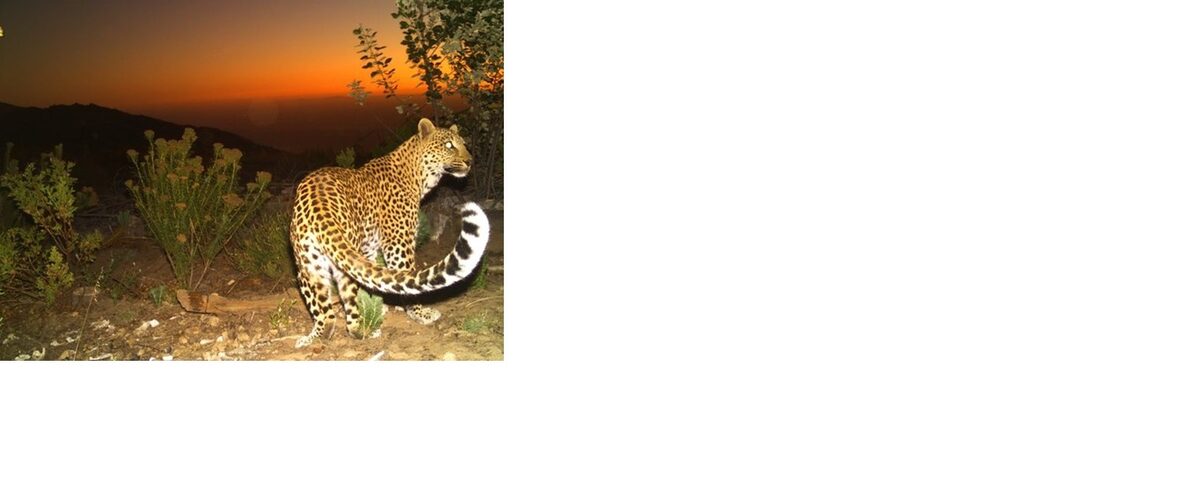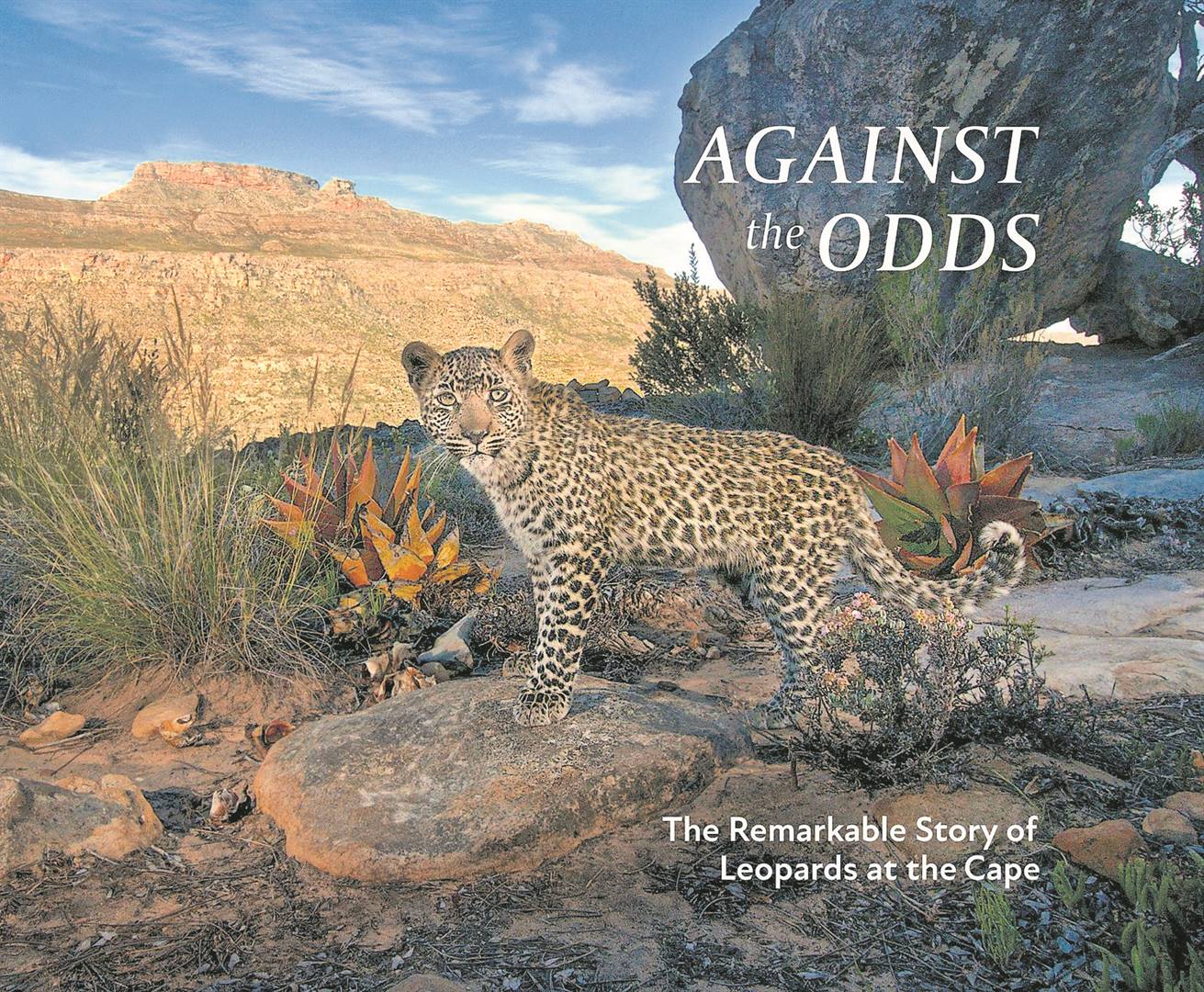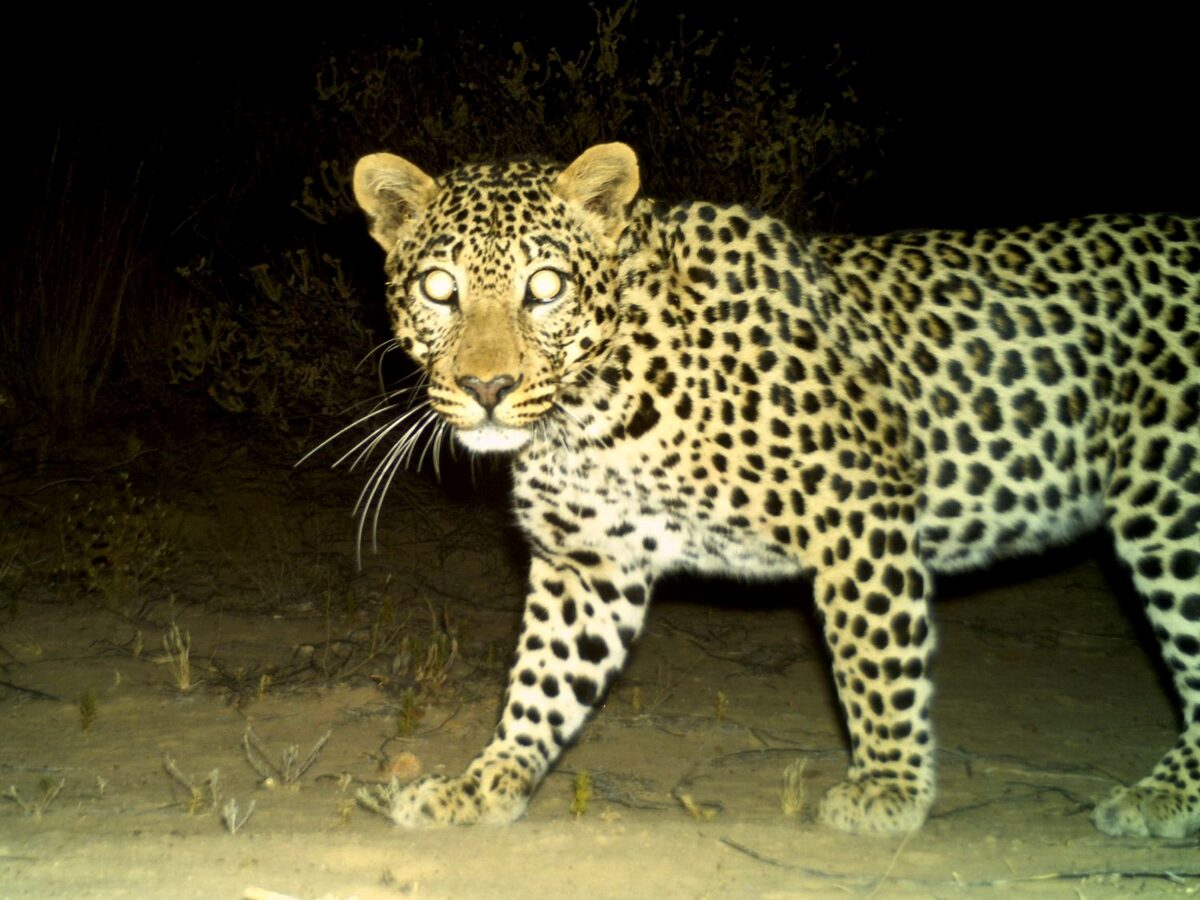
- The Cape Leopard Trust (CLT) conducted a large-scale survey of the Cederberg, covering over 1,600 km², using 67 camera stations to capture more than 240,000 photos.
- Initial results indicate good species diversity, with at least 29 mammal species recorded, and leopards were detected at 60 of the 67 locations, identifying 37 different adult leopards.
- The survey, supported by CapeNature and various landowners, aims to update the leopard population density estimate and inform conservation efforts in the region.
The Cape Leopard Trust (CLT) research team conducted a large-scale survey of the Cederberg from June to December last year.
The survey spanned an area of over 1 600 km² of rugged Cederberg landscape with 67 paired camera stations placed along jeep tracks and hiking trails in this region of mostly pristine montane Fynbos habitat, consisting of provincial and private nature reserves, commercial and guest farms, and communal lands.
The research team has finished sifting through the more than 240 000 photos with the help of WildID, an online machine learning programme that semi-automates the process of identifying and labelling the species in each of these images. This helps immensely, especially considering that a whopping 29 000 of these images were of humans – mainly researchers servicing the cameras, as well as hiker and trail runner legs.
Initial results from the survey indicate good species diversity with at least 29 mammal species recorded – mostly native wild species like genet, mongoose, honey badger, aardvark and aardwolf. The species encountered most often were baboon, rock hyrax (dassie), klipspringer and grey rhebuck. As usual, the cameras also recorded several bird species, including spotted eagle-owl, rock kestrel, hamerkop and South African shelduck.
22 weeks
After 22 weeks of data collection, the survey recorded leopards at 60 of the 67 camera locations, a success rate of 90%. Using the pattern recognition software of African Carnivore Wildbook as well as observer confirmation by eye, the just over 860 identifiable leopard images were inspected to individually ID leopards. A total of 37 different adult cats have been identified so far. These identikits were also compared to photos from our previous Cederberg survey conducted in 2017-’18, and encouragingly, 9 of the leopards recorded then were photographed again in 2023.
Analyses are now getting underway to obtain an updated estimate of leopard population density in the region.
This will be compared to previous estimates, which will enable us to track changes in the Cederberg leopard population over time, and to inform any necessary conservation interventions in partnership with the local community and conservation organisations.
The Cederberg survey was not without its challenges, with unprecedented floods, snow, heat and veld fires all taking turns to complicate life for the field teams.
The CLT shares their immense gratitude goes to CapeNature, who provided a huge amount of logistical support and assistance with the 26 camera stations falling within the Algeria, Matjiesrivier and Kliphuis Nature Reserves. The remaining 41 stations were located on private properties involving 15 different landowners.
They are also grateful for the willing participation of landowners in granting us access to do our research, and in some cases even assisting us with fieldwork by servicing the cameras on their property, like Bushman’s Kloof. Many establishments also supported the research team with sponsored and discounted accommodation.
The CLT’s research in the Cederberg is made possible by Jamma International funding.