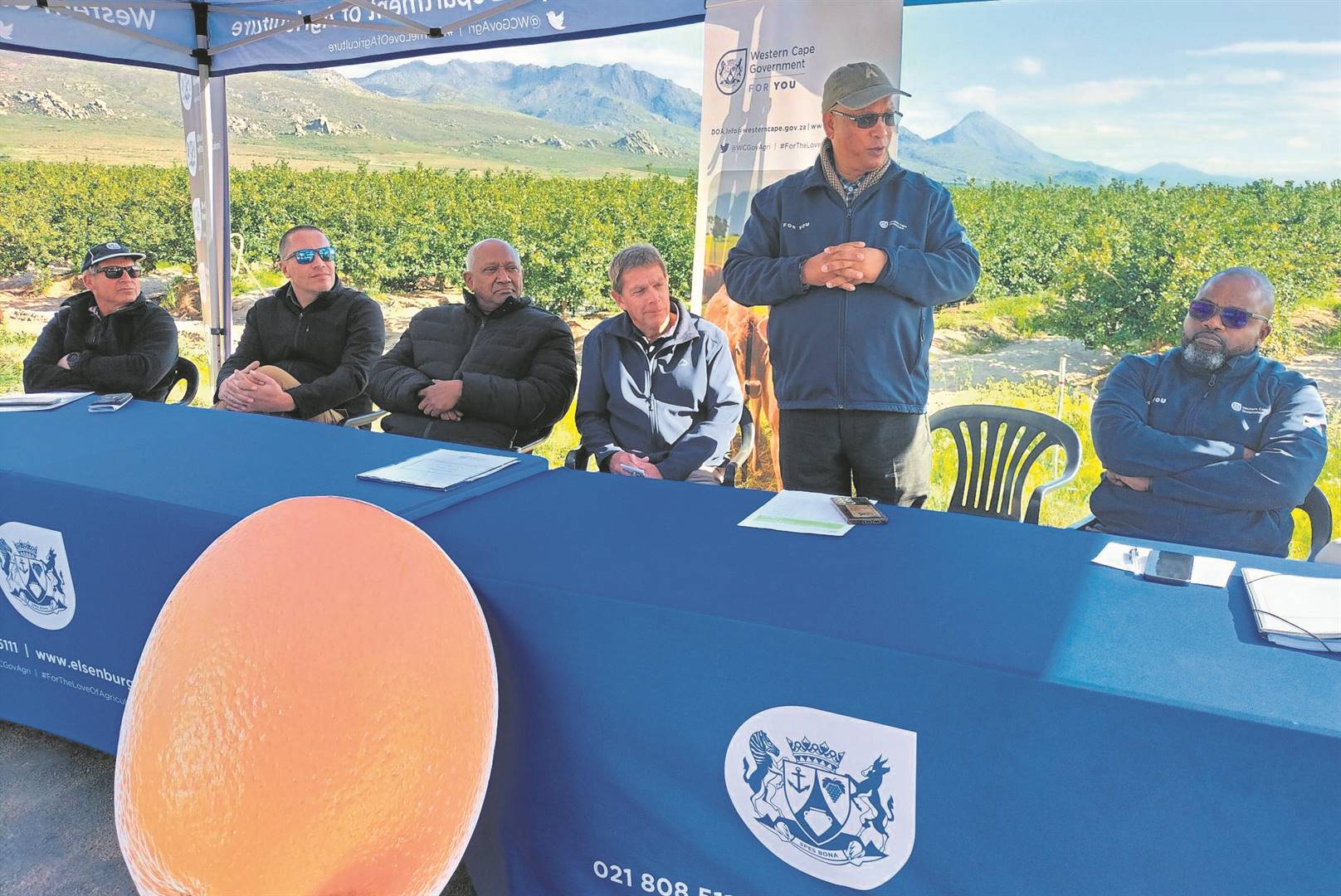
A fully staffed veterinary service is a critical enabler to a thriving agriculture sector in the Western Cape, says Dr Ivan Meyer, provincial Minister of Agriculture.
His comments come in the aftermath of a report from the South African Veterinary Association that more than 50% of the country’s young veterinarians are leaving, citing economic and safety concerns as the main reasons.
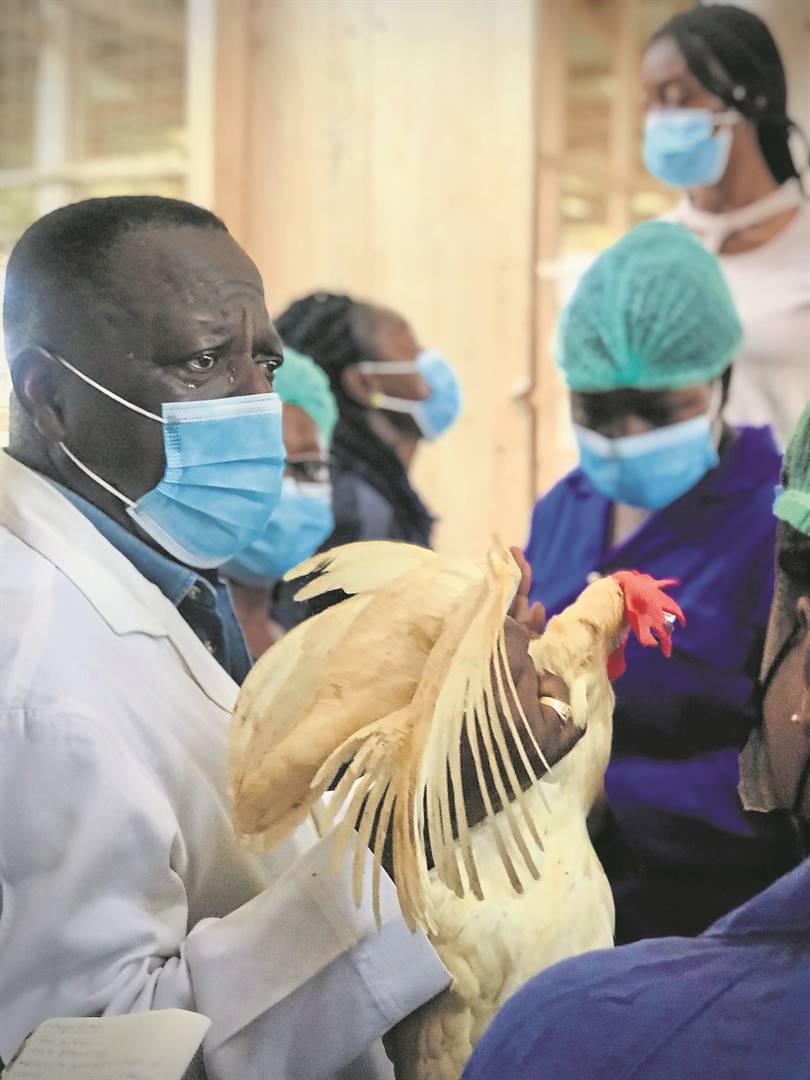
The Western Cape Department of Agriculture provides veterinary services – public health, export control and analytical services – and support to industries and producers.
According to Meyer, the agriculture sector creates jobs and drives economic growth. The findings of the SA Veterinary Association is thus troublesome.
“The international norm is between 200 and 400 veterinarians per million of the population – yet currently, there are about 60 to 70 veterinarians per million in South Africa. This represents about 25% of our country’s needs. So this is a crisis.
“The shortage is further aggravated by South Africa removing veterinarians from the critical skills list, making it harder for international veterinarians to acquire a work visa.
“The shortage of veterinarians puts South Africa’s economic prospects and animal and human health at risk.”
He stresses urgent interventions must be explored to stop and reverse the trend of young veterinarians emigrating.
“We need employment and remuneration conditions that create an enabling environment. Occupational Specific Dispensation (OSD) is one avenue that should be explored to achieve this. In addition, improving young veterinarians’ working environment and career prospects will improve the retention of a critical skill required within the agricultural economy.”
Meyer said he would write to the national Minister of Agriculture, Land Reform and Rural Development seeking urgent intervention.
“South Africa needs a second veterinary training centre. Our reliance on a single veterinary faculty to train our veterinarians is a considerable risk.
“A second veterinary faculty must be commissioned to train more veterinarians. Coastal provinces (Western Cape, Eastern Cape and KZN) are ideal sites to host a second veterinary faculty. These provinces carry more than half of the country’s animal population that could be better serviced and benefit from the research platform created by the new faculty. With such an initiative, veterinarian work on aquaculture and marine culture will also receive a massive boost.
“Our veterinary service promotes healthy animals, sustainable and profitable animal production enterprises, safe trade in animals and products of animal origin, and the well-being of animals and the public.”