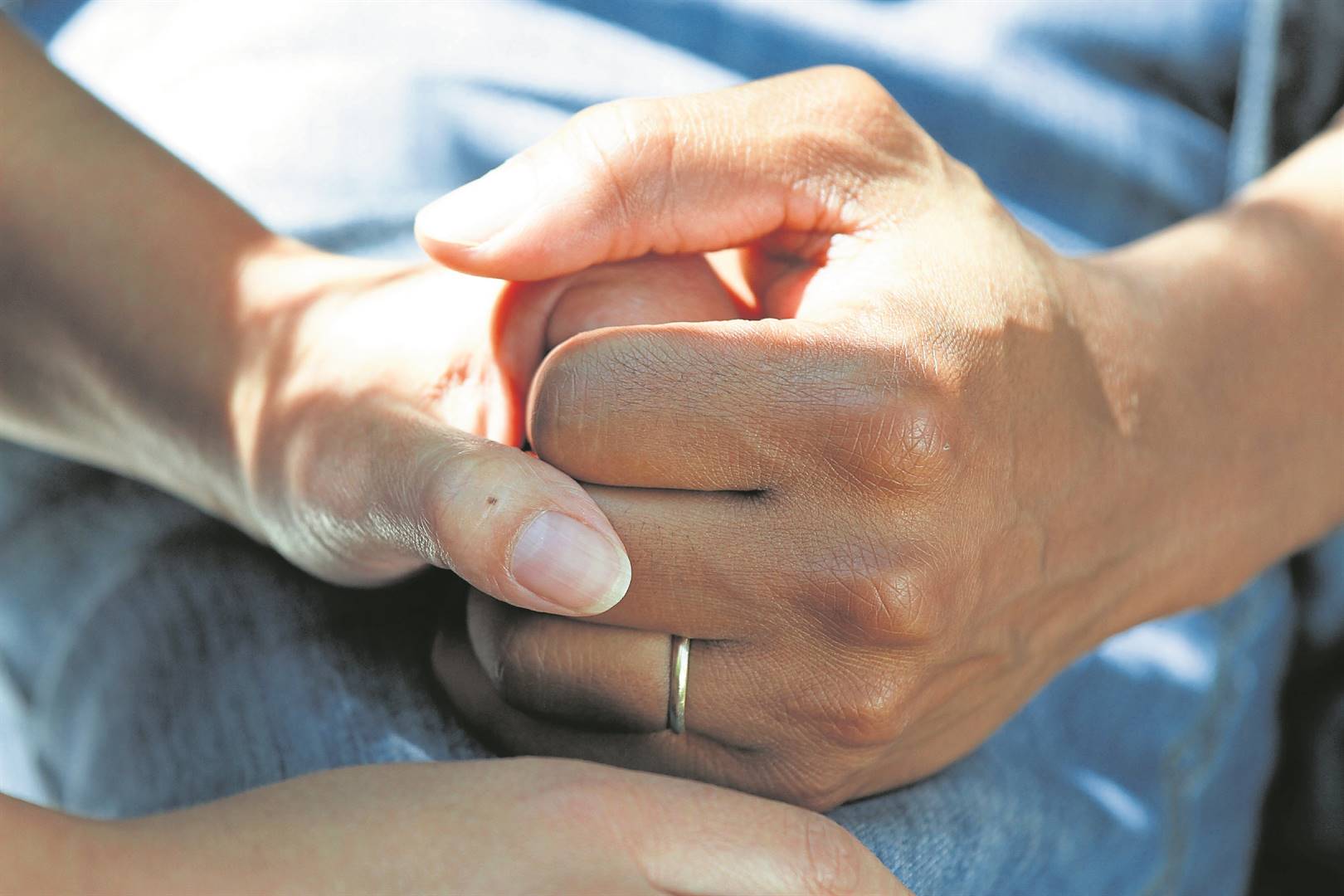
Adolescence can be an exciting and overwhelming time, filled with new challenges and adventures for teenagers and their parents.
Adolescence is the phase of life between childhood and adulthood (ages 10 to 19) where teenagers may face specific challenges that can affect their development. There are three main challenges: mental, behavioural and physical.
The Western Cape Department of Health and Wellness shares some useful information and explains where young people can get help. The Department aims to be available to ensure that every young person can access the healthcare that they need to live their best, healthiest, longest life.
Mental Health and physical health
Many physical health problems diagnosed in adulthood are caused by habits established during adolescence that negatively impact health, such as heart disease caused by diets high in fat and sugar and a lack of physical activity.
However, a healthy diet helps to protect against malnutrition in all its forms, as well as non-communicable diseases (NCDs), such as diabetes, heart disease, stroke and cancer.
In addition, depression, anxiety and behavioural disorders are among the leading causes of illness and disability among adolescents. This past month has seen youth across the province undergo school exams and this can often be a cause of stress.
Globally, it is estimated that 1 in 7 (14%) 10- to 19-year-olds experience mental health challenges, yet these remain largely unrecognised and untreated, according to the World Health Organisation (WHO).
Shiloh Watlington (15) experienced severe panic attacks and anxiety in his first year of high school last year.
“It felt very scary because I was always worried when and if the panic attacks would come. I could not control it at the time, and as it was my first year in high school, you can imagine what it would feel like still having to make new friends. There were times I needed to leave the classroom.
“My teachers and principal were very supportive. The first day I had my panic attack, the teacher took me to the sick bay and comforted me. A week later the principal had an assembly to talk about mental health issues – I felt like the environment was one where I was supported.”
Dr Brett van der Schyff, psychologist for the Western Cape Government, shares advice with adolescents and caregivers on navigating mental health and how you can access services in times of crises.
The following guidelines recommended by Van der Schyff can be beneficial for taking care of physical health and can have a positive impact on mental health too:
– Regular exercise is so beneficial, as it can release feel-good brain chemicals. Choose a programme or form of exercise that works for you and stick to it. Exercising does not need to be expensive or lengthy or take up too much time in your day. Find something that makes you feel good and puts a smile on your face.
– Young people might love junk food and spoil themselves with luxuries. What you eat, is so important to your mental health. Therefore, choose a healthy diet including fruits, vegetables and fish or good fats such as nuts if at all possible.
– Get enough sleep. A good night’s rest consists of 7-8 hours of quality sleep and do your best to maintain a regular sleeping pattern. Your sleep should be safeguarded at all costs, but especially during the times you are struggling with your mental health.
– Decrease screen time. Too much time on a cellphone can affect sleep as well the ability to interact with others in a healthy way. Try to set a time at night where you will switch off your phone to allow yourself a good night’s rest.
Establish good habits
When focusing solely on maintaining good mental health, Van der Schyff recommends the following:
– Remain adherent to a treatment programme that you and your health care provider have decided on. It is also critical to avoid using substances to self-medicate symptoms.
– Reach out to family and friends for mental health support. Speaking to someone you trust can help to feel heard and supported.
– As caregivers, be intentional about creating frequent and consistent opportunity for the adolescent in your home to connect with you. E.g. shared family dinner or parent child time without a device.
These opportunities provide opportunity for the adolescent to share about their difficult experiences and for parents to assist them with these difficulties. In these interactions it is important for the parent to be open and receptive to an adolescent’s experience.
Poor mental health can impact many areas of an adolescent’s life, it is important for teenagers and parents to get support if necessary. As caregivers, you can help your teenager by talking about mental health. Parents, teachers and friends concerned about a teenager’s mental wellbeing should be willing to listen without judgement, provide reassurance that they care, and make sure they can recognise signs of suicidal thoughts.
What to look out for
There are some of the risk factors /concerns to look out for in adolescents concerning their mental health.
If teens display or experience any of the following risk factors, it may be best to seek some help and support: . Intense sadness, anxiety or agitation. Recent trauma or life crisis:. Physical assault (being attacked, hit, slapped, kicked, beaten up). Sexual assault. Experienced a life-threatening illness or injury. Witnessed a sudden violent death (for example, homicide, suicide). Sudden death of close family or friend. Social isolation: Choosing to be alone and avoiding friends and social activities. Talking about suicide or previous suicide attempts. Self-harm is also a great concern . Risky or impulsive behaviour. They express they are feeling trapped, hopeless or helpless about a situation. There is a significant change in eating and sleep patterns. Increase in emotional eating or not feeling hungry at all. Not being able to fall asleep or frequent waking up in the night or waking up but not feeling rested. Significant changes in their behaviour or character (personality). There is a lack of adult supervision or support. They are exposed to violence or abuse
Exam time can be a huge area of stress. The following strategies can help you to minimise the likelihood of feeling stressed out during your times of study, especially leading up to the exam:. Try to stick to a routine. Plan your subject specific study sessions and you play or down time.. Minimise the amount of distractions around you.. Study is a fixed area.. Use an effective study technique. Give yourself sufficient time to prepare for the exam.. Communicate to your teacher if you require help. Don’t put it off for long.
“If you or someone you know needs help, visit your nearest primary healthcare facility or clinic for support,” shares Dr van der Schyff.
“A full range of in- and outpatient mental health services are available in both the metro and rural areas of the province and you will be referred to your nearest appropriate facility for further evaluation and treatment as necessary.”
Importantly, you must first be screened to ensure that you do not have an untreated medical illness which may look like psychiatric symptoms, but is not.
From there you will then be referred to a service that best suits your needs – not all mental health symptoms need intervention from a medical doctor or psychiatrist, as a social worker, counsellor or psychologist may the most appropriate person to see you.
Getting help
In addition to visiting your nearest clinic, you can also contact these organisations for help and assistance:. Sadag – Toll-free number – 0800 567 567. Lifeline Suicide Crisis Helpline – 0800 121 314 / 0861 322 322. Adcock Ingram Helpline – 0800 708 090. Akeso Psychiatric Response – 0861 435 787. Childline – 0800 055 555 or 116. Cipla 24hr Helpline – 0800 456 789. Dr Reddy’s Helpline – 0800 212 223
Shiloh encourages all teens struggling to ask for help.
“With help and prayer support from my family and accessing medical help at my nearest clinic, I have overcome a terrible time in my life.
“Don’t be ashamed or afraid to reach out and ask for help. I felt very embarrassed to talk about it at first, because it’s something you want to forget. I realise now it’s just better to talk to someone, it’s so much easier than having these heavy issues to deal with.
Prayer and seeking help worked for me. Do what you need to do get the help you need.”
Behavourial health support (substances, unwanted pregnancy, contraceptives, STI)
Adolescents may face many health and social challenges which puts them at a higher risk of unwanted pregnancy, unsafe abortion and sexually transmitted infections and substance abuse.
The health care facilities offer support to adolescents and families in a way that does not make adolescents feel unwelcomed and embarrassed. Healthcare workers will also keep the reason for your visit confidential.
Adolescent and youth-friendly services have been launched across the province to reduce the impact of teen pregnancies and sexually transmitted infections.
While youth can attend any clinic during operational hours to access healthcare, many facilities in the province have dedicated programmes and staff to support teenagers after school between 14:00-16:00 from Monday to Friday, to ensure their schooling is not disrupted.
Some clinics offer these dedicated services from 07:00.
This means that you can skip the queue and visit your youth-friendly healthcare team to access family planning services such as the morning after pill, contraceptives and condoms, STI testing and counselling, guidance on termination of pregnancy, as well as substance abuse support and referrals.
The departement is adopting a whole-of-government and whole-of-society approach to equip adolescents with the education, support, services and opportunities they need to plan their futures and help them reach their goals.