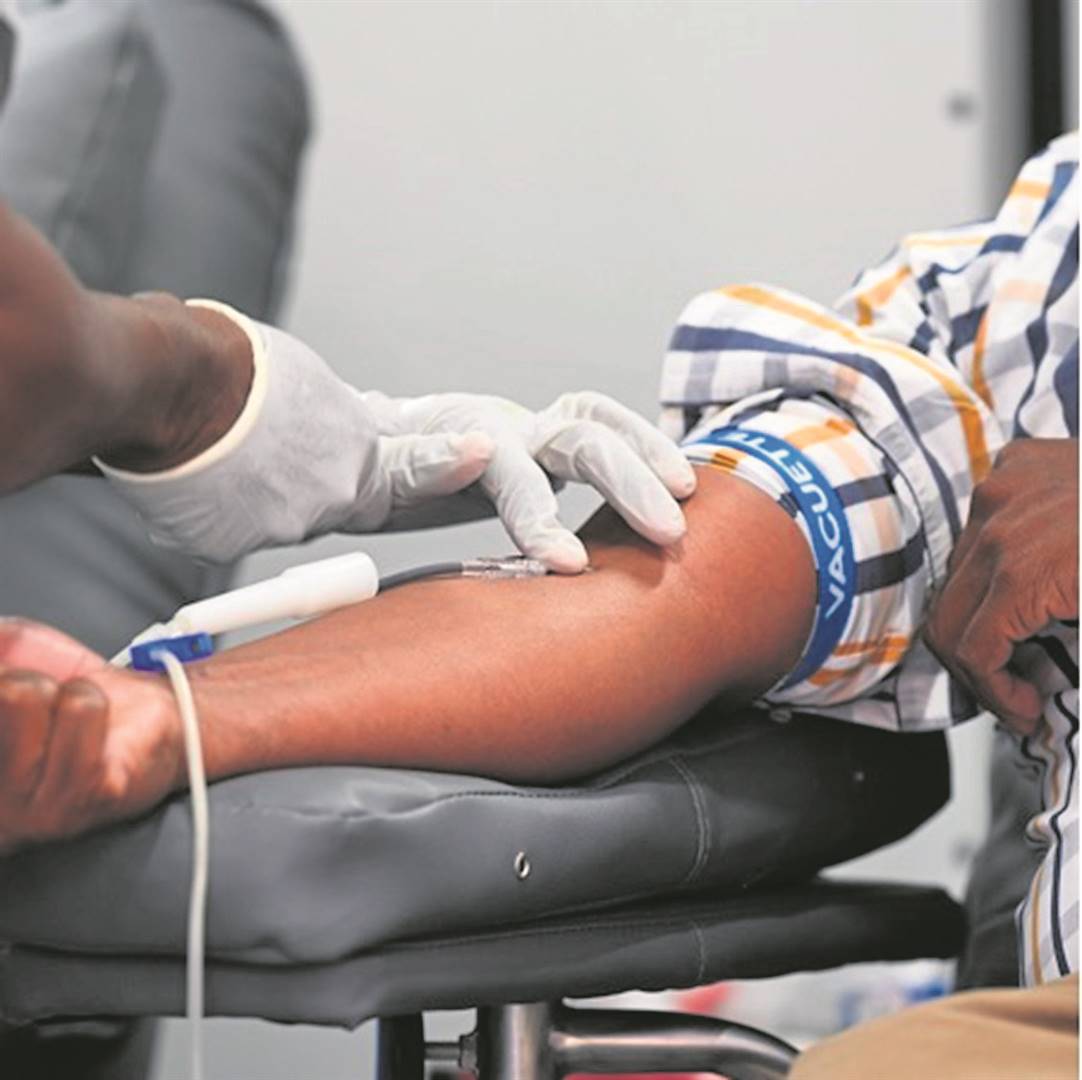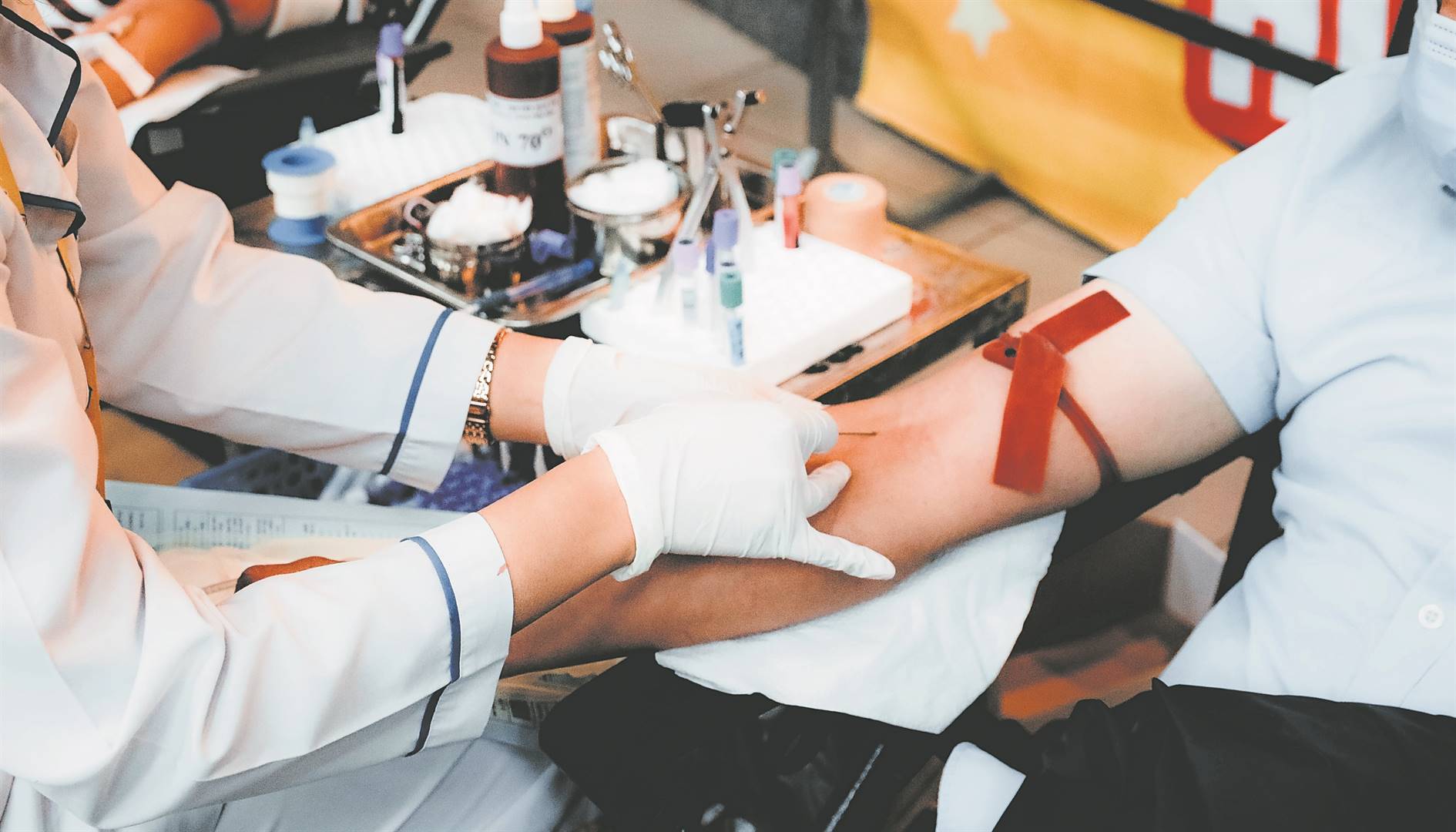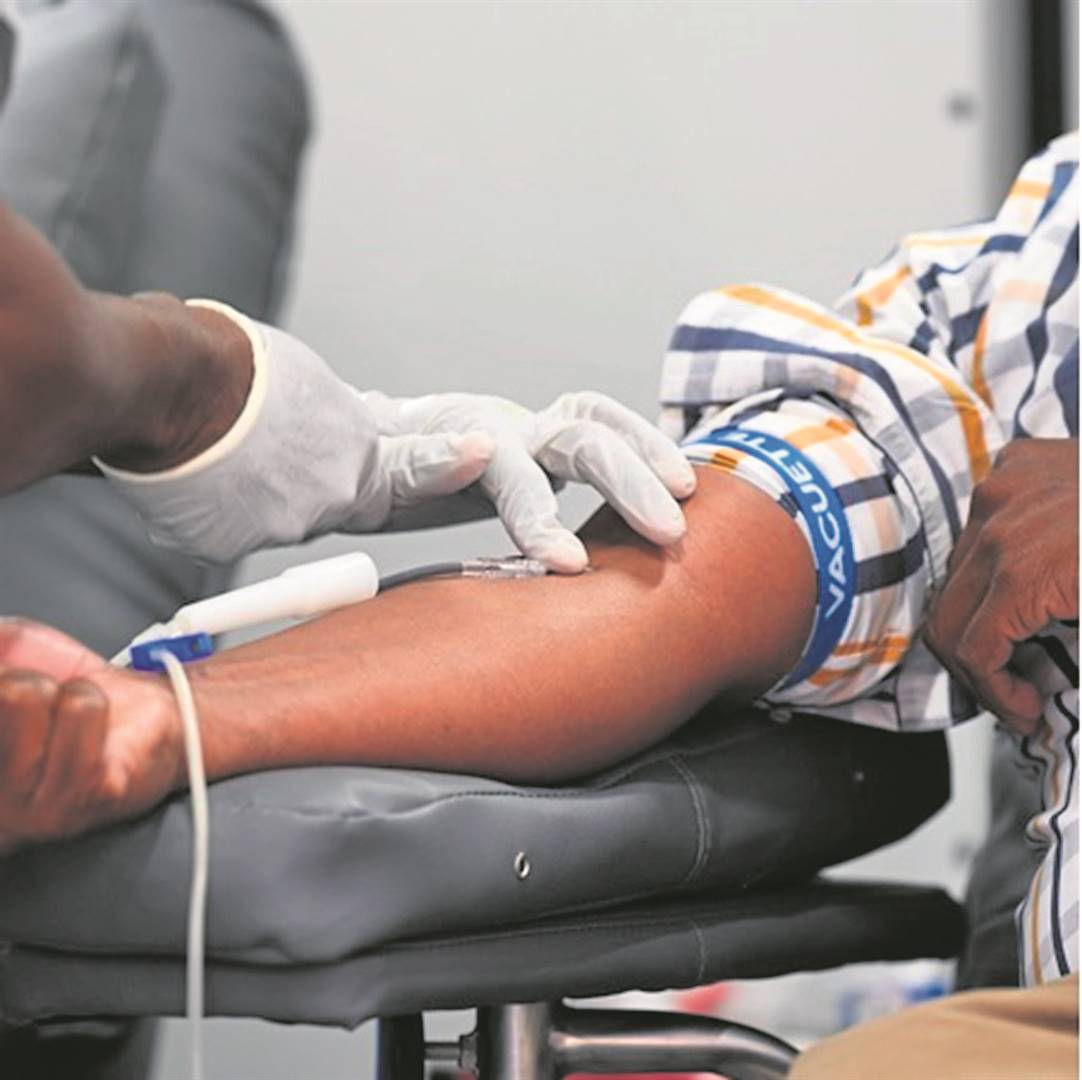
Blood donation is a selfless act that has the potential to save lives and contribute to the well-being of countless individuals.
The South African National Blood Service (SANBS) encourages individuals to donate blood regularly. Knowing what to do before and after donation is essential to ensure donors and recipients a safe and positive experience.
Before Donating Blood
1. Check Your Eligibility
To be eligible to donate blood, you must be between the ages of 16 and 75, weigh more than 50kg and be in good health.
If you meet these essential criteria, you can visit a donor site where you will fill in a questionnaire and check your blood pressure, pulse and haemoglobin (Hb) levels. If you are still eligible to donate after this process, you will then move on to donate your unit of blood.
2. Maintain Hydration
Staying well-hydrated in the days leading up to the donation is crucial. Drinking plenty of water helps hydrate body tissue, increase blood volume, and make your veins easier to find.
3. Consume a Nutritious Meal
On the day of the donation, individuals should consume a balanced meal rich in essential nutrients, including iron, vitamins and minerals. You may be given a snack before or during your donation to reduce the chance of feeling light-headed afterward.
4. Ensure Adequate Rest
Donors should ensure they get sufficient rest, including a good night’s sleep the night before their blood donation appointment. Being well-rested can help reduce the risk of adverse reactions.
5. Wear Comfortable Clothing
It is advisable to wear loose-fitting clothing with sleeves that can be easily rolled up to ensure your veins are easy to access. This will create an easier donation process for you.
After donating blood
1. Rest and Rehydrate
Following blood donation, donors should take a moment to sit and rest. You can enjoy the provided refreshments and hydrate with water and juice. Strenuous physical activity should be avoided for the remainder of the day, and one should not lift heavy objects with the arm used for the donation.
2. Have a snack
Consuming a light snack after donation will help to replenish energy levels. SANBS provides snacks, such as biscuits or sandwiches, which are made available for donors before, during and after donation.
3. Avoid Alcohol and Smoking
Donors are advised to avoid alcohol and smoking for a few hours after donating blood, as these substances can hinder recovery.
4. Monitor Health
Paying attention to how your body reacts after donating blood is very important. If you experience any symptoms like dizziness, nausea, or fainting after donating blood, it is important to inform SANBS on 0800 119 031, where you will be advised further by a member of their medical team.
5. Keep Track of Future Donations
Remember to ask the staff member who facilitates your donation when your next donation date will be. There is a donation interval of 56 days between each whole blood donation for healthy donors.
By following these guidelines before and after donation, you can ensure a safe and positive experience while contributing significantly to the well-being of others. SANBS greatly appreciates the commitment of donors who save lives through blood donation.
If you meet the requirements for blood donation or have more questions call 0800 11 9031, visit the SANBS website (https://sanbs.org.za), or follow SANBS on its official social media @SANBS