

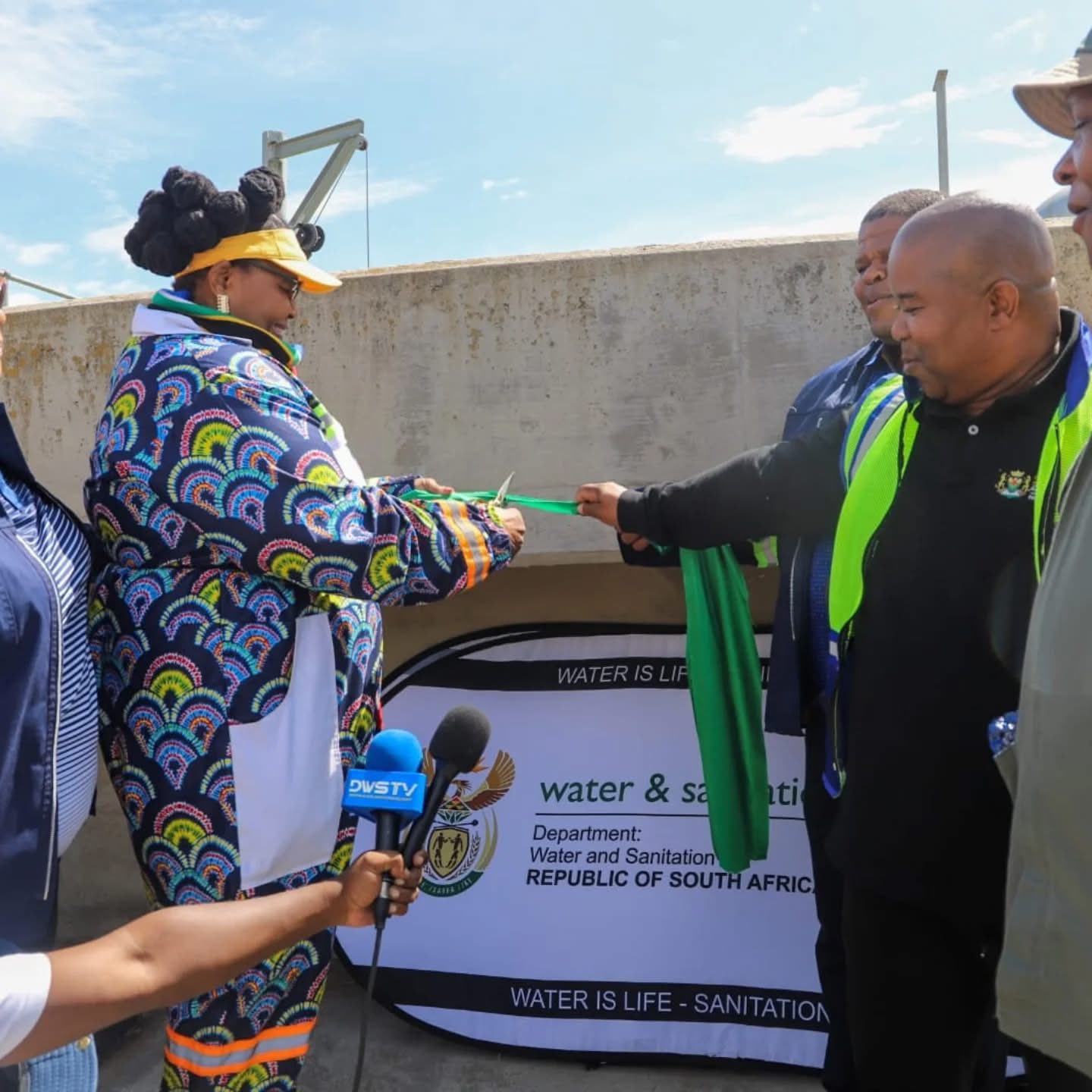
MATJHABENG – Pemmy Majodina, minister of water and sanitation, has handed over 22 refurbished wastewater infrastructure facilities to the Matjhabeng Local Municipality. This marks a significant milestone in the government’s R4,2 billion intervention to address the area’s collapsed sewerage systems.
The handover, conducted on World Water Day, Sunday 22 March, included the Thabong Waste Water Treatment Works and 22 pump stations located around Welkom and Odendaalsrus. Majodina was joined by deputy ministers David Mahlobo and Sello Seitlholo; deputy minister in the presidency for monitoring and evaluation, Seiso Mohai; and the Free State MEC for cooperative governance, Saki Mokoena; alongside executive mayors from the district and local municipalities.


The refurbishment programme was launched following a ministerial intervention to address collapsed wastewater systems that had caused major sewage spillages throughout the municipality, severely affecting the environment and polluting water resources.
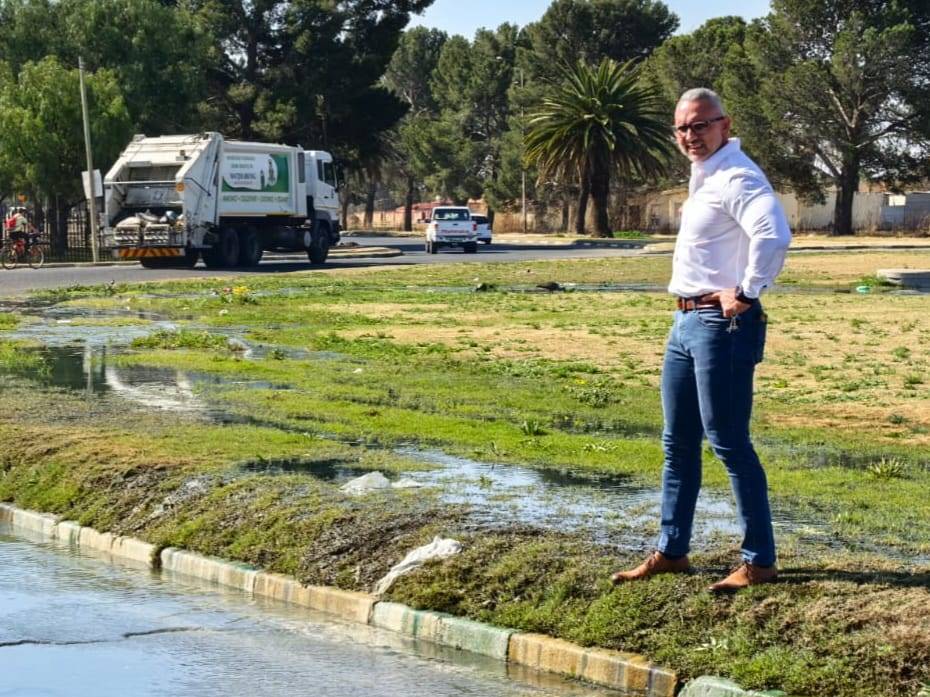
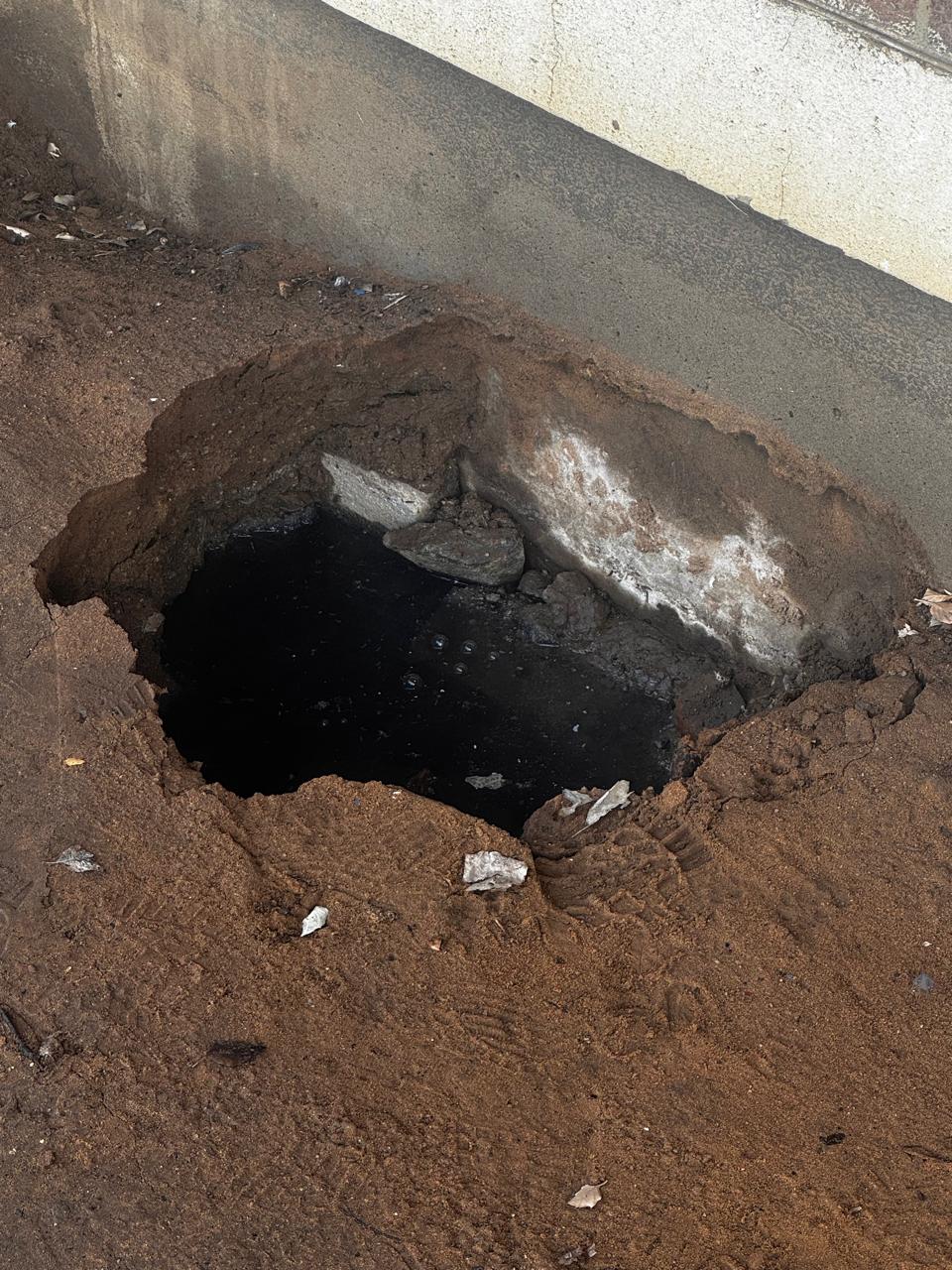
The Matjhabeng Municipality had faced severe sanitation infrastructure challenges due to prolonged poor maintenance and vandalism. Nine of its 11 wastewater treatment works, 42 pump stations, and over 400km of bulk sewer networks had become blocked, leaving major towns including Welkom, Virginia, Allanridge, Ventersburg, Odendaalsrus and Hennenman covered in raw sewage with widespread sewerage overflows.
In 2022, the Department of Water and Sanitation issued a directive to assist the municipality and allocated R4,2 billion through its Regional Bulk Infrastructure Grant over five years. The department appointed Vaal Central Water to undertake the refurbishment and upgrade programme, with R1,2 billion spent to date achieving 46% overall progress.
“Today we mark World Water Day by handing over the completed sanitation projects. This demonstrates a major step in restoring and strengthening the municipality’s wastewater infrastructure and restoring dignity to the people of Matjhabeng,” Majodina said.


The minister emphasised the significance of the timing, noting that March serves as both Human Rights Month and National Water Month.
“Today’s handover is not a demonstration of pieces of engineering, but a reaffirmation of and restoration of dignity, responsibility over environment and protection of our water resources,” she stated.
Majodina urged communities to take ownership and protect the infrastructure, warning against vandalism and cable theft.
Mohai reinforced calls for infrastructure protection, announcing plans to activate the Justice, Crime Prevention and Security Cluster to safeguard state infrastructure.
“We cannot, as government, invest in infrastructure projects that cost billions but are mismanaged and manipulated by syndicates that vandalise it,” he said.
Mokoena acknowledged the intervention’s impact, stating: “With the intervention of the Department of Water and Sanitation and the coordination of all spheres of government, we are seeing improvements in wastewater management.”
Executive mayor Thanduxolo Khalipha commended the intervention for restoring dignity to residents.
“We call on the community to protect this infrastructure as it will bring change to our daily lives. We also appeal to the community to pay for water and sanitation services to enable us to honour our accounts with Vaal Central Water and Eskom.”
The handover aligns with this year’s World Water Day theme “Water and Gender,” with the slogan “Where Water Flows, Equality Grows,” emphasising that access to safe drinking water and sanitation represents a fundamental human right and critical enabler of gender equality.



You must be logged in to post a comment.