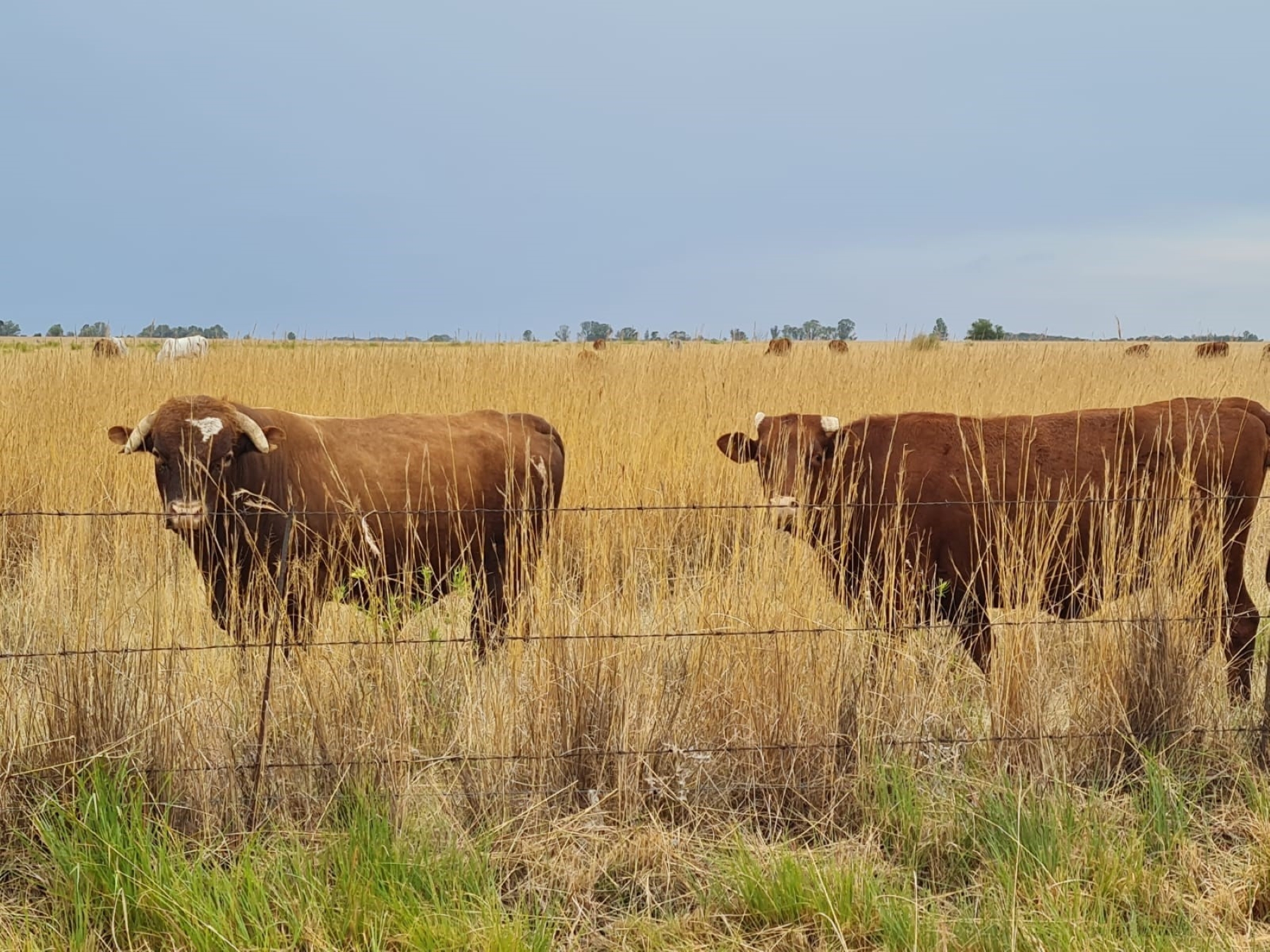
In a stark illustration of effective disease management, Namibia has emerged as the sole country bordering South Africa that remains free from foot and mouth disease (FMD) outbreaks outside controlled areas, as the livestock pandemic continues to ravage the Southern African region.
The confirmation of FMD’s first outbreak in Lesotho has completed a devastating picture across the subcontinent, leaving Namibia as the singular success story amongst South Africa’s neighbours. This achievement comes as agricultural experts warn that only a coordinated regional approach can now stem the tide of the highly contagious disease.
“Apart from Namibia, there is currently no other country bordering South Africa where outbreaks outside controlled areas have not been confirmed,” stated agricultural organisation Saai in a press release that highlighted the crisis engulfing the region.
Namibia’s remarkable isolation from the pandemic is attributed to the country’s “strict, disciplined protocols” designed to protect its valuable red meat export status, an approach that neighbouring Botswana has attempted to emulate with varying degrees of success.
The disease’s relentless march across borders has been facilitated by poorly controlled livestock movement, a problem that has proven particularly acute along the Lesotho-South Africa border. Agricultural experts point to decades of stock theft in the Eastern Free State as a contributing factor to the latest outbreak, with stolen cattle creating uncontrolled movement patterns that circumvent biosecurity measures.
Regional response under scrutiny
The crisis has exposed significant weaknesses in regional coordination structures, with critics arguing that the Southern African Development Community (SADC) lacks the capacity for effective implementation of cross-border disease control measures.
“Simply leaving the problem to SADC could be catastrophic,” the Saai statement warned, citing the organisation’s failure to restore its own tribunal in Windhoek after 14 years, despite constitutional court rulings declaring the absence of judges unlawful.
Instead, agricultural leaders are advocating for a civil initiative involving farmers, veterinarians, and businesses across the meat and dairy value chains – a programme that would be funded and monitored by governments but driven by industry expertise.
ALSO READ: Bek-en-klouseer in Lesotho: Takel skutgeriewe en oorgrensmisdaad, pleit VL
Domestic challenges mount
Within South Africa, the structures required to implement the national vaccination programme are facing severe criticism. The Red Meat Industry Structure (RMIS), granted extensive powers to manage the counter-strategy, has been accused of being “captured and controlled by feedlots” rather than serving primary producers’ interests.
Agricultural stakeholders have expressed particular concern about RMIS’s role as “gatekeeper of vaccination programmes,” with farmers reporting regular exclusion of key players and value chain partners at the organisation’s insistence.
The criticism intensified following RMIS’s controversial communication ban imposed on farmers when FMD escalated in April 2025, leaving agricultural professionals to interpret developments without direct industry input.
The Namibian model
As the region grapples with these structural challenges, Namibia’s success offers a template for effective FMD management. The country’s achievement in maintaining disease-free status whilst surrounded by affected territories demonstrates that robust protocols and disciplined implementation can protect both livestock health and crucial export markets.
With agricultural experts warning that “a single infected animal can destroy a country’s FMD status,” Namibia’s continued vigilance serves as both an inspiration and a reminder of what stands to be lost as the region battles to contain this devastating livestock pandemic.
The call for “a more transparent, representative, neutral and effective structure” to coordinate the regional fight against FMD has gained urgency, with Namibia’s isolated success highlighting both the possibility of effective disease control and the catastrophic consequences of its absence, says dr Theo de Jager, board chairman of Saai.