

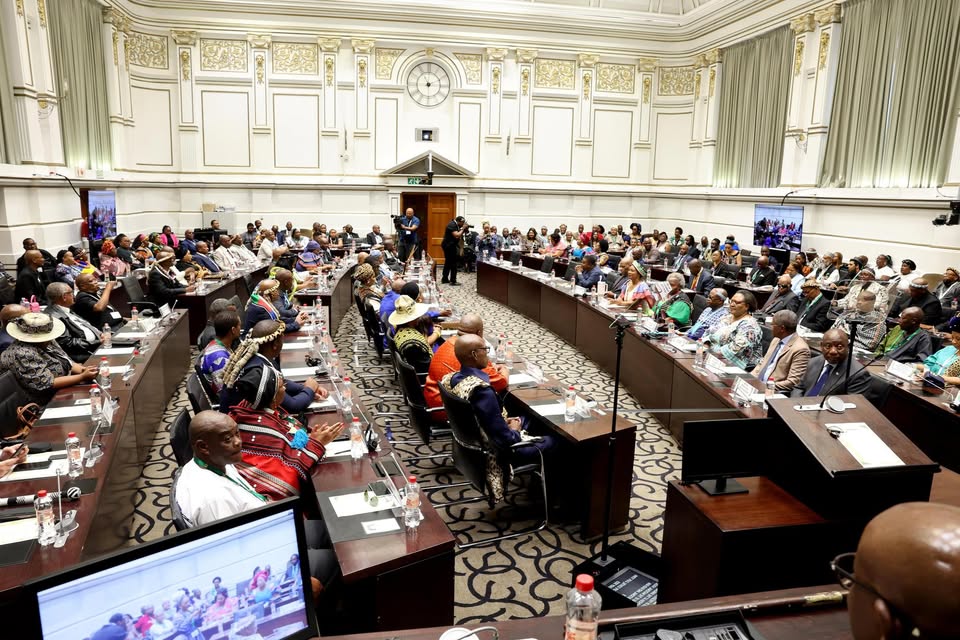
Four key policies pertaining to national artificial intelligence, spatialisation of institutional planning, the Traditional and Khoi-San Leadership Bill, and the Draft Home Affairs Bill 2025 have been recommended to Parliament by the Governance, State Capacity, and Institutional Development (GSCID) Cluster.
These key policies are aimed at enhancing governance and institutional frameworks across South Africa.
On Thursday, 21 August, the GSCID cluster, chaired by Willie Vukela, acting director-general (DG) of the Department of Public Service and Administration (DPSA), Willie Vukela, and Robert Nkuna, DG of the Department of Planning, Monitoring, and Evaluation (DPME), convened to discuss and recommend these policies.
The Department of Communications and Digital Technologies has made significant progress in the development of the National Artificial Intelligence (AI) Policy. This initiative seeks to harness the transformative potential of AI for innovation, job creation, and improved quality of life.
The GSCID directors-general have approved the policy to proceed to Cabinet for consideration, followed by public comment to ensure broad stakeholder engagement. Key benefits of the policy include increased uptake of AI technologies, enhanced governance capacity, and improved access to AI education.
The Cluster has approved for Cabinet tabling the framework for the spatialisation of institutional planning, developed by the DPME. This framework seeks to integrate spatial data into planning processes, thereby improving decision-making and resource allocation. Extensive stakeholder consultation has been conducted, and the initiative is expected to enhance service delivery and institutional performance across government.
The GSCID Cluster has also approved the tabling of the Traditional and Khoi-San Leadership Bill 2025, proposed by the Department of Cooperative Governance and Traditional Affairs (Cogta).
This critical legislation aims to ensure the statutory recognition of traditional and Khoi-San communities and leaders, building on the 2019 Act.
Key provisions include 50% women’s representation in leadership councils, inclusion of youth and people with disabilities, and strengthened public accountability mechanisms. The Bill will proceed to Cabinet for further consideration.
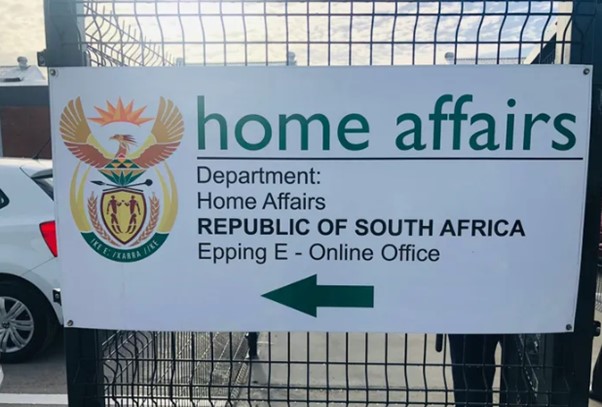
Additionally, the GSCID Cluster has approved the Cabinet tabling of the Draft Home Affairs Bill 2025, prepared by the Department of Home Affairs. This Bill aims to reposition the department as a secure and modern organisation, establishing a Law Enforcement Unit to combat illegal migration, fraud, and corruption. The draft Bill will be submitted to the Cabinet for approval to publish in the Government Gazette for public consultation.
The GSCID Cluster is dedicated to promoting inclusive governance and ensuring these initiatives reflect the needs and aspirations of all South Africans, encouraging stakeholders and the public to actively participate in the upcoming consultation processes.


You must be logged in to post a comment.