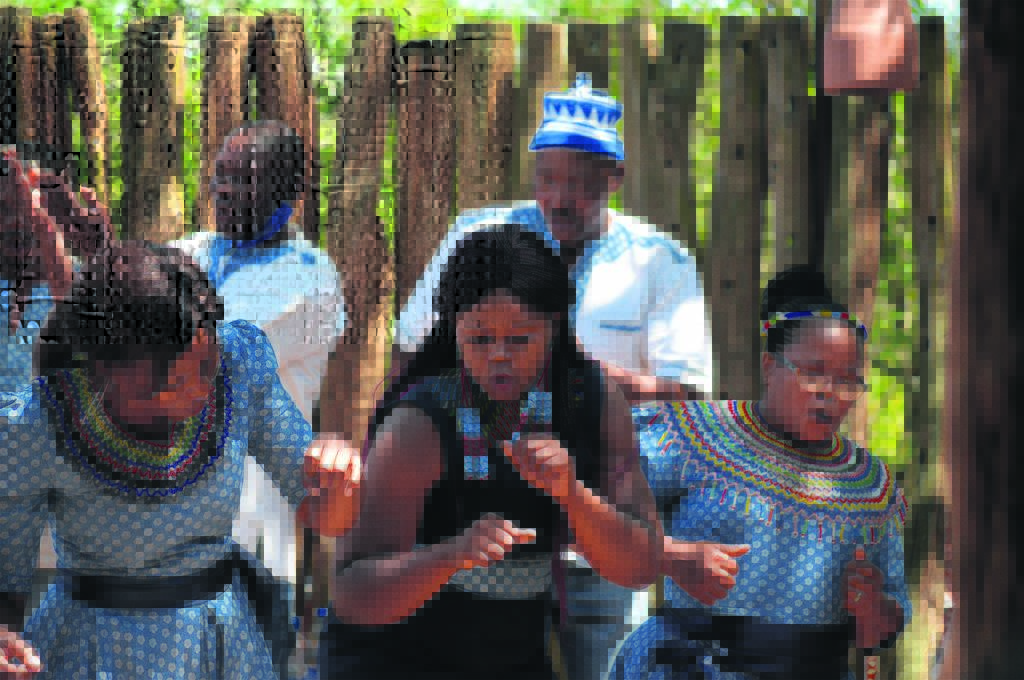
“Don’t take a child to a national park when he is in matric, take him when he is much younger. How we engage the youth in nature conservation, will determine the way forward in protecting and sustaining South Africa’s natural heritage.”
Speaking at the launch of the SA National Parks Week, Sipho Silinda, CEO: Public Sector Banking at FNB, had those present hanging onto his words as he spoke from the heart, imploring everyone to get the youth on board with nature conservation.
“Adopt a creche or get involved with your local primary school, help to expose the children to nature in its pristine form by taking them to nature reserves and national parks.”
Silinda also mentioned that the COVID19-pandemic demonstrates how important healthy ecosystems are to help keep people healthy. The more broken the ecosystems, the more human health is at risk.
FNB, together with Total Energies and South African National Parks (SANParks) hosts the 16th annual SA National Parks Week, running from 22 November to 28 November 2021. However, it needs to be stressed that the free access to the Addo, Kgalagadi, Kruger and the Tsitsikamma section of the Garden Route National Park will be valid only until 26 November.
For residents of this region, it will still be worthwhile still to enjoy the free access either today or tomorrow to the Addo park – not only to experience the elephants and perhaps spot the lions, but also to see how the flora blooms in pink and yellow after the recent rains.

Luthando Dziba, SANParks Acting Chief Executive Officer, also emphasized the need to expose the youth to conservation.
“There is a growing need for national parks to be relevant, particularly to young people and communities living adjacent to parks,” he said.
Through its Socio-Economic Transformation programmes and their expanded Public Works Programme, SANParks works closely with communities living adjacent to national parks in a quest to be more inclusive in their management of protected areas.
“This inclusivity encompasses providing access to parks for cultural use as well as exposing young people to the different career options in conservation and tourism,” Dziba said.
Silinda, in turn, suggested that it would be a good idea for SANParks to engage with the TVET Colleges who always need a workplace where their students can go and do their practicals.
“Invite them to come and do their internships at the national parks so that they can also be exposed to nature and experience the importance of environmental conservation firsthand.”
Silinda also stressed the importance of partnerships with the communities bordering the national parks. Community members must be able to experience the advantages of living next to a park. Job creation and further education and skills training would be some most important aspects.
“And in this way, we can create this thing of community securities protection of the parks. We don’t have to rely only on the rangers,” Silinda said.
As if to underline the importance of security at the national parks, game warden and patroller Ismael Mathyse and his dog Bullet walked past the lapa at the Main Camp of the Addo Elephant National Park where the 16th SA National Parks Week was launched.
“Bullet’s job is to sniff out illegal items that might come in or go out of the park,” Mathyse briefly explained. Border and night patrol are also on the duty list.
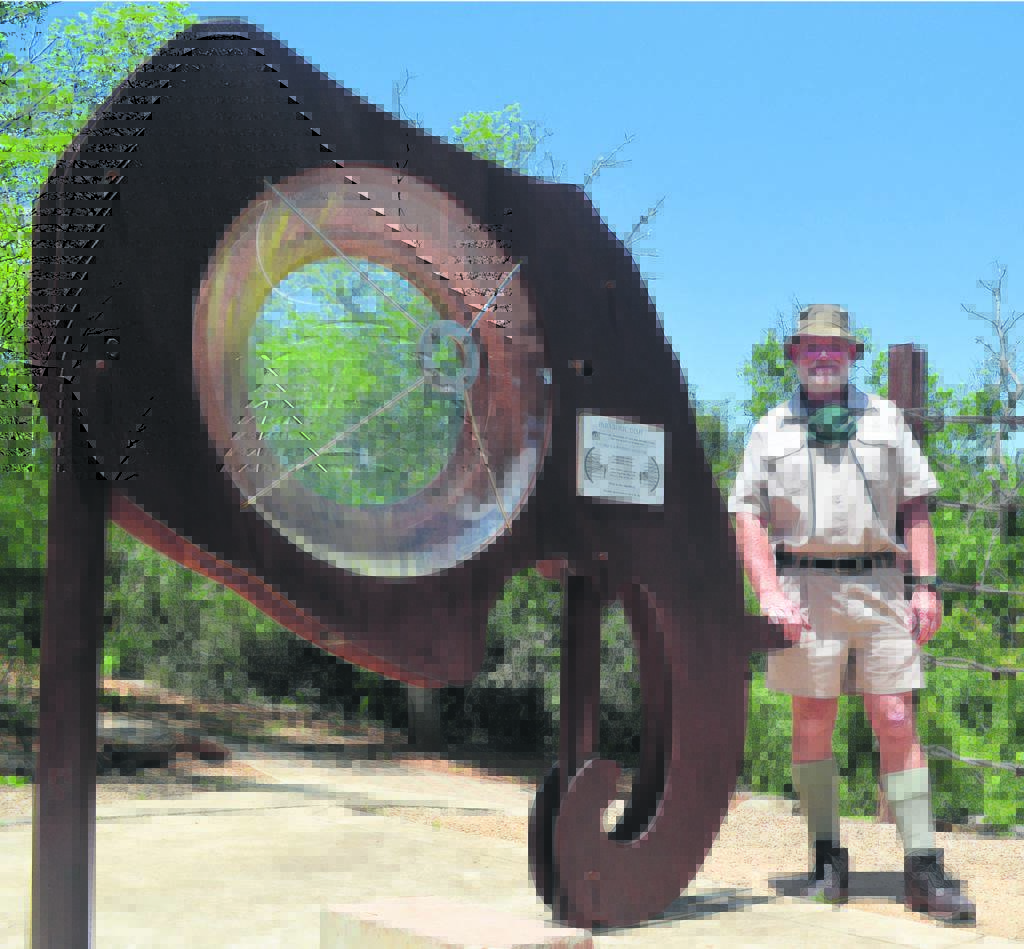
And for those who haven’t visited the Addo Elephant National Park yet, here are a few reasons to go:
- The game in the park is habituated to tourism and many close encounters were experienced by tourists, all without incident for 30 years.
- It is home to more than 600 Addo elephants. Hot days at waterholes are best for elephant viewing.
- The Addo Park is also home to lion, buffalo, black rhino, spotted hyena, brown hyena, leopard, aardvark, a variety of antelope and zebra species, as well as the unique Addo flightless dung beetle (found almost exclusively in Addo).
- You can book a hop-on-guide at the Game Drives Reception office and enjoy the luxury of a trained guide showing and telling you all about the park in the comfort of your own vehicle.
- The Addo Elephant National Park is the third biggest national park in South Africa and by far the most diverse. There are five officially recognized biomes within the park’s borders.
- When you visit, do go to the Interpretive Centre at Main Camp to experience the history of the park and that of Hapoor, the magnificent elephant bull. The Addo Elephant National Park was proclaimed in 1931 to protect the remaining 11 elephants left in the area. Hapoor was one of them.
- The Addo Park is situated in a malaria-free area.
- Addo also offers the Alexandria hiking trail, a 36km two-day trail through the largest coastal dunefield south of the equator, lush indigenous forest, and unspoilt coastline. The Langebos Huts are situated at the trail base, providing accommodation for the beginning and/or end of the hike.
- Visit www.sanparks.org for more detailed information