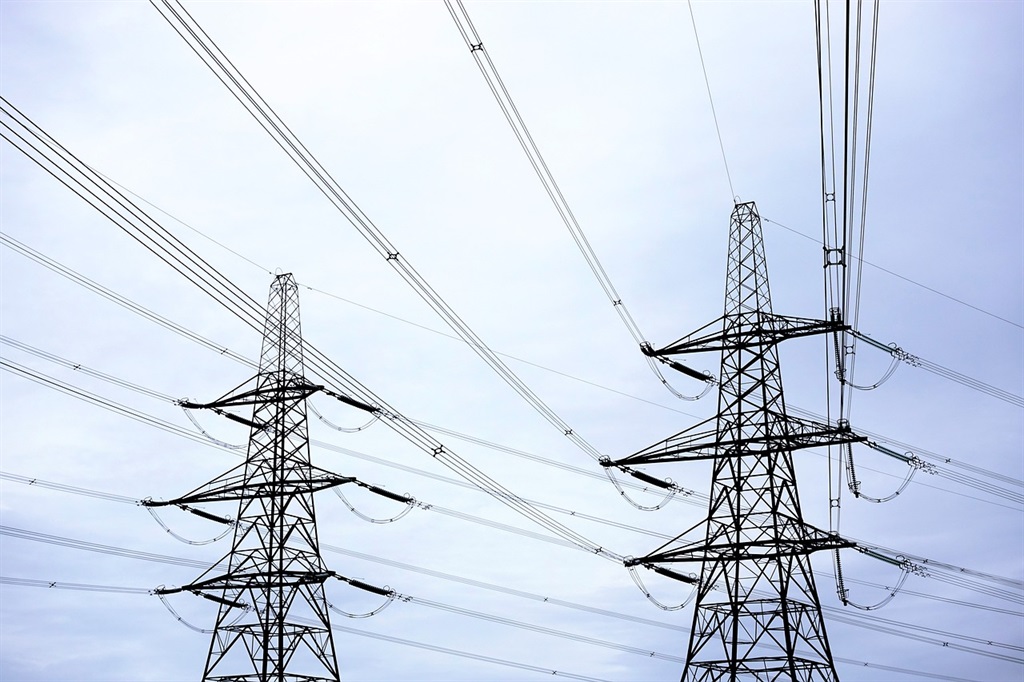
The Nelson Mandela Bay Municipality is rolling out a game changing electricity load curtailment pilot project to allow residents to reduce their electricity usage during load-shedding, while leaving their lights and other low electricity consuming appliances on.
This move makes NMBM the first Metro to roll out the project in the country, joining Eskom in the roll-out of the load-limiting system that is being tested in Gauteng.
During the official launch of the project on September 4, Electricity and Energy Mayoral Committee Member, Councillor Zanele Sikawuti said through the project a total
of 125 households in South End would receive new smart electricity meters at no cost to them, supported with sophisticated new technology at NMBM facilities that will monitor the new system and automatically turn off non-complying residents.
“As NMBM, we are not spared from the challenges of energy supply in our country. Thus we need to work together in our small corners and come up with local solutions that will ultimately assist our country. And as Nelson Mandela Bay we want to take a lead in providing sustainable solutions that will assist our people locally and the entire country.
“Today marks a historic day because we are the first Metro to roll out a project of this kind. Eskom is also piloting this project in Johannesburg and I must commend our colleagues in E&E for taking a lead on this one. We can safely say on this one singaphezulu (we are on top),” said MMC Sikawuti.
“It is important that we make it clear the project is about cushioning our people from a total shutdown during load shedding. Instead they will have a limited electricity supply. This basically means during load shedding your lights will still be on. Generally, as a metro our electricity demand is 650 Megawatts (MW) and each household of the metro has a maximum electricity demand of 18.4 Kilowatts (KW) but this project will reduce the demand to 4.6 Kilowatts (KW).”
The project seeks to address the energy crisis faced by the country while allowing residents still to have minimal access to electricity during load shedding.
Consumers will receive bulk SMSs to advise them to switch off the high electricity consuming appliances including geysers, stoves, pool pumps, aircons and washing machines.
During the load-limiting period appliances such as lights, television sets, wifi connection and plugs to charge phones or laptops will be allowed to operate.
“The message is very clear: you reduce your load to stay on. Notification will alert customers to switch off major appliances at distribution board. Should you not comply, the meter will trip for up to five times. If you fail to reduce again, the meter will switch you off for the duration of the load-shedding period.
“We need our customers to work with us. There will be benefits to all of us in the long run. NMBM is committed to alleviate the impact of load-shedding on the economy and wellbeing of residents,” said NMBM E&E Executive Director, Luvuyo Magalela.
He added, “Should this pilot initiative be a success, it will open more opportunities for the city to obtain funding in order to roll out the project throughout the metro. This way we can eliminate the complete darkness which leads to theft and vandalism. We can improve our revenue collection as the Municipality; there will be a reduction in non-technical losses and service delivery will be improved.”
The project will be piloted for three months.
“We are confident that the project will be a success so that it can be rolled out in other areas of the metro and not just South End. The people of the Northern Areas in Gqeberha, Kariega, Soweto on Sea, KwaZakhele, New Brighton and Motherwell must also benefit from this project. Furthermore, we need to stabilise our energy sources, in particular the supply of electricity as it is important for economic development strategy that will include the development of more industries in our city. In pursuit of long-term solutions our Municipality must immediately and decisively engage in a process of exploring Powerships and Floating Regasification Storage Units as one of the sources of energy,” MMC Sikawuti concluded.