THE Nelson Mandela Bay Municipality is making significant progress in diversifying its energy mix to ensure long-term energy security and sustainability.
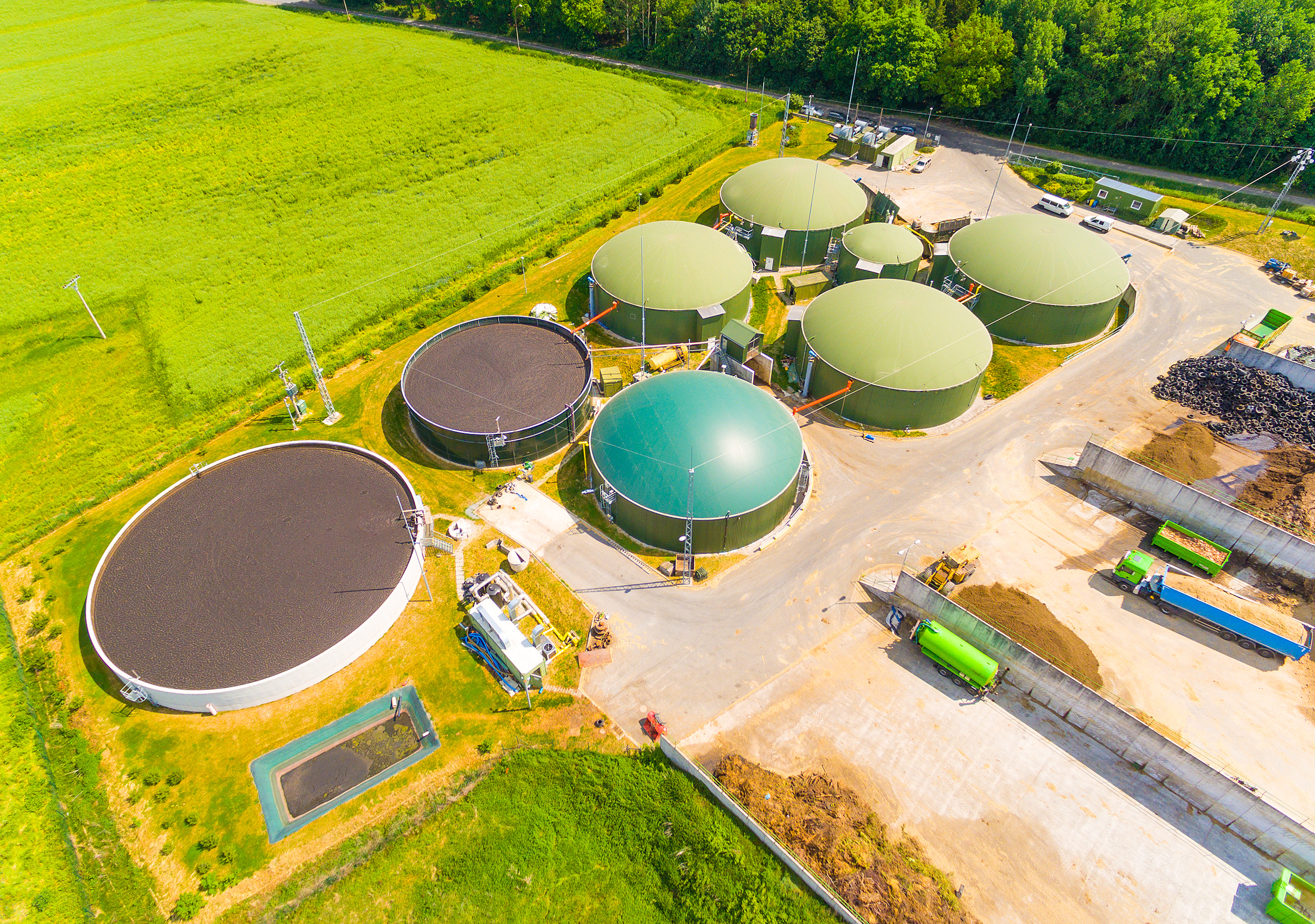
As part of this commitment, the much-anticipated Fishwater Flats Biogas Project is now underway. Once completed, the facility will convert wastewater sludge and organic waste into biogas, which will, in turn, generate electricity.
The project is being implemented in two phases. The first phase, currently in progress, is expected to be completed by the end of the year and will initially produce approximately 600 kilowatts of electricity. This phase will serve as a testing period while the Metro continues with the installation of the main infrastructure.
Upon completion of phase two, the facility is expected to generate 3 megawatts of electricity – enough to power just over 1000 households.
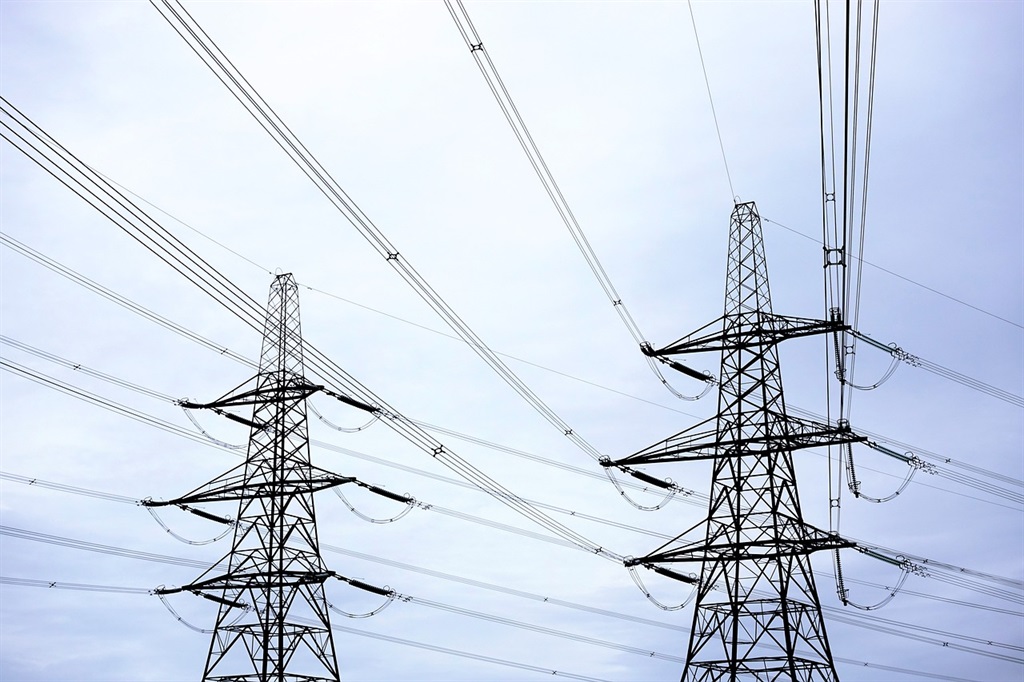
This initiative is part of the municipality’s broader strategy to create an energy-resilient metro by integrating alternative energy sources into the local grid. By leveraging biogas technology, the city is not only reducing its dependence on conventional electricity supply but also harnessing an environmentally friendly solution that lowers carbon emissions.
In addition to generating electricity, the facility will help reduce the volume of solid waste sent to landfill sites, as most of the sludge from the Fishwater Flats Wastewater Treatment Works (WWTW) will be repurposed in the process.
Nelson Mandela Bay currently produces 100 million litres of wastewater daily, with over 600 000 tons of waste disposed of annually at the Arlington and Koedoeskloof landfill sites.
The Nelson Mandela Bay Municipality’s Member of the Mayoral Committee (MMC) for Electricity and Energy, Councillor Ziyanda Mnqokoyi, recently visited the site to assess progress.
In a statement she said, “We are pleased that this long-awaited project has finally taken off. The refurbishment work at Fishwater Flats WWTW has allowed us to begin this critical initiative. As a city, we have a responsibility to build a resilient energy future by investing in a diverse energy mix. This includes solar energy, energy-efficient infrastructure, and now the biogas approach,” said MMC Mnqokoyi.
She added that she was encouraged by the project managers’ briefing, which indicated that the facility will be supplying electricity to the grid within the next two years. “We will be closely monitoring the progress of this facility, as we understand the significant role it plays in our journey towards energy security and sustainability,” MMC Mnqokoyi concluded.