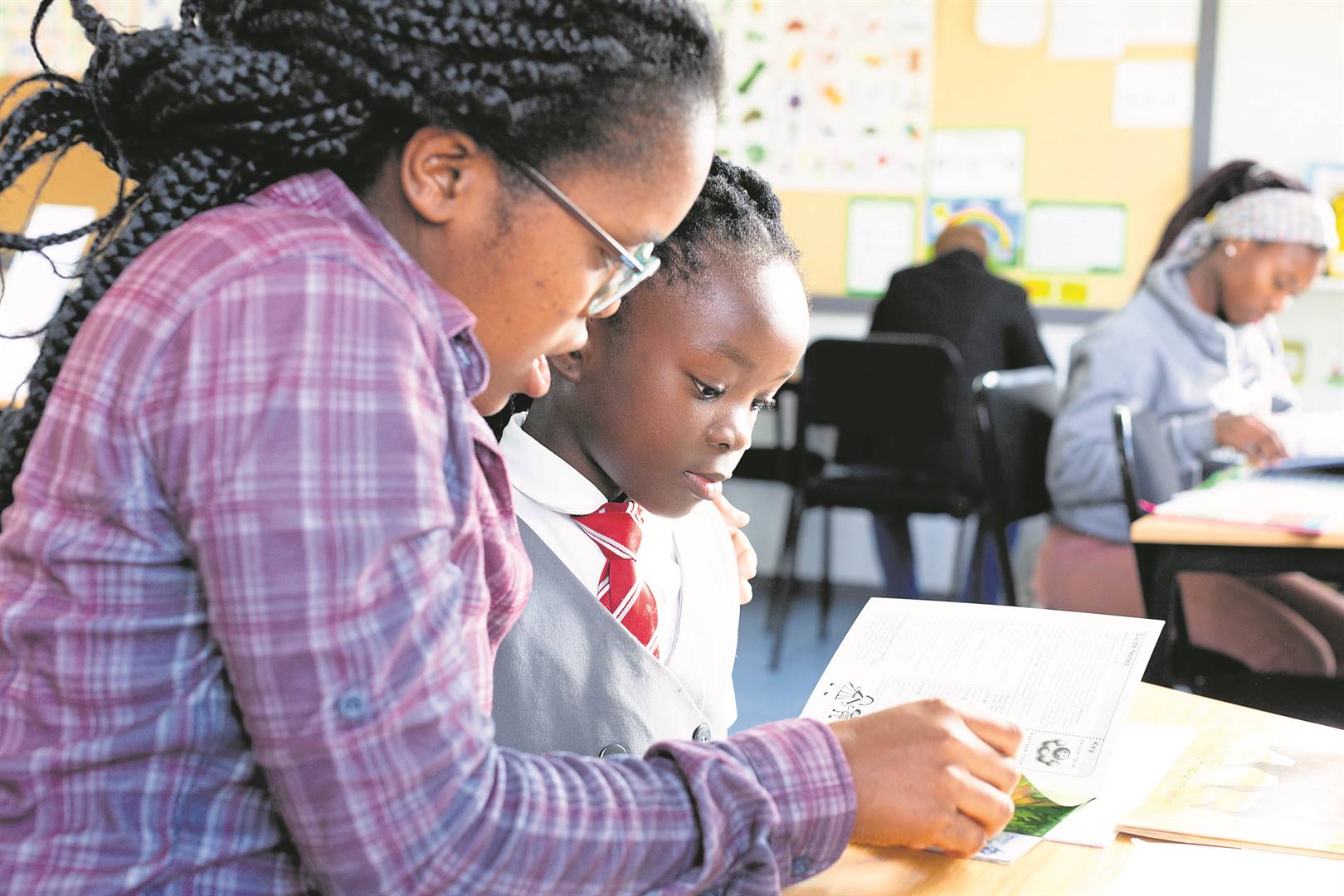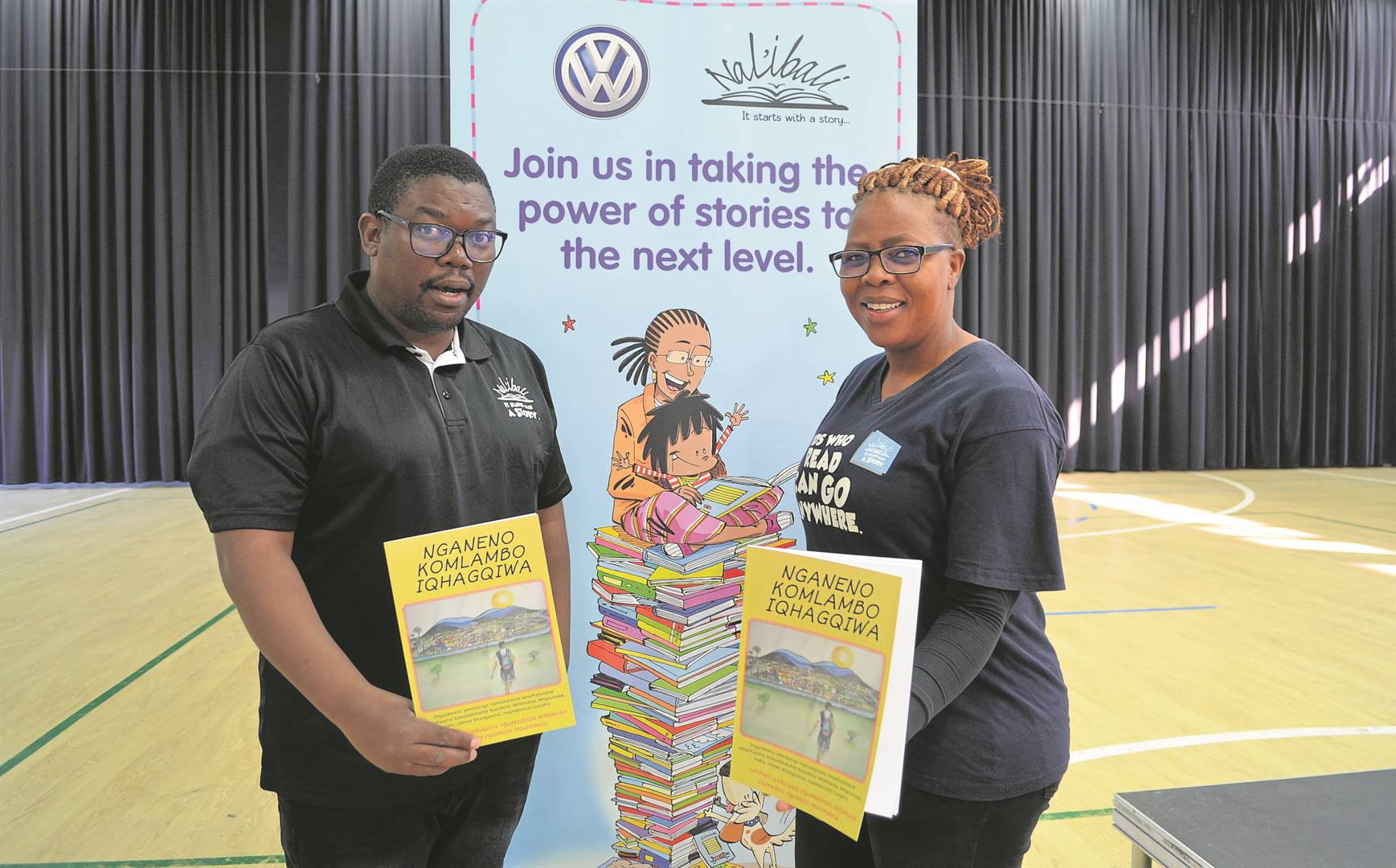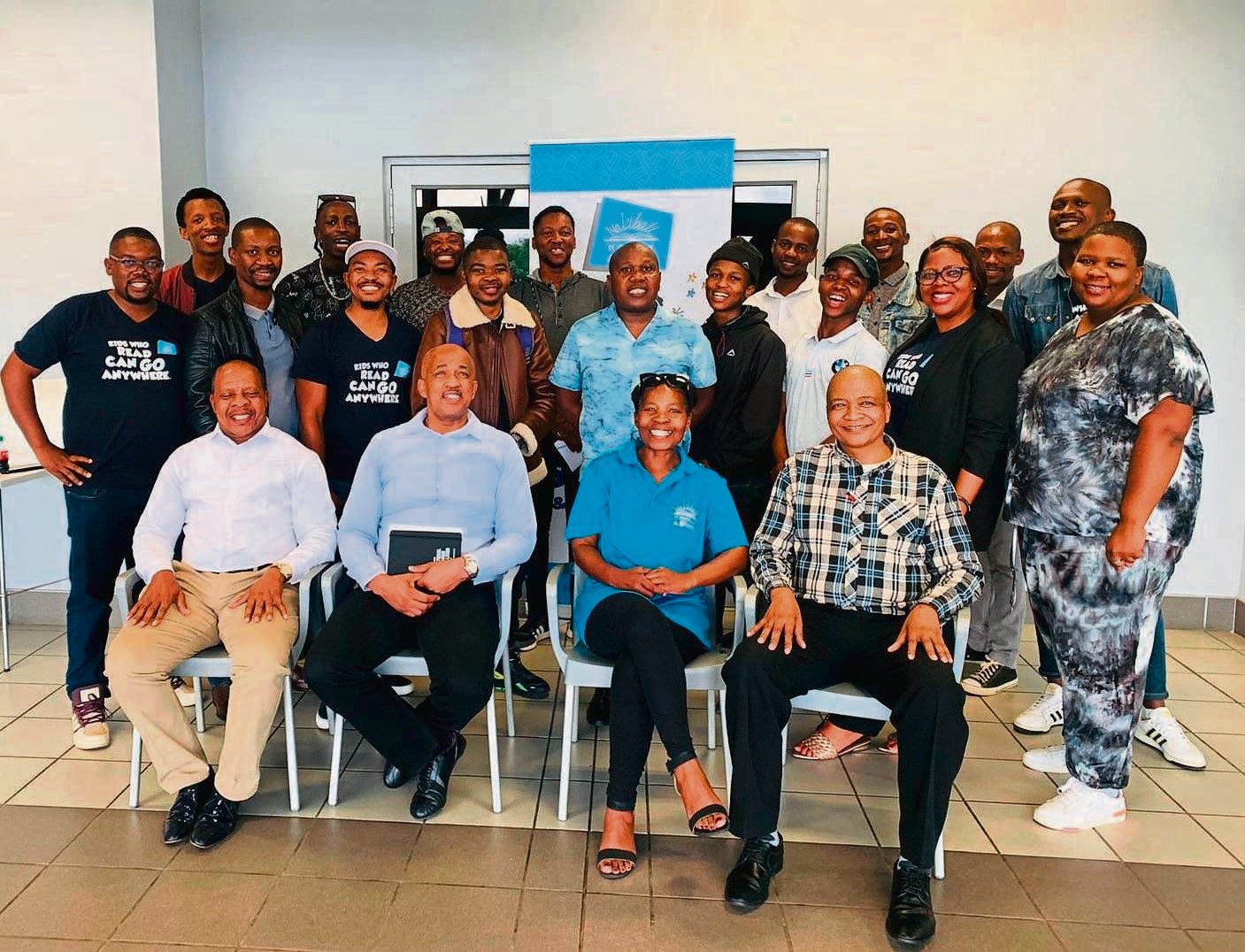
The Nal’ibali-VW Literacy Project team recently hosted the Nal’ibali Literacy Men’s Imbizo at the VW Pavilion in Kariega.
The event, aimed at encouraging men to become reading models for children, was attended by community members and partners such as the Eastern Cape Department of Education and Masifunde Changemaker Academy. Attendees received training on reading aloud, storytelling to children, and the importance of play-based learning activities.
Launched in May 2022, Nal’ibali’s Men’s Literacy Imbizo is the brainchild of like-minded men from KwaNobuhle township in Kariega. The initiative emerged from the #RealMenRead and #GetCaughtReading campaigns, highlighting the power of such movements in shaping social behaviour.
The Nal’ibali Men’s Literacy Imbizo aims to upskill men in the literacy space and create a network of individuals dedicated to fostering a culture of reading for enjoyment in their communities. This platform allows men to engage in discussions about their roles as reading models and share tips on growing as literacy activists.
Nal’ibali supports the Men’s Literacy Imbizo members through literacy training, events, and creating additional platforms for communication. The initiative has grown in numbers and has been featured at national literacy events such as the Litasa Conference. The success of the campaign led Mzwakhe Festile from the Eastern Cape Department of Education to share a testimonial about its positive impact on the reading culture in Kariega.
“The Men’s Literacy Imbizo was a dynamic gathering of men from diverse backgrounds committed to building a culture of reading for enjoyment and improving literacy in our schools and communities. The discussions were both informative and engaging, providing valuable insights into the challenges faced by young men. Witnessing a positive space where experiences and best practices were openly shared was heartening. The young men participating in the Imbizo demonstrated remarkable articulation. They reflected on the obstacles that contribute to poor academic performance in schools. Their ability to express themselves was commendable, especially considering their backgrounds in township communities.”
Festile concluded,