RESIDENTS and businesses in Nelson Mandela Bay must reduce their daily water consumption levels by at least 20% to urgently mitigate the risks posed by a third of the metropole potentially not having water in the coming weeks and months.

Nelson Mandela Bay Business Champer CEO, Denise van Huyssteen said this is a crisis and unless there is a major shift in daily water consumption patterns, the metropole will soon find itself running out of water which poses a danger not only to communities but also to the continuity of business operations.
“While many businesses are urgently investing in measures to develop alternative water supply and to reduce their water consumption levels, not all have the resources to do so and of concern, is how this further escalates the cost of doing business in this Metro,” said Van Huyssteen.
“Businesses need an enabling environment in which they can operate, requiring that the basics such as reliable water and electricity supply are in place.”
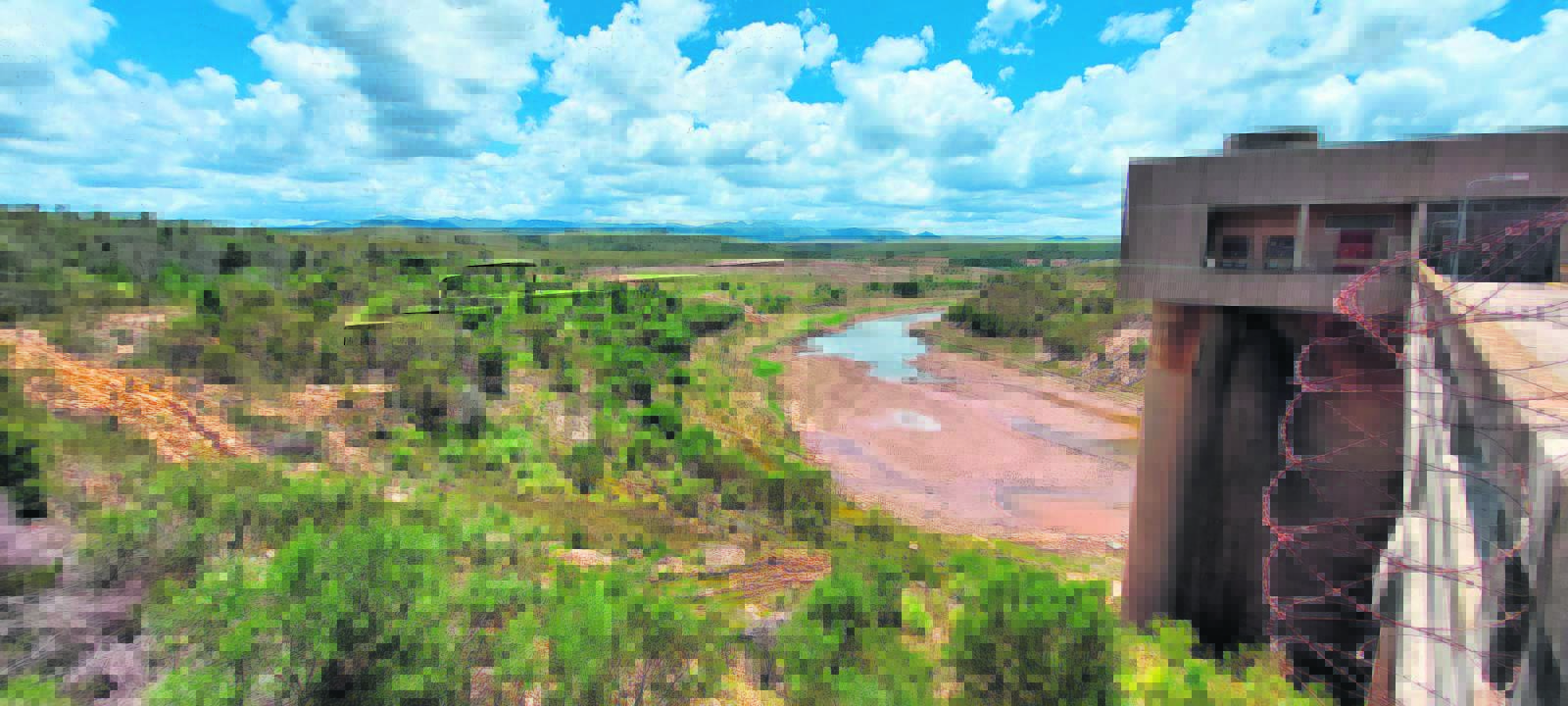
The Kouga Dam has now reached 4,2% and critically, extraction from this facility can only be done up to 3,5%. Projections are that KwaNobuhle will be the first area in the metropole to experience severe water shortages later this month, with key industrial and commercial areas, Kariega and several suburbs potentially following afterwards.
Drastically reduce water consumption
“These parts of the metropole are not inter-connected to the main infrastructure supply source which receives its water via the Nooitgedacht water scheme. Even though parts of the city will continue to have access to water, they are likely to be subjected to continual bouts of water shortages as water gets reallocated to support areas that are most in need,” said Van Huyssteen.
The crippling current state of water supply situation should spur all to drastically change their consumption patterns. Preserving water should be top priority in Nelson Mandela Bay while the municipality undertakes various water augmentation measures such as drilling boreholes and accelerating the construction of the bulk pipeline that will, later this year, link the Nooitgedacht water scheme to KwaNobuhle to mitigate the situation in that area.
The National Department of Water and Sanitation has allocated 250 Megalitres per day to the Metro but the current consumption trend averages 300 Ml per day.
By reducing daily consumption levels by 20%, this will lengthen the time water can continue to be supplied to the severely impacted areas.
35% of water lost through leaks
“Water leaks are responsible for 35% of the water which is lost in the Metro. We urge the relevant stakeholders to accelerate the pace of maintenance and repair programmes to reverse this unacceptable trend,” said Van Huyssteen.
Recently, the Nelson Mandela Bay Business Chamber initiated an Adopt a School programme which comprises representation across different business sectors and is aimed at reducing water losses in the Metro. To date eight companies in Nelson Mandela Bay have adopted 19 schools near their precincts as part of the Chamber’s water preservation effort to address the current water losses in the Metro.
It is vitally important that all the stakeholders, at a local, provincial, and national level collaborate to limit the severity of the impact of the water crisis on our local economy and communities.